Iran Open to Talks but Rejects ‘Imposition’ as Tensions with U.S. Persist
“The Islamic Republic has never shied away from negotiations… but we certainly do not accept imposition,” Ejei said in a video published by the judiciary’s Mizan Online website.
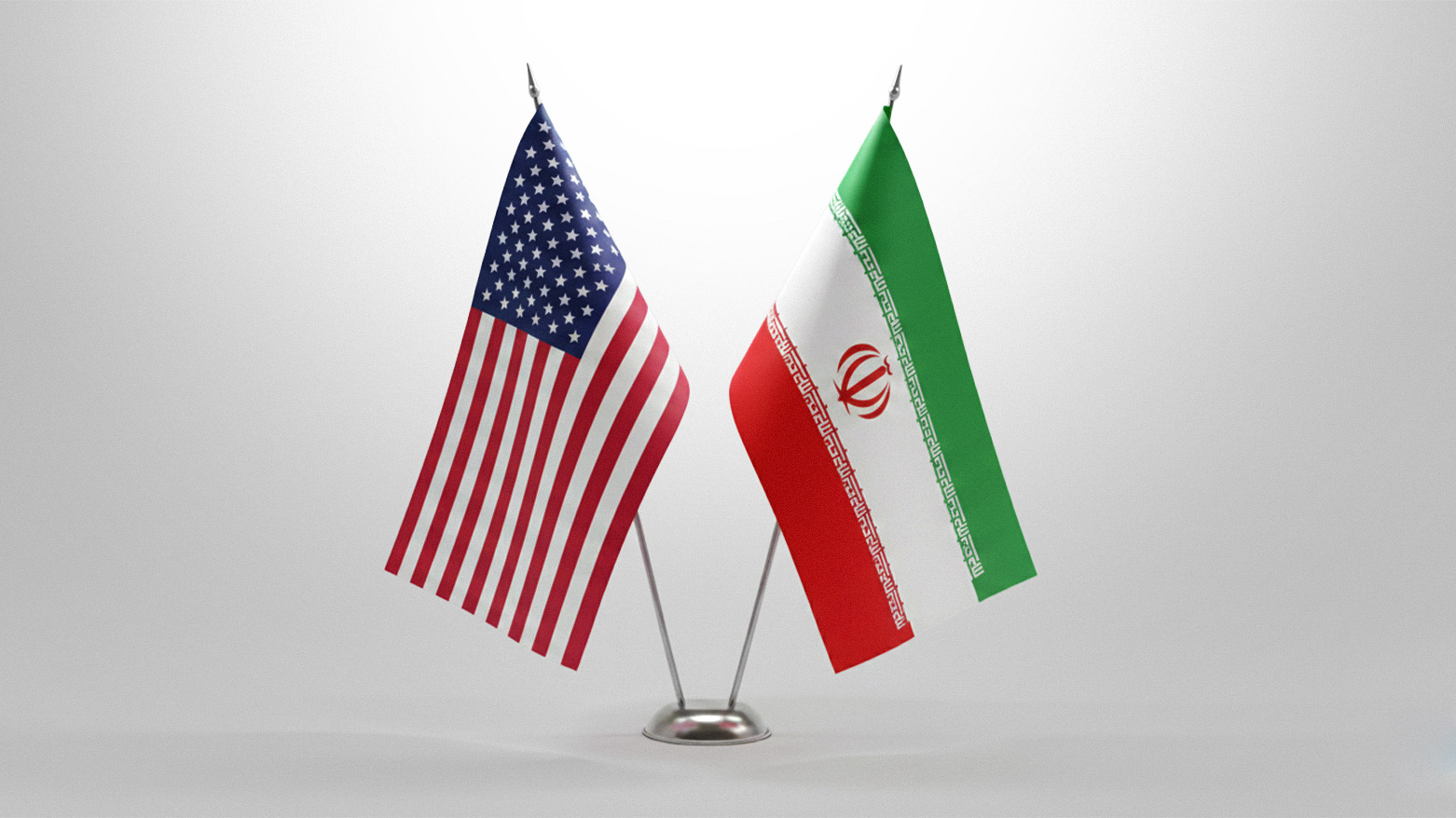
ERBIL (Kurdistan24) – Gholamhossein Mohseni Ejei, Iran’s judiciary chief, said Friday that Tehran remains open to negotiations with the United States but will not accept what he described as policy “imposition” under threat.
“The Islamic Republic has never shied away from negotiations… but we certainly do not accept imposition,” Ejei said in a video published by the judiciary’s Mizan Online website.
He emphasized that Iran does not seek conflict, stating, “We do not welcome war in any way; we do not want war, we do not want its continuation.” However, he stressed that Tehran would not compromise its principles to avoid or end hostilities, describing its adversary as a “malicious enemy.”
Iran and the United States have held only one round of talks following a fragile ceasefire that came after nearly 40 days of fighting, which began on February 28. Diplomatic efforts have since stalled amid escalating tensions.
Washington has imposed a naval blockade on Iranian ports, while Iran has restricted access through the strategic Strait of Hormuz, allowing only limited maritime traffic since the outbreak of the conflict.
According to a report by Axios, U.S. President Donald Trump is expected to receive a briefing from Admiral Brad Cooper, the head of US Central Command, on potential military options against Iran.
Meanwhile, Israeli Defense Minister Israel Katz warned that further military action against Iran could be imminent in order to achieve the war’s objectives.
Ejei maintained that the United States had achieved “nothing” during the conflict and reiterated that Iran would not “back down” in negotiations.
In a separate message on Thursday, Iran's supreme leader Mojtaba Khamenei said the United States had suffered a “disgraceful defeat” in the war, adding that Iran would continue to safeguard its nuclear and missile capabilities as part of its “national capital.”