Kurdistan Tourism Board Unveils Strategic Plan to Boost Sector Growth by 2030
Officials announce a 2030 roadmap approved by the Council of Ministers, focusing on infrastructure, natural attractions, and service quality to transform the Region into a key tourist destination
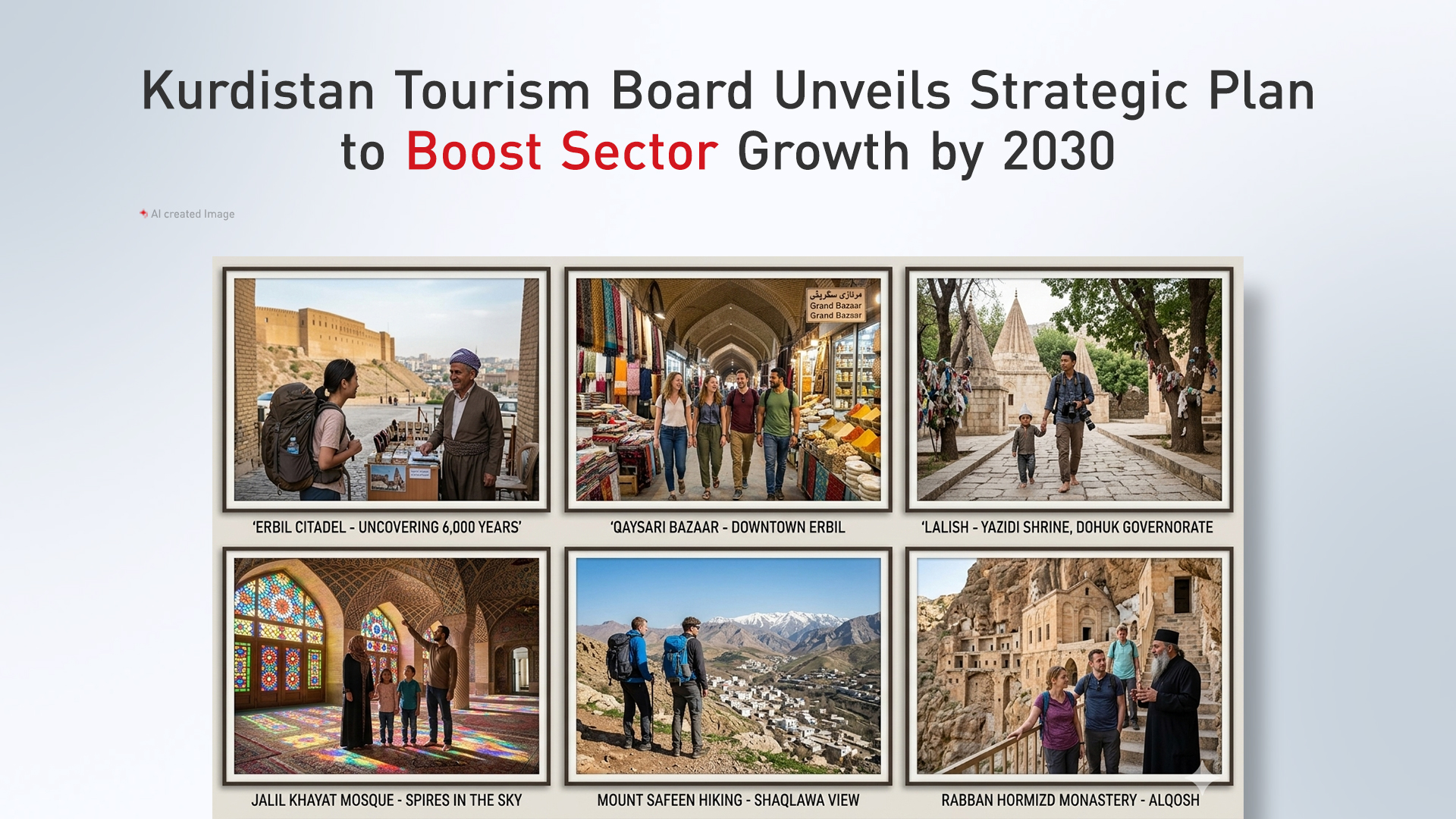
ERBIL (Kurdistan24) - The Kurdistan Region’s tourism authorities have announced a comprehensive long-term strategy aimed at transforming the sector, as officials highlight a surge in visitor numbers driven by nature conditions and infrastructure development.
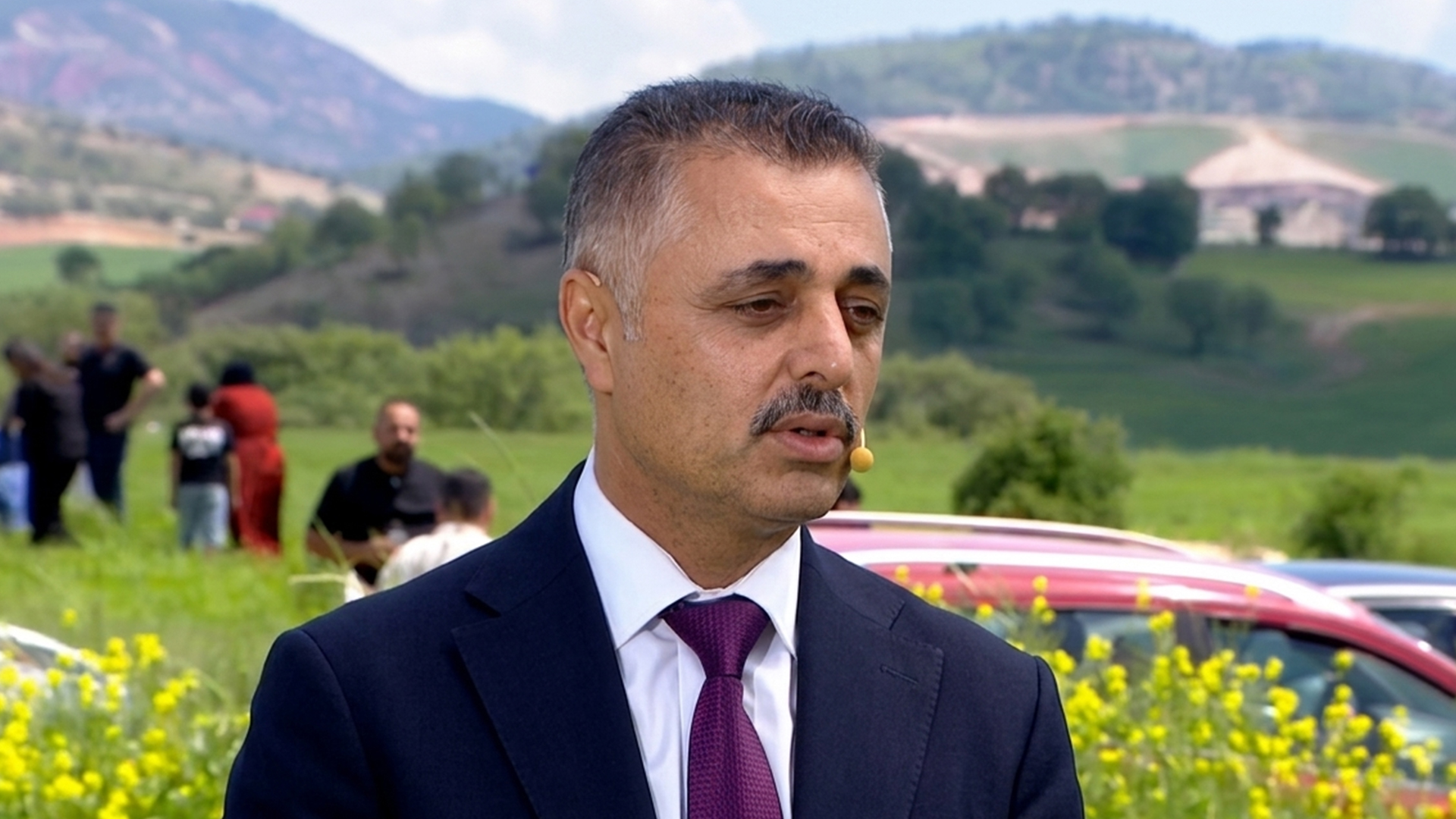
Sirwan Tawfiq, Director of Marketing at the Kurdistan Region Tourism Board, revealed that a structured strategic plan extending to 2030 has already received approval from the Council of Ministers, laying the groundwork for sustained tourism growth.
Speaking from Kurdistan24’s open studio near Gomaspan Dam on Friday, Tawfiq said the Region has witnessed “unprecedented natural growth” this year, attributing it to heavy rainfall and the construction of a series of dams across various areas.
He noted that these developments have significantly enhanced Kurdistan’s natural appeal, attracting increasing numbers of tourists.
As part of the plan, authorities aim to establish dedicated tourism cabins near major dams, allowing visitors easier access to services during recreational trips.
The initiative is designed to improve the overall tourist experience while capitalizing on the scenic landscapes surrounding water reservoirs.
Tawfiq acknowledged that the ongoing conflict involving Iran has had an impact on tourist inflows. However, he stressed that the Tourism Board remains committed to its strategy of welcoming as many visitors as possible, regardless of regional challenges.
The 2030 roadmap focuses on several key pillars, including improving service quality, strengthening human capacity, and expanding tourism infrastructure—particularly around key Sites such as Gomaspan Dam, which plays a vital role in both water preservation and tourism attraction.
He further emphasized that modern infrastructure—especially newly constructed roads and bridges developed under the ninth cabinet—has played a crucial role in facilitating travel and encouraging tourism across the Region.
In closing, Tawfiq called on both residents and visitors to help preserve Kurdistan’s environment by maintaining cleanliness and responsibly managing waste during their travels, underscoring the shared responsibility of protecting the Region’s natural beauty.