Kifri’s Cultural Heritage: Kurdistan Region Authorities Lead Restoration Drive in Garmian
Local authorities in Kifri have launched a 40-day restoration campaign to save the district’s vanishing architectural heritage. With only 15 of 60 historical houses remaining in Bawa Shaswar, teams are clearing years of waste to preserve the region's stone and mud structures for future tourism.
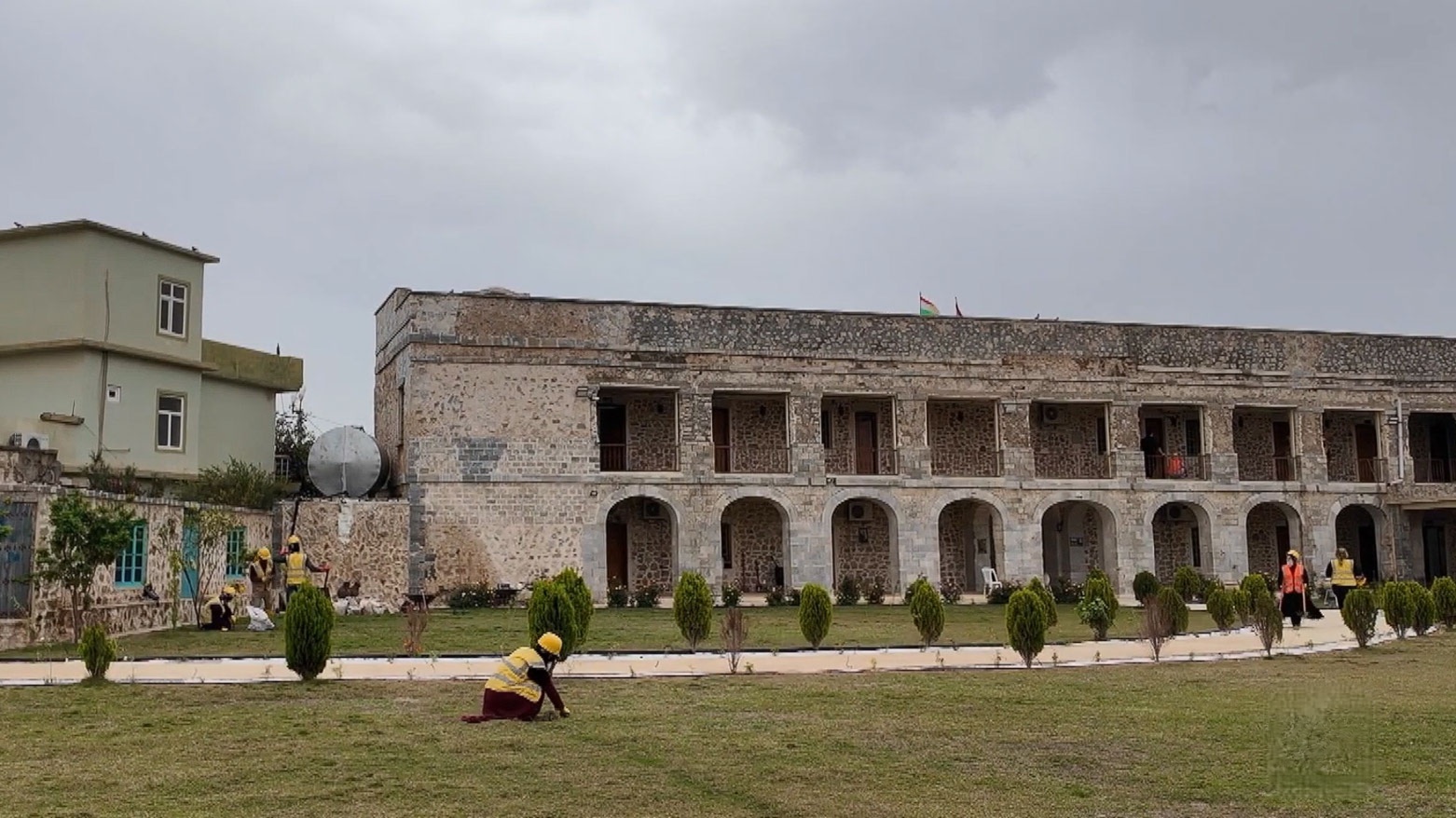
ERBIL (Kurdistan24) - In the Kifri district of the Garmian administration in Kurdistan Region, local teams are actively working to protect and reinvigorate the area’s valuable architectural heritage. Facing the accumulated effects of years of neglect, this determined campaign underscores the commitment of Kurdistan Region governance structures to preserving cultural identity, maintaining historical continuity, and developing tourism potential in secondary districts.
The 40-day intensive campaign represents a significant local initiative to clean and restore key archaeological sites. It demonstrates the proactive approach of the Kifri Antiquities Directorate and Garmian administration in addressing heritage challenges despite resource constraints.
Over 40 continuous days, six labor groups have been deployed across Kifri’s archaeological monuments.
Supervisor Abdul Karim Ramadan described the scale of the work on Tuesday, saying, “Our six groups are distributed across various archaeological monuments in the city to restore them and clean them of the severe damage they have sustained.”
Ramadan noted the teams’ strenuous efforts in “removing soil and waste accumulated for years,” while stressing the need for authorities to follow cleaning with proper maintenance procedures.
The campaign has focused particularly on the Bawa Shaswar neighborhood, which has suffered substantial losses.
Obeid Mohammed, Director of Kifri Antiquities, on Tuesday reported that the number of heritage houses there has decreased from around 60 to only 15. These traditional structures, built using stone, mud, and the distinctive local gypsum for which Kifri is known, embody centuries of the region’s architectural history.
Within the Kurdistan Region’s sub-national governance framework, district antiquities directorates such as Kifri’s play a key role in site protection and initial restoration under the Garmian administration. While major funding decisions often involve higher levels, local authorities have moved forward with this on-the-ground campaign to arrest further deterioration.
What appears as a cleaning campaign is, in effect, an effort to delay structural cultural erosion.
This situation highlights the institutional challenges in balancing heritage preservation with limited budgets.
Yet it also showcases the resilience of local governance in the Kurdistan Region, where officials and workers are taking visible steps to repair and maintain sites despite the difficulties posed by resource asymmetry and governance coordination requirements.
From the local perspective, the campaign illustrates ongoing commitment.
Workers and supervisors have shown dedication through sustained labor, while Obeid Mohammed and others have publicly recognized the deterioration and issued clear calls for urgent budget allocation to enable comprehensive restoration.
These actions reflect a responsible approach by Garmian and Kifri authorities to safeguarding the region’s historical memory and identity.
On the ground, the labor groups have been methodically clearing layers of soil and waste that built up over years around the remaining heritage houses in Bawa Shaswar.
This hands-on work is helping to stabilize and reinvigorate what remains of the traditional neighborhood, where stone and mud constructions once formed a more extensive architectural ensemble.
Looking ahead, continued local efforts combined with secured restoration funding could significantly strengthen Kifri’s heritage sites.
This would not only prevent further losses but also support the development of cultural tourism, reinforcing the area’s contribution to the broader heritage landscape of the Kurdistan Region.
Short-term cleaning campaigns, while valuable as immediate interventions, point to the need for more sustained frameworks to fully repair and maintain these important assets.
In Kifri, the ongoing campaign exemplifies how local governance in the Kurdistan Region is actively engaging with the structural tensions of heritage preservation, working within existing limits to protect material history for future generations.
Kurdistan24 correspondent Harem Jaf contributed to this report.