Iran Calls U.S. Oil Seizures 'State Piracy' as Gulf Crisis Deepens
Iran accuses U.S. of “piracy” over oil tanker seizures, as maritime tensions, sanctions threats, and stalled diplomacy deepen the regional standoff.
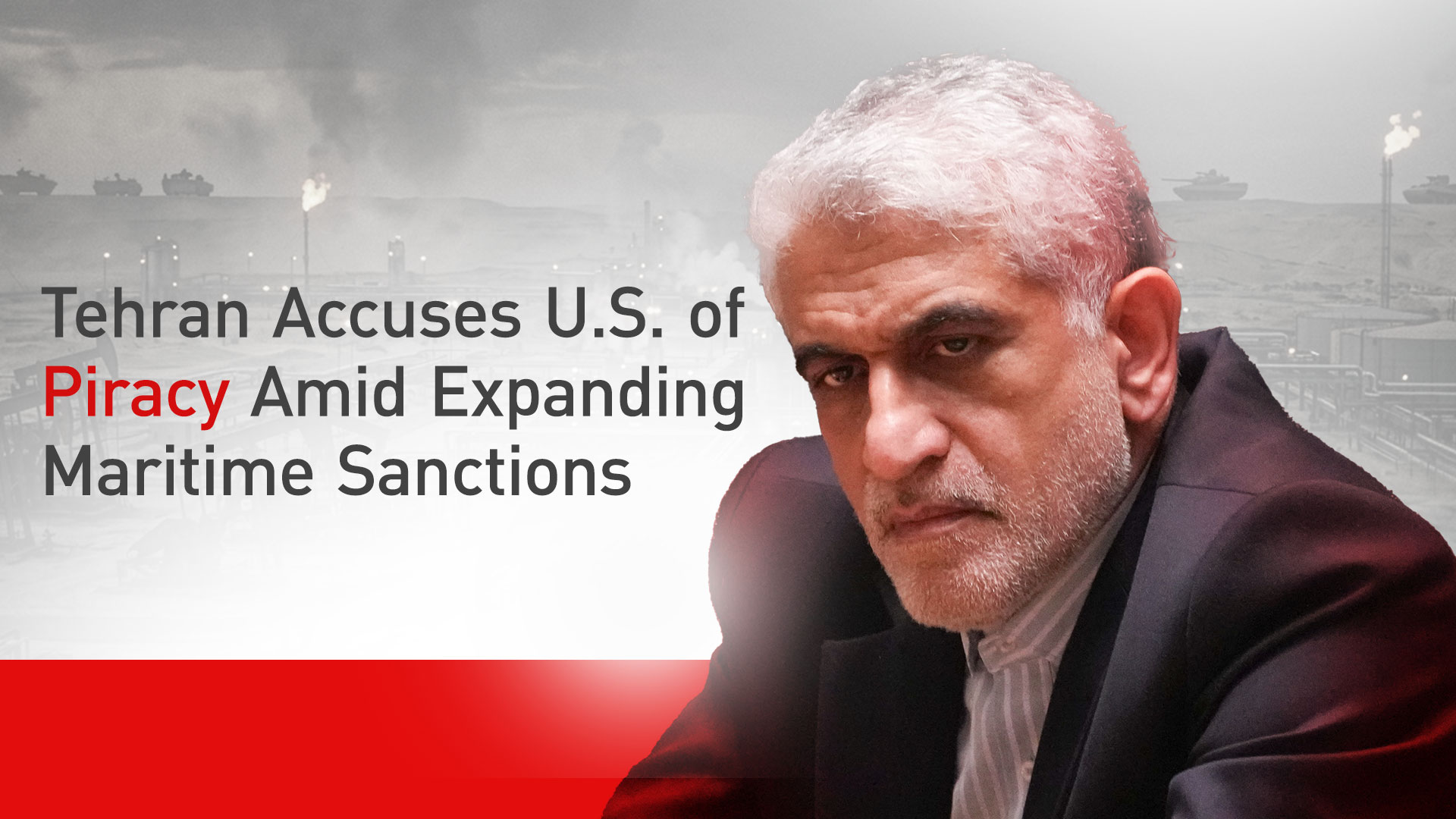
ERBIL (Kurdistan24) - Amir Saeid Iravani, Iran's Permanent Representative to the United Nations, stated that U.S. soldiers "acted like pirates" during the recent seizure of Iranian oil tankers, an incident he characterized as state-sanctioned piracy.
In a formal letter addressed to the United Nations Security Council, Iravani described the American military action as an "act of aggression" involving the alleged theft of 3.8 million barrels of Iranian crude oil.
The Iranian envoy asserted that the seizure constitutes a "blatant violation" of Article 2, Paragraph 4 of the United Nations Charter, which prohibits the threat or use of force against the territorial integrity or political independence of any state.
Consequently, Tehran has called upon the Security Council to intervene and stated that it retains the right under international law to respond to these actions.
The statement follows remarks made by U.S. President Donald Trump during an address to the Forum Club in West Palm Beach, Florida.
Discussing the confiscation of two tankers, the Majestic and the Tiffany, the president acknowledged the lucrative nature of the operation, stating that the United States had seized both the vessels and their cargo.
"We took over the ship, we took over the cargo, we took over the oil. It's a very profitable business," Trump said in remarks on Friday evening, as cited in a Reuters report. "We're like pirates. We're sort of like pirates but we are not playing games."
Maritime Standoff and Sanctions Warnings
The exchange over the oil seizures occurs amid a volatile maritime environment in the Persian Gulf.
According to The Associated Press, the United States has issued warnings to global shipping firms regarding the potential for sanctions if they comply with Iranian demands for "tolls" to ensure safe passage through the Strait of Hormuz.
The U.S. Office of Foreign Assets Control (OFAC) released an alert on Friday, AP reported, stating that companies paying the Iranian government for transit could face significant penalties.
This warning applies regardless of whether payments are made via cash, digital assets, or informal swaps.
In reporting by the Associated Press, it was noted that about 20% of the world's oil and natural gas trade typically transits the strait, which has been a flashpoint since the outbreak of hostilities on February 28.
Associated Press journalists reported that Iran has effectively obstructed normal traffic through the waterway, occasionally offering detour routes closer to its shoreline in exchange for fees.
In response, the United States established a naval blockade on April 13 to prevent Iranian tankers from exporting oil.
As detailed by AP, U.S. Central Command has confirmed that 45 commercial vessels have been intercepted and turned back since the blockade's inception.
Diplomatic Impasse and War Negotiations
While maritime tensions escalate, diplomatic efforts to resolve the broader conflict remain stalled. President Trump recently dismissed Iran's latest peace proposal, which was reportedly delivered through mediators in Pakistan.
"They want to make a deal, I'm not satisfied with it," Trump said on Friday, according to The Associated Press.
While the president did not specify the exact reasons for the rejection, he characterized the Iranian leadership as "disjointed" and "fractured."
Despite a fragile three-week ceasefire, AP reported that Trump described the U.S. as having two primary paths: pursuing a deal or resuming large-scale military strikes to "finish them forever."
On the diplomatic front, Iranian Foreign Minister Abbas Araghchi has been engaging with regional and international counterparts.
The Associated Press reported that Araghchi held discussions with officials from Türkiye, Saudi Arabia, Iraq, and the European Union to brief them on Tehran's initiatives to end the war.
EU foreign policy chief Kaja Kallas also confirmed talks with Araghchi concerning long-term security arrangements and the reopening of the Strait of Hormuz.
Broader Regional Instability
The ongoing standoff continues to impact the global economy and regional security.
In reporting by the Associated Press, Chinese Ambassador to the UN Fu Cong urged both sides to resume good-faith negotiations, labeling the U.S.-led military actions as the root cause of the current turmoil.
The human cost of the conflict also remains a central concern.
As detailed by AP, 14 members of the Iranian Revolutionary Guard were killed on Friday by unexploded ordnance, including cluster bombs and air mines, near the city of Zanjan.
This incident represents the highest casualty count for Iranian security forces since the April 7 ceasefire began.
Furthermore, the conflict has resulted in the deaths of over 3,375 people in Iran and 2,600 in Lebanon since February, AP reported, alongside casualties in Israel and several Gulf Arab states.
The situation remains high-pressure as the international community monitors whether the current ceasefire can withstand the combined strain of economic blockades, allegations of state piracy, and the rejection of diplomatic proposals.