KRG Allocates 4 billion Dinars to Support Hajj Season
KRG allocated 4 billion dinars to support Hajj pilgrims, reflecting broader policies of coexistence and religious diversity in the region
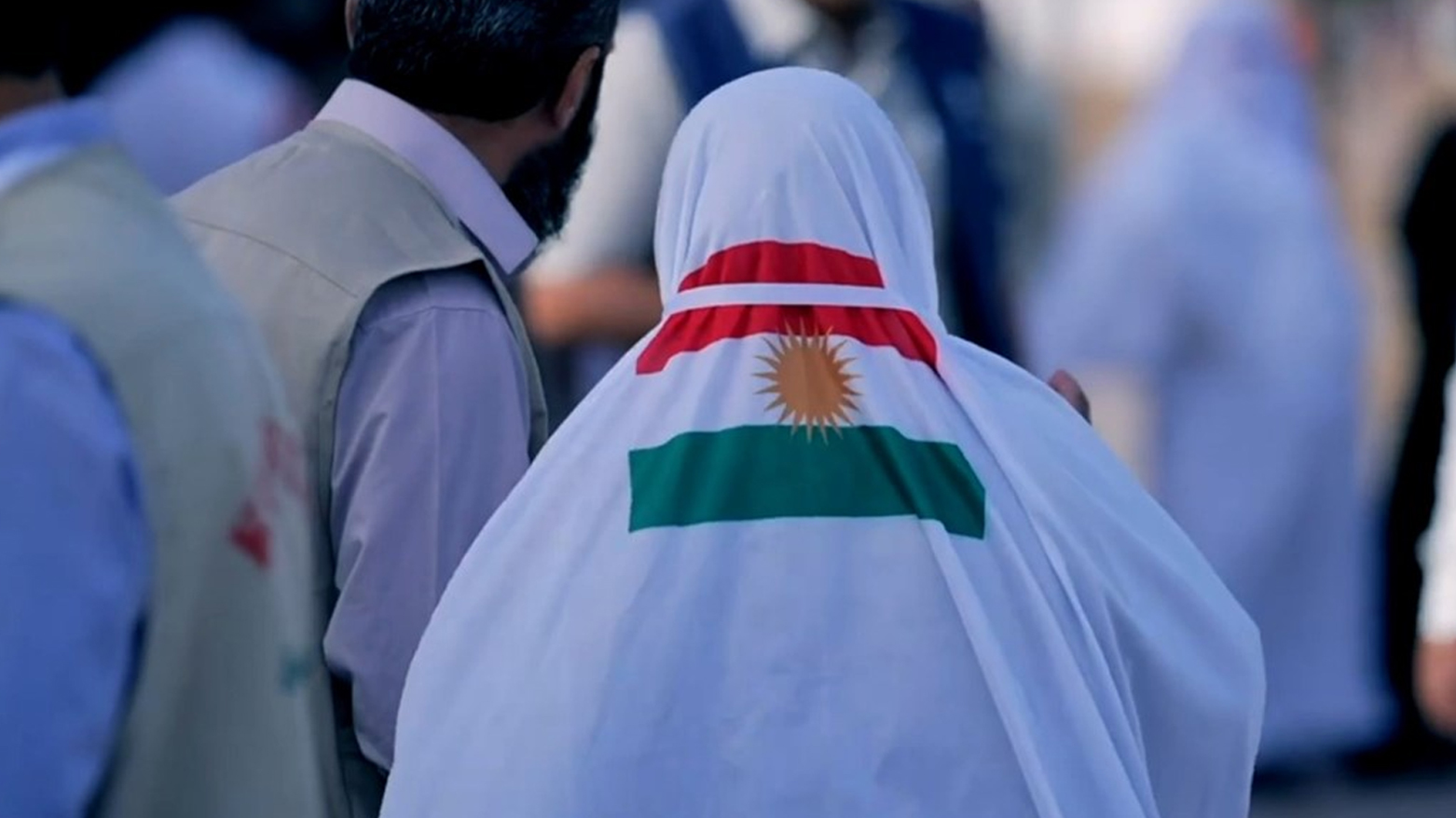
ERBIL (Kurdistan24) - The Kurdistan Region's Government (KRG) said on Sunday that it has allocated 4 billion Iraqi dinars to support pilgrims during this year's Hajj season, as more than 5,120 citizens from the Kurdistan Region prepare to perform the pilgrimage.
The Hajj season is set to begin on May 7, with the first flights departing from both Erbil and Sulaimani international airports.
According to the Kurdistan Region Government announcement, the entire transportation process will be carried out exclusively by air this year, with all pilgrims expected to arrive in Saudi Arabia within five days.
To ensure smooth operations and comprehensive services, the KRG has deployed a specialized team of 108 staff members, including medical personnel, administrative workers, and service teams overseeing food, transportation, and coordination throughout the journey.
Officials said the team will accompany pilgrims across all stages to ensure safety, health, and comfort.
As part of efforts to reduce the financial burden on citizens, the KRG allocated 4 billion dinars in subsidies for the Hajj season, contributing to lowering the overall cost for each pilgrim.
The support for Hajj reflects a broader policy framework in the Kurdistan Region that emphasizes religious freedom, coexistence, and respect for diversity.
The Kurdistan Region is home to a wide range of communities, including Muslims, Christians, Yazidis, and other religious and ethnic groups, all of whom practice their traditions with relative freedom compared to many parts of the wider Middle East.
This diversity is reflected not only in daily life but also in the region's institutional and political framework, where minority rights are formally recognized and protected.
Churches, mosques, and temples operate openly, religious holidays are observed, and communities are able to maintain their cultural and spiritual traditions without major restrictions.
Over the past two decades, the Kurdistan Region has also played a significant role as a place of refuge for displaced populations, particularly during periods of instability in Iraq.
Following the rise of ISIS in 2014, hundreds of thousands of Yazidis, Christians, and other minorities fled to the region, where they received shelter, security, and humanitarian support.
This experience further reinforced the government's emphasis on coexistence, tolerance, and social stability, shaping policies that continue to support religious practice and community diversity today.
Government institutions have historically facilitated religious practices across communities, whether through supporting Islamic pilgrimages like Hajj, assisting Christian delegations visiting holy sites, or helping Yazidi communities maintain religious ceremonies.
Since the establishment of the Kurdistan Region's autonomous administration in the early 1990s, authorities have consistently promoted a model of coexistence rooted in pluralism and tolerance.
Following the fall of the Iraqi regime in 2003 and especially after the rise of ISIS in 2014, the Kurdistan Region became a safe haven for hundreds of thousands of displaced people, including religious minorities fleeing violence in other parts of Iraq.
This experience helped shape the region's governance approach, reinforcing policies centered on coexistence, religious freedom, and equal support for all communities.
In this context, the government's facilitation and financial support for the Hajj pilgrimage reflects a broader commitment to enabling citizens to freely practice their religious obligations.
This legacy has reinforced Kurdistan's image as a stable and inclusive environment, where government policies often aim to balance governance with social cohesion and respect for cultural diversity.
The KRG's support for this year's Hajj season highlights not only logistical and financial commitment but also reflects a broader tradition of coexistence and inclusivity that continues to shape the Kurdistan Region's identity.
Edited by Kamaran Aziz.