CENTCOM Denies Iranian Claim of Missile Strike on US Warship
U.S. Central Command denied Iran’s missile strike claim on Monday as a series of confirmed incidents since February highlight escalating tensions in the Gulf
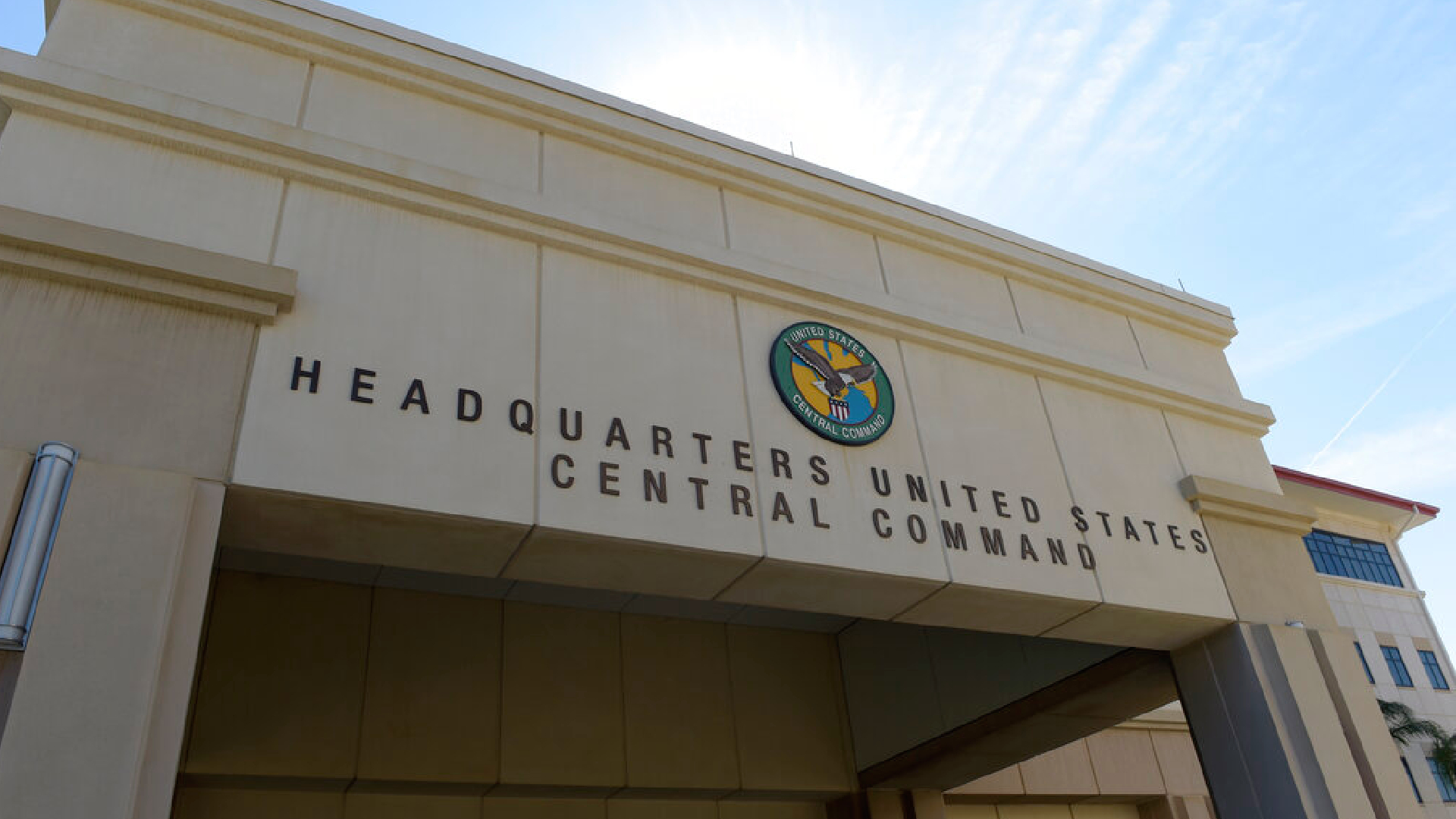
ERBIL (Kurdistan 24) - US Central Command said that no U.S. Navy vessels have been struck, rejecting claims by Iranian state media that two missiles hit an American warship.
“Iranian state media claims that Iran's Islamic Revolutionary Guard Corps hit a U.S. warship with two missiles,” CENTCOM said in an official X post, adding: “No U.S. Navy ships have been struck.”
Earlier the same day, Fars News Agency, Iranian State Media, reported that the IRGC had targeted a U.S. warship in the Strait of Hormuz, a claim not independently verified and denied by U.S. officials.
CENTCOM emphasized that U.S. forces remain fully operational and continue enforcing the naval blockade on Iranian ports, while supporting maritime security operations under what U.S. officials have described as “Project Freedom,” announced on Sunday.
The latest exchange comes amid a broader conflict that began on February 28, when U.S. and Israeli strikes on Iranian targets triggered a regional escalation, according to multiple international media reports at the time.
On April 13, the United States formally imposed a naval blockade on Iranian ports, a move confirmed in Pentagon briefings and reported by outlets including The Hill and Axios.
Iran responded in mid-April by restricting commercial navigation through the Strait of Hormuz, escalating tensions in one of the world’s most critical energy corridors.
On April 19, U.S. forces intercepted an Iranian-linked vessel after it ignored warnings for approximately six hours, according to a Pentagon briefing by Dan Caine. The incident involved warning shots fired by a U.S. destroyer before Marines boarded the vessel. On Monday, CENTCOM confirmed the transfer of 22 crew members from the seized vessel to Pakistan as part of a confidence-building measure, in coordination with regional actors, and reported by ABC News. Throughout late April and early May, CENTCOM reported multiple maritime enforcement actions tied to blockade operations, though not all incidents were publicly detailed.
According to recent reporting by The Hill, the Pentagon estimates that the blockade has already cost Iran approximately $4.8 billion in oil revenue, underscoring the economic dimension of the confrontation.
At the same time, U.S. officials confirmed continued military planning. In late April, President Donald Trump was briefed by Brad Cooper and Dan Caine on potential military options, according to U.S. media reports.
Efforts to de-escalate tensions have included talks mediated by Pakistan, with initial rounds held in Islamabad in mid-April 2026, though negotiations have so far failed to produce a breakthrough.
Both Washington and Tehran have continued to combine military pressure with diplomatic messaging, reflecting a dual-track strategy.
The conflicting claims between Iranian media and U.S. officials highlight an intensifying information war, where both sides seek to shape narratives of strength and control.
Analysts warn that the risk of miscalculation remains high, particularly in the Strait of Hormuz, where dense military presence and commercial traffic increase the probability of unintended escalation.
CENTCOM’s denial, backed by real-time operational reporting on Monday, underscores the volatile and contested nature of the current crisis, as the United States and Iran continue a high-stakes standoff combining military action, economic pressure, and strategic communication.