Oil Prices Extend Losses as Markets Await Progress on Middle East Peace Plan
After plunging more than 10 percent on Wednesday amid optimism over possible peace negotiations, crude futures dropped nearly another four percent on Thursday.
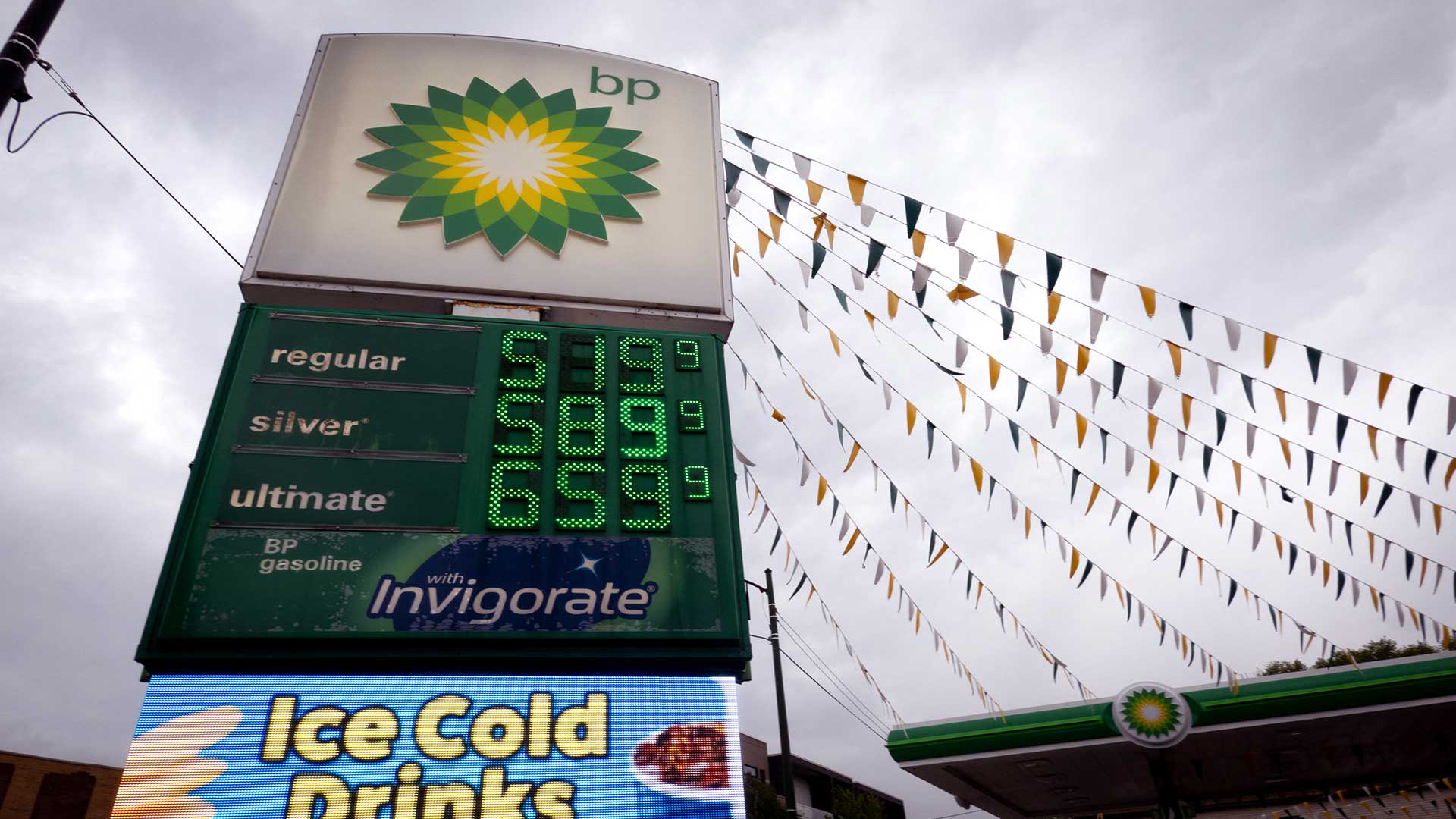
ERBIL (Kurdistan24) – Oil prices fell on Thursday while global stock markets traded mixed as investors awaited further developments on a United States proposal aimed at ending the Middle East conflict and reopening the strategically vital Strait of Hormuz.
After plunging more than 10 percent on Wednesday amid optimism over possible peace negotiations, crude futures dropped nearly another four percent on Thursday. International benchmark Brent Crude fell back below $100 per barrel as traders weighed the prospects of de-escalation in the region.
European stock markets retreated following strong gains in the previous session, while major Asian markets advanced. Tokyo’s stock market surged 5.6 percent, largely reflecting the resumption of trading after Japan’s public holidays earlier this week.
Analysts said market enthusiasm had eased as investors recognized that significant obstacles remain before a lasting settlement can be reached.
“The wild streak of enthusiasm which hit markets amid hopes for a major de-escalation in the Iran conflict is tempering,” said Susannah Streeter, chief investment strategist at Wealth Club.
“There’s a realization that there are more hurdles to climb for a longer-term resolution to be agreed, even though Iran is reported to be studying a US peace proposal aimed at formally ending the conflict,” she added.
US President Donald Trump said an agreement could be close following what he described as positive talks, while Iran indicated it would communicate its latest position to mediator Pakistan.
The conflict, launched by the United States and Israel in late February, has triggered Iranian attacks across the Middle East and led Tehran to impose restrictions on shipping through the Strait of Hormuz, a key gateway for Gulf oil and gas exports and one of the world’s most important trade routes.
In currency markets, the US dollar weakened slightly as safe-haven demand eased. Investors in Tokyo were also closely monitoring the Japanese yen amid speculation the Japanese government could intervene to support the struggling currency.
Meanwhile, Norway’s central bank raised its benchmark interest rate by a quarter percentage point to 4.25 percent, warning that the Middle East conflict could further intensify already high inflationary pressures.
“Inflation is too high and has run above target for several years,” Norges Bank Governor Ida Wolden Bache said in a statement.