First Tanker Through Hormuz Since Iran Closure Arrives in South Korea
The Malta-flagged vessel Odessa, carrying one million barrels of crude oil, arrived near a mooring facility off the coast of Seosan at around 10:00 a.m. local time.
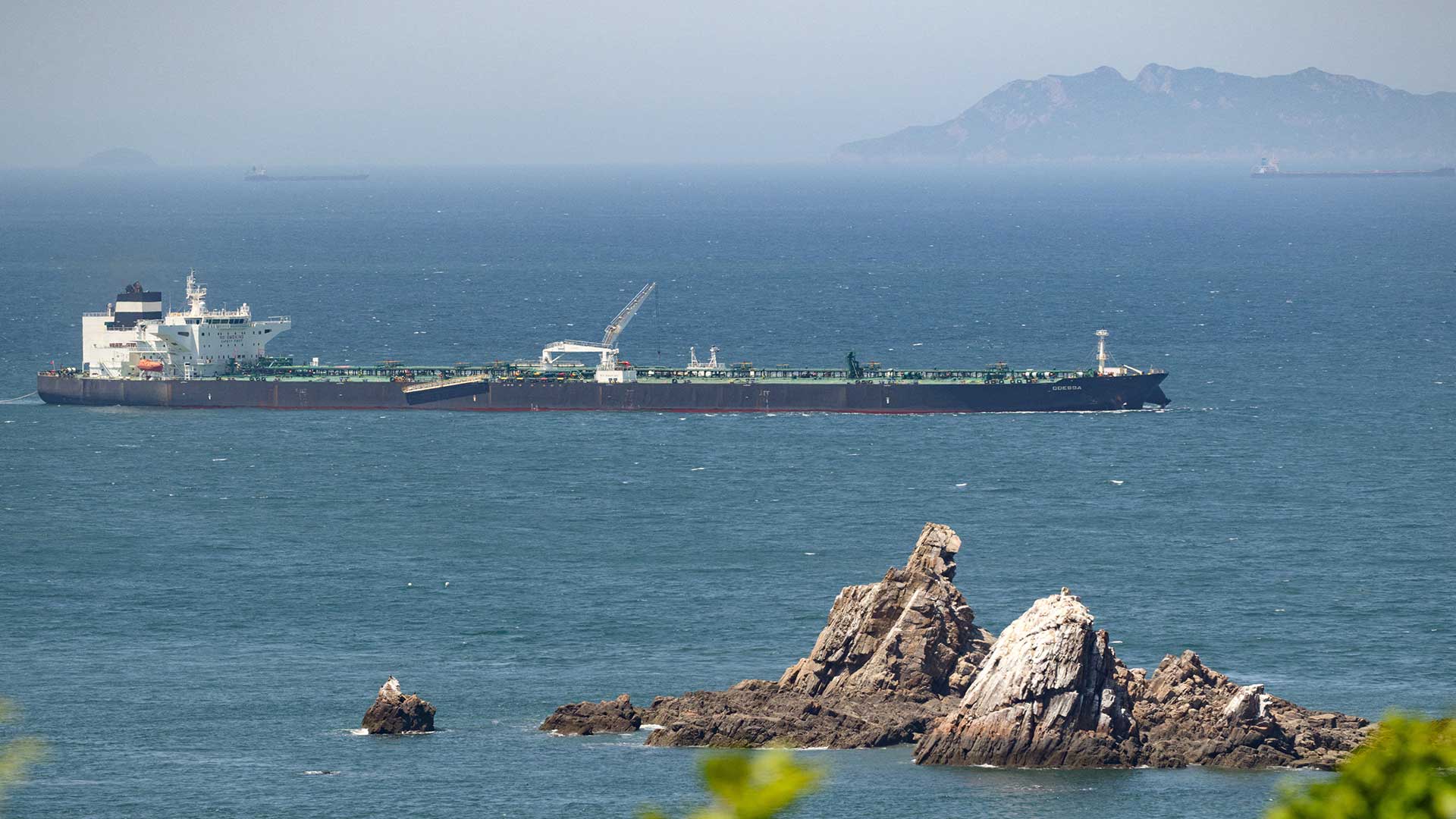
ERBIL (Kurdistan24) – An oil tanker that transited the Strait of Hormuz arrived in South Korea on Friday, marking the first such shipment to reach the country since Iran declared the strategic waterway closed amid escalating regional conflict.
The Malta-flagged vessel Odessa, carrying one million barrels of crude oil, arrived near a mooring facility off the coast of Seosan at around 10:00 a.m. local time.
South Korea depends heavily on Middle Eastern crude imports, much of which normally passes through the Strait of Hormuz. Tehran effectively shut the route after US-Israeli strikes on Iran in late February triggered a wider regional confrontation.
Industry sources told AFP the tanker’s cargo amounts to nearly half of South Korea’s daily oil consumption and is expected to help stabilize domestic supply concerns. The crude will be refined into petroleum products, including gasoline and diesel, before entering the market.
A source familiar with the shipment said the Odessa passed through the Strait of Hormuz on April 17 during a temporary easing of the blockade.
Shipping traffic through the narrow waterway has sharply declined since the conflict erupted. Tensions escalated again on Thursday after US and Iranian forces exchanged fire in the Strait of Hormuz, raising concerns that a fragile ceasefire could collapse.
The prolonged crisis has forced South Korea — one of the world’s leading petrochemical producers and refiners — to introduce a fuel price cap for the first time in nearly three decades.
Seoul has also accelerated efforts to diversify energy imports, securing more than 270 million barrels of crude oil through routes not affected by the Hormuz blockade, enough to cover over three months of national demand.
Meanwhile, UN International Maritime Organization Secretary-General Arsenio Dominguez said Thursday that around 1,500 ships and 20,000 international crew members remain stranded in the Gulf region because of the conflict.