Natural History Broadcaster David Attenborough Celebrates 100th Birthday
The legendary broadcaster celebrates a century of bringing the natural world to global audiences.
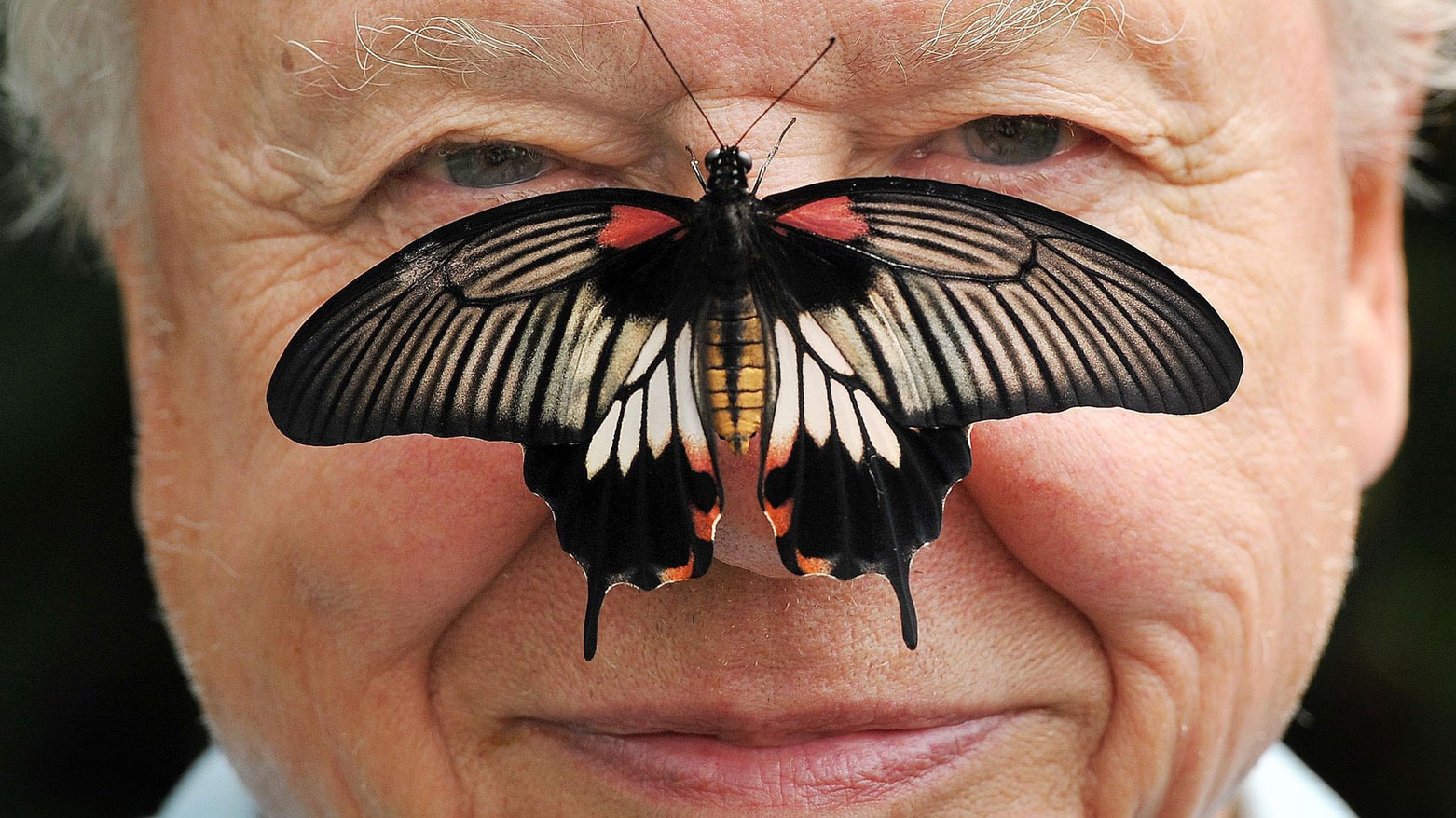
ERBIL (Kurdistan24) - David Attenborough, the globally recognized natural history broadcaster, reached his 100th birthday on Friday, marking a century of life and a career that fundamentally reshaped public engagement with the natural world.
According to a report by The Associated Press, the milestone was celebrated across the United Kingdom, with the BBC organizing a dedicated event at the Royal Albert Hall and cinemas screening his expansive catalog of nature documentaries.
Despite the international accolades from scientists, politicians, and conservationists, the report noted that the renowned presenter historically prefers to avoid personal fame.
Alastair Fothergill, a producer who has worked extensively on Attenborough’s documentaries, told the AP that the broadcaster has consistently maintained that the focus of his programs should remain squarely on the wildlife, not the presenter.
The Associated Press article stated that over more than seven decades, Attenborough’s BBC programs, including landmark series such as Life on Earth, The Private Life of Plants, and The Blue Planet, have illuminated the complexities of nature for global audiences.
The report described how his distinctive, hushed narrative style conveyed a profound sense of awe, effectively transporting viewers to remote environments ranging from the Himalayas to the Amazon and the forests of Papua New Guinea.
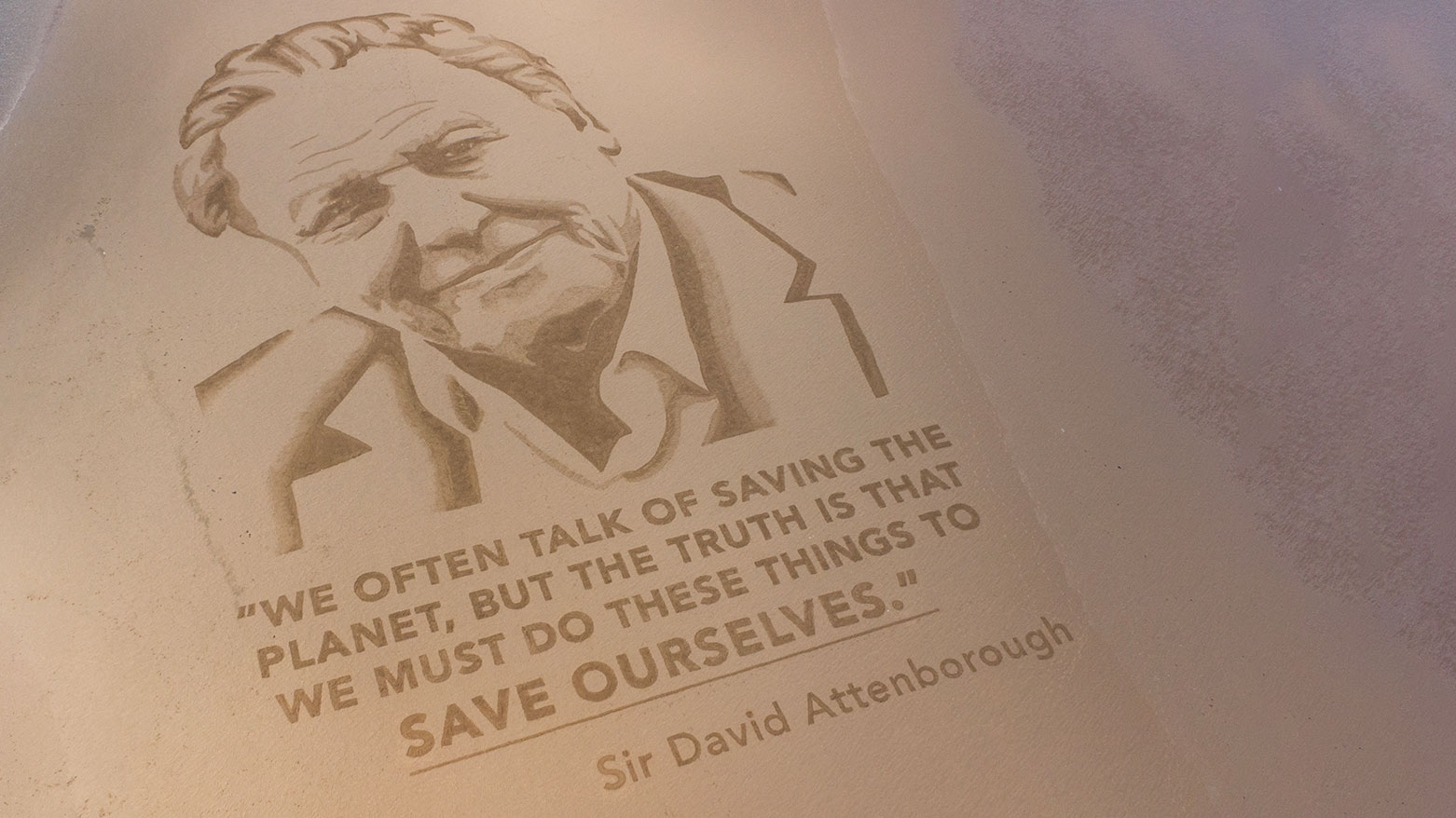
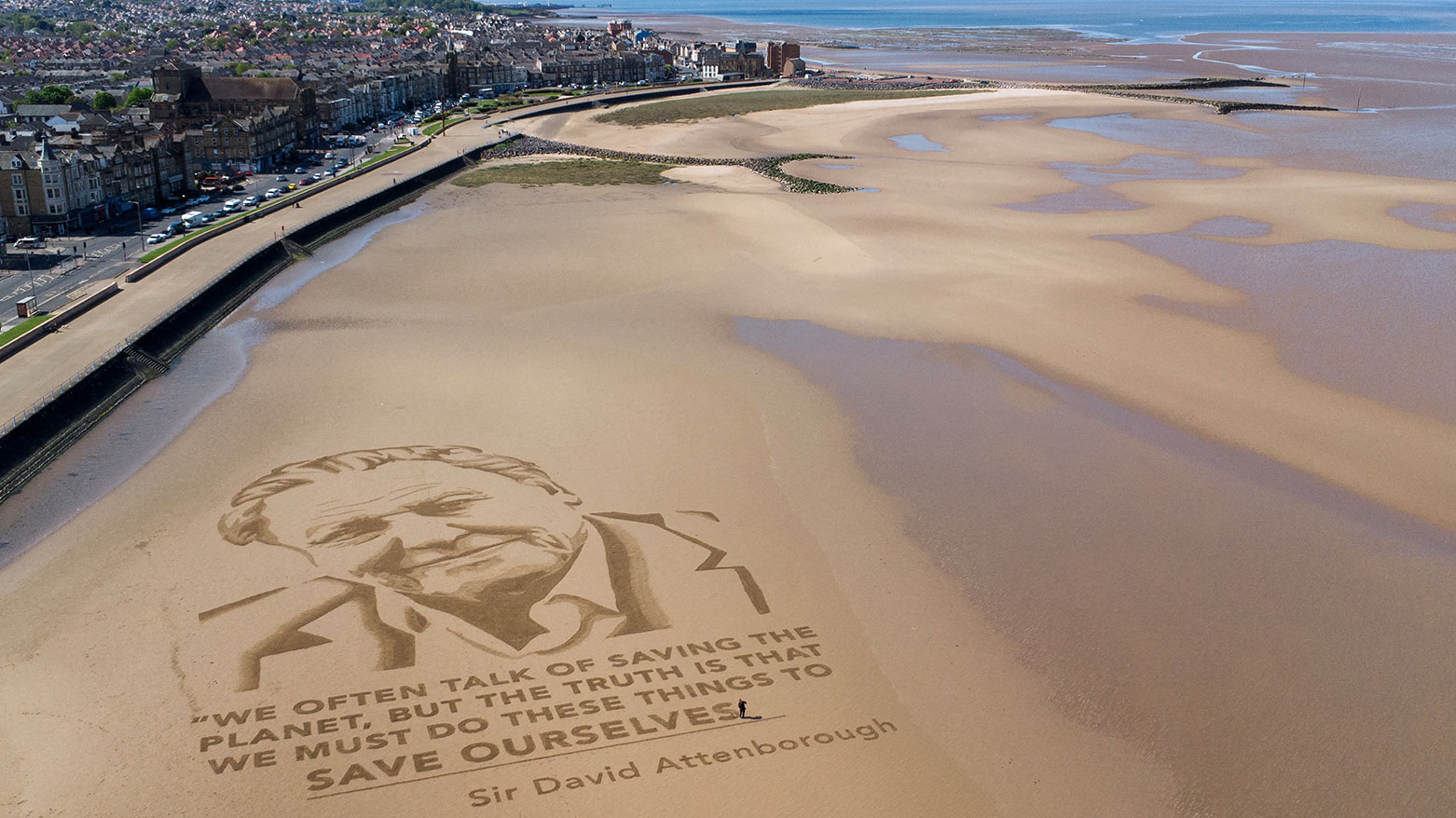
A Century of Nature Broadcasting
According to the AP report, Attenborough was born in London on May 8, 1926. Raised on the grounds of what is now the University of Leicester, his early fascination with the natural world developed as he collected fossils and wildlife specimens from the surrounding countryside.
The publication noted that he later pursued formal studies in geology and zoology at the University of Cambridge.
His television career began in 1952 when he joined the BBC.
The article stated that Attenborough quickly recognized the potential of the medium to explore the natural world beyond the confines of a studio.
By 1954, he had convinced the network to allow him to accompany a London Zoo expedition to West Africa, launching the influential series Zoo Quest.
This venture marked the beginning of a decades-long career as a host and producer in the field.
The AP report highlighted one of the most iconic moments of his broadcasting legacy: an encounter with a family of mountain gorillas during the filming of the 1979 series Life on Earth.
The scene, in which young gorillas interact playfully with the presenter, remains one of the most celebrated moments in British television history.
Attenborough later reflected on the experience as one of the great privileges of his life, according to the report.
Environmental Storytelling Across Generations
Beyond delivering stunning visual imagery, Attenborough’s work is characterized by a strict adherence to scientific accuracy.
The AP article stated that his programs served as foundational educational tools, introducing mass audiences to complex biological concepts such as evolution, animal behavior, and biodiversity.
As global environmental conditions deteriorated, the publication noted that Attenborough increasingly utilized his platform to sound the alarm on anthropogenic threats, including climate change and ocean plastic pollution.
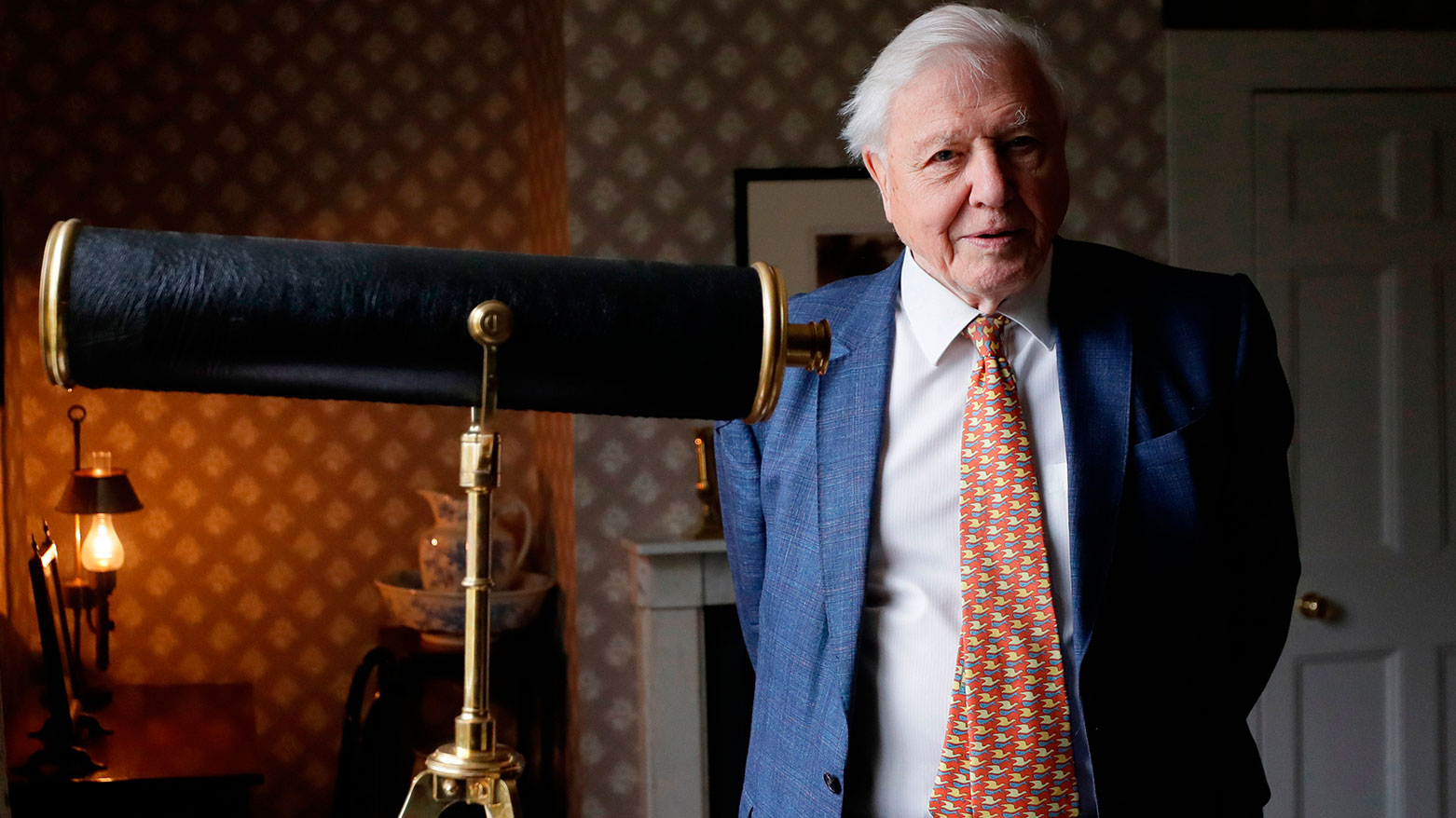
Professor Ben Garrod, an evolutionary biologist and broadcaster quoted in the AP report, observed that Attenborough initially positioned himself as a neutral observer of the natural world.
However, Garrod suggested that the broadcaster felt compelled to shift toward advocacy when it became apparent that political and business leaders were failing to address emerging ecological emergencies.
The report described how Attenborough’s ability to articulate the majesty, ferocity, and fragility of nature helped audiences understand not only the mechanisms of evolution but the urgent necessity of conservation.
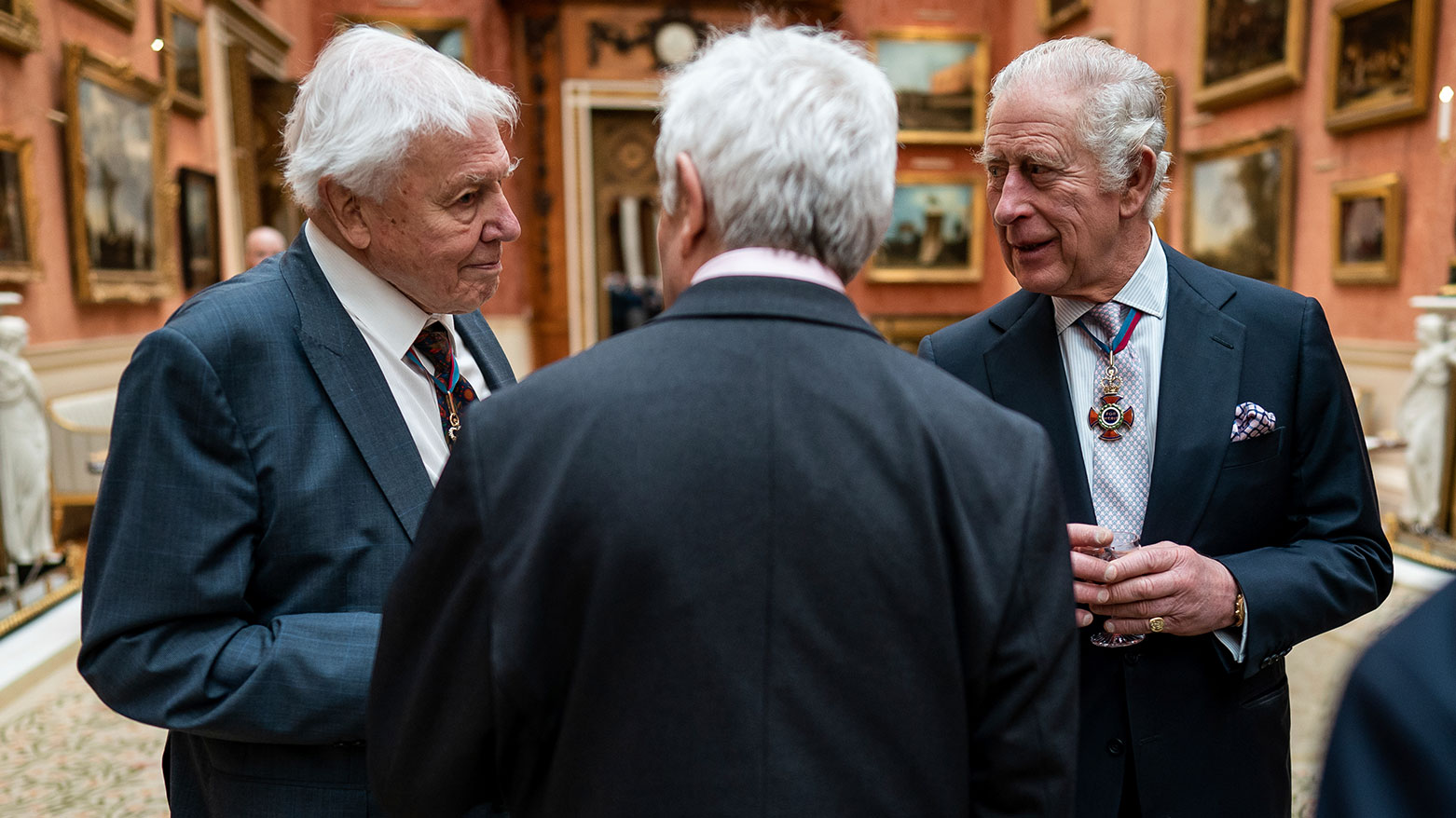
Global Voice of Wildlife Documentaries
The enduring success of Attenborough’s career is attributed to his unique synthesis of scientific knowledge and media savvy.
Jean-Baptiste Gouyon, a professor of science communication at University College London, told the Associated Press that Attenborough successfully created a persona capable of translating complicated environmental issues for a mass audience.
Gouyon noted that the broadcaster effectively became the definitive figurehead for television discourse regarding nature.
The global resonance of his work was evident during his centenary celebrations.
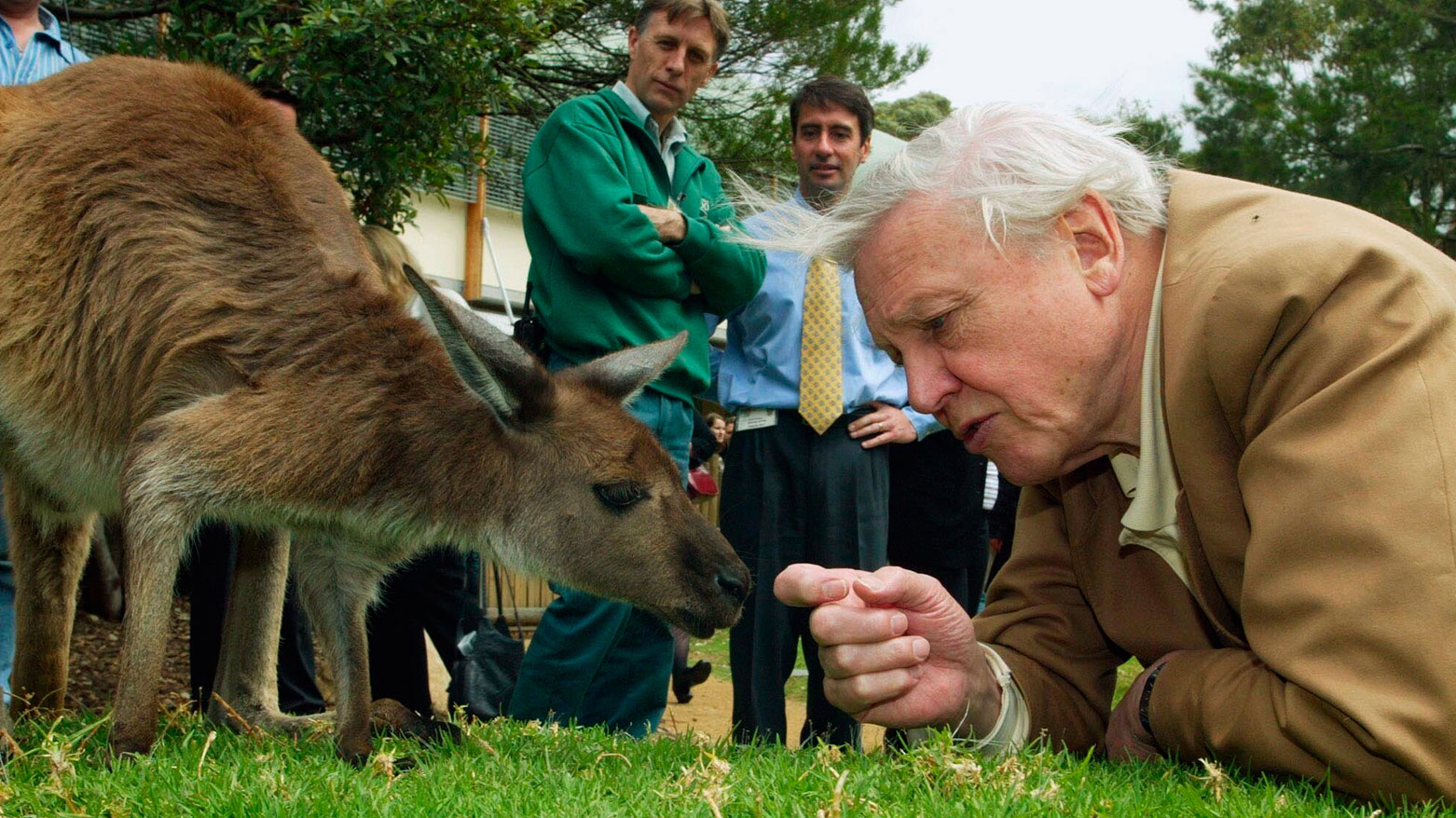
According to the AP report, Attenborough released a recorded audio message expressing his gratitude for the overwhelming volume of birthday greetings he received from individuals across all generations, ranging from preschool groups to residents of care homes.
Despite reaching his 100th year, the publication indicated that the veteran broadcaster has no immediate plans to retire.
Fothergill noted in the report that Attenborough continues to feel deeply privileged to remain active in his field, suggesting that his dedication to natural history storytelling remains undiminished.