Australian Authorities File Crimes Against Humanity Charges in ISIS Case
Two repatriated women face slavery charges as prosecutors explore ISIS attacks on Yazidi population.

ERBIL (Kurdistan24) - The Australian Federal Police (AFP) have filed historic crimes against humanity charges against two women recently repatriated from a displacement camp in Syria, marking a significant escalation in the nation's efforts to seek legal accountability for alleged conduct during the rule of the Islamic State (ISIS).
According to reporting by ABC Australia, the legal proceedings initiated in Melbourne represent a landmark application of international criminal law within the Australian domestic justice system.
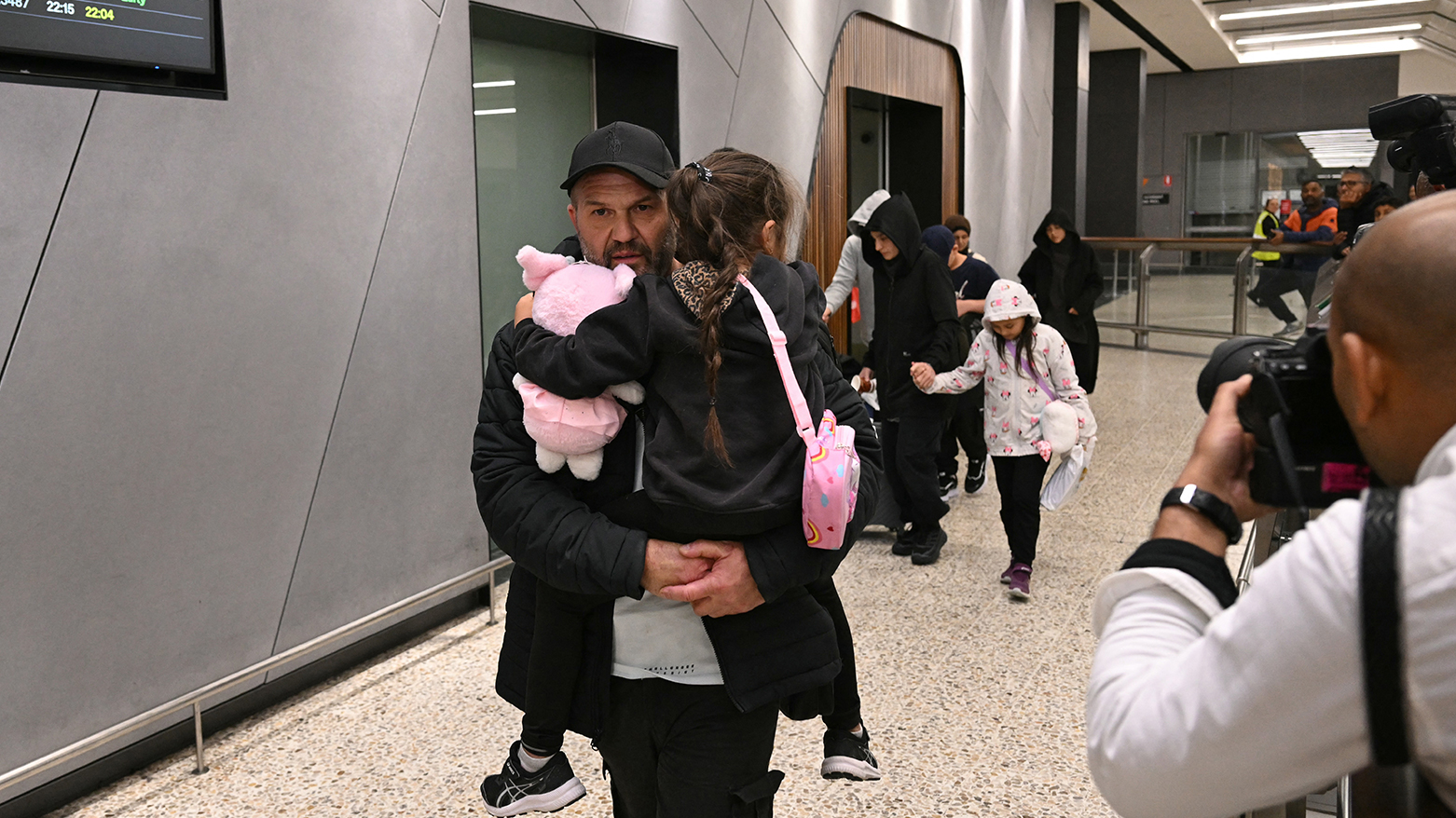
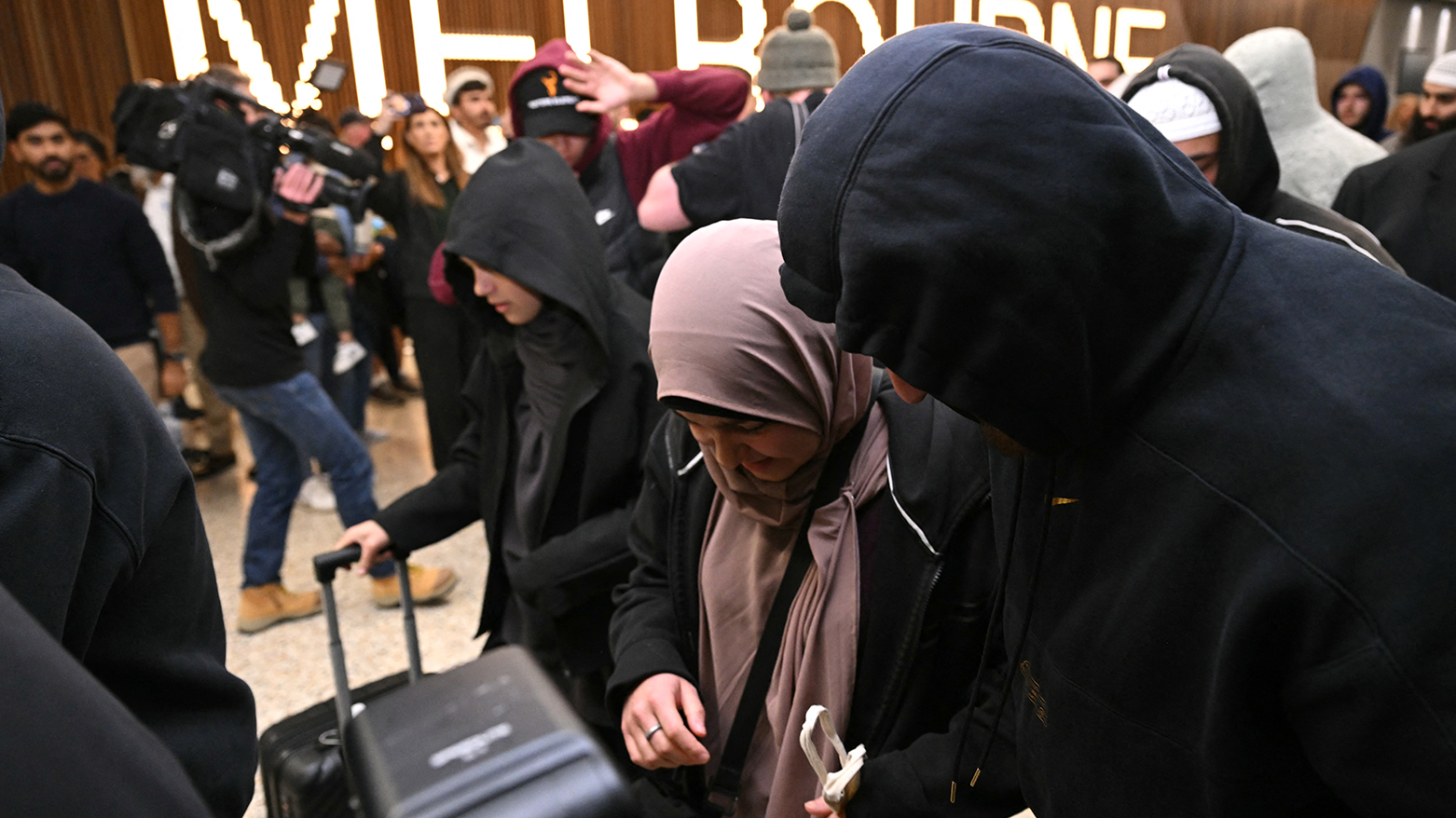
The charges follow the return of 13 Australian women and children last week from the Al Roj camp in northeast Syria. As detailed by ABC News Australia, the group arrived at Melbourne Airport under police escort, concluding years of stay in regional detention facilities.
While several members of the group were permitted to return to their communities, three women were taken into custody upon arrival to face separate sets of allegations ranging from membership in a terrorist organization to the first-ever prosecution for crimes against humanity in Australian history.
Legal experts and institutional observers have highlighted the profound significance of this development.
According to ABC Australia, the decision to pursue these cases under international crime statutes signals a robust institutional commitment to the rule of law and international justice.
The prosecution is expected to provide a rare judicial examination of the systemic nature of the crimes committed by ISIS, specifically focusing on the group’s documented history of enslavement and its targeted attacks against civilian populations in Iraq and Syria.
Charges and Court Proceedings
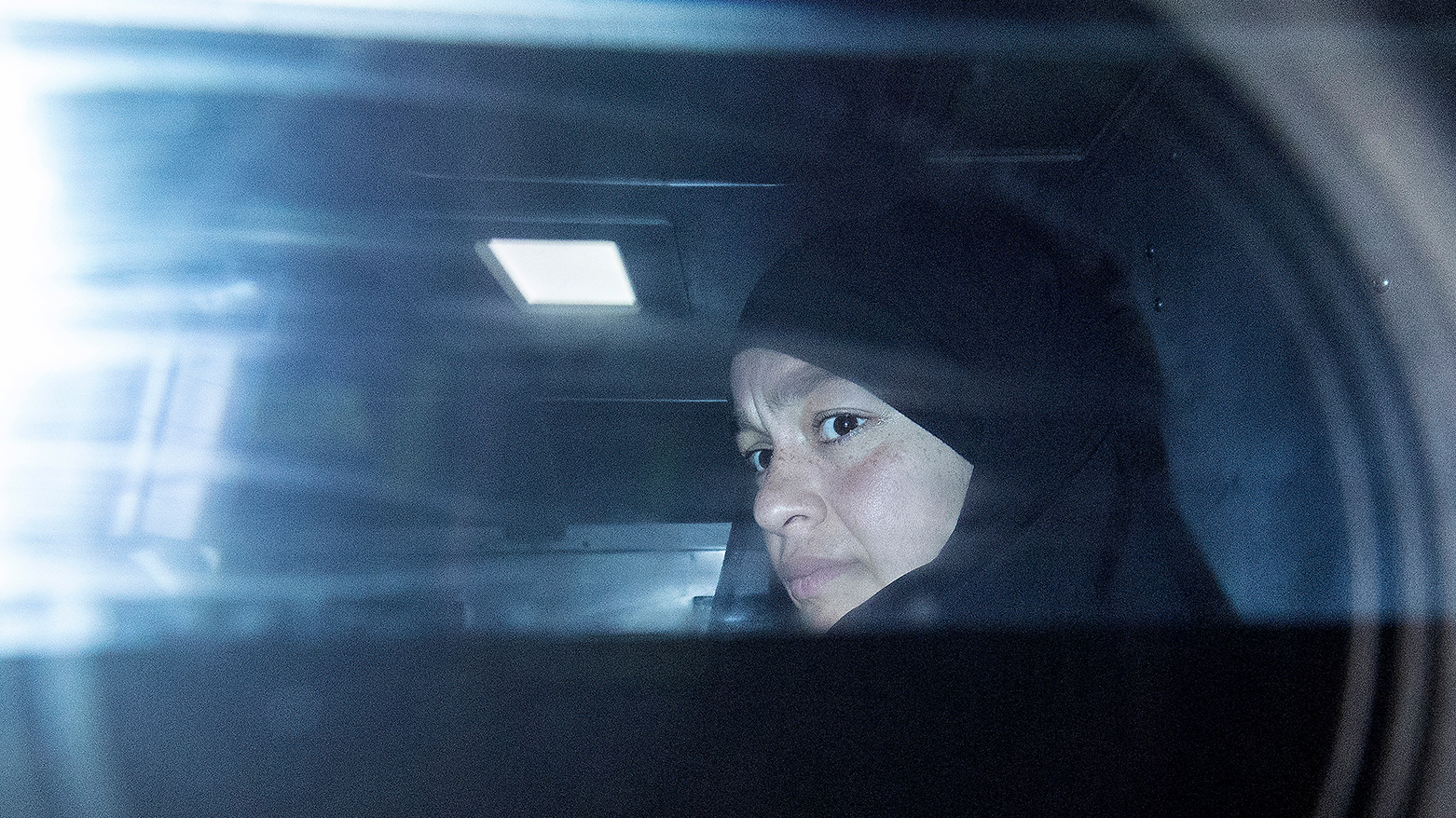
The primary defendants in the crimes against humanity case have been identified as 53-year-old Koza Abbas (also identified in some reports as Kausa Ahmed) and her 31-year-old daughter, Zainab Ahmed.
According to ABC News Australia, the pair faced a Melbourne court following their arrest at the airport.
Prosecutors allege that both women were involved in offenses related to slavery during their time in territory formerly controlled by the Islamic State.
In a separate proceeding in Sydney, a third woman, 32-year-old nursing student Janay Safar, was charged with terror-related offenses.
According to reporting by ABC News journalist Bridget Willison, Safar is accused of entering and remaining in a declared conflict zone and joining the Islamic State group.
Court documents cited by the report stated that Safar was refused bail and is scheduled to reappear in court in July.
For Abbas and Ahmed, the legal path is distinct. According to ABC Australia, Abbas faces four charges related to slavery, while Ahmed faces two.
Both remained in custody ahead of bail applications scheduled for Monday.
Authorities noted that these specific charges are unprecedented, as no individual has previously been prosecuted or convicted for crimes against humanity in an Australian court.
Allegations of Enslavement
The specific conduct at the center of the prosecution involves the alleged purchase and domestic detention of a female victim.
According to ABC News Australia, police allege that Koza Abbas was complicit in the purchase of a female slave for the sum of US$10,000.
Prosecutors further claim that the victim was knowingly kept within the home of the defendants during the conflict.
The case is expected to draw a direct line between the actions of the defendants and the broader humanitarian catastrophe that began in northern Iraq more than a decade ago.
Dr. James Cockayne, the New South Wales Anti-Slavery Commissioner, stated in an interview with ABC Australia’s Radio National Breakfast that the prosecution will likely explore the circumstances surrounding the ISIS "reign of terror" and specifically the systematic attacks on the Yazidi population in 2014.
Historical data cited in the reporting indicates that between 6,000 and 7,000 Yazidis were enslaved during the attacks in Sinjar.
According to Dr. Cockayne, the prosecution must prove that the acts alleged against Abbas and Ahmed were not isolated incidents but were part of a "widespread and systematic attack" against a civilian population.
This requirement elevates the trial from a standard criminal case to a significant inquiry into the administrative and ideological machinery of the Islamic State.
Crimes Against Humanity Framework
The legal novelty of this case rests on the use of Division 268 of the Commonwealth Criminal Code.
While Australia has previously prosecuted slavery under Division 270, this is the first instance of a slavery-related offense being framed as a crime against humanity under the international crimes division.
According to Dr. Cockayne’s analysis for ABC Australia, the significance of this shift lies in the nature of the offense.
Enslavement is considered an international crime with no exceptions or derogations, placing it in the same legal category as genocide and torture.
To secure a conviction, the prosecution must satisfy a high evidentiary threshold, demonstrating that the individual acts contributed to a larger strategy of civilian repression.
As detailed by ABC Australia, this will be the first major exploration in an Australian court of the "chattel slavery" model revived by ISIS.
Dr. Cockayne noted that the group utilized manuals to regulate the buying and selling of human beings and operated both physical and digital slave markets.
The trial is expected to scrutinize how these systems functioned and the degree to which individuals within the group facilitated their operation.
Australia’s Counterterrorism and Repatriation Policies

The prosecution arrives amid persistent political and social tension regarding the repatriation of Australian nationals from Syrian camps.
According to ABC News Australia, the women in the Al Roj camp lived in desperate conditions and had made multiple attempts to return home.
One group member told ABC journalist Bridget Willison during the flight to Melbourne that they were willing to risk immediate arrest to ensure the safety and future of their children.
The return of these families has sparked intense debate over the government's duty of care versus national security imperatives.
While the government maintains a policy of pursuing the "full force of the law" against those who joined ISIS, there is a recognized complexity regarding the children, whom many observers, including those cited by ABC News, view as victims of their parents' choices.
Furthermore, the case has highlighted gaps in the support systems for survivors of these crimes. According to Dr. Cockayne, many Yazidi survivors now reside in Australia and have contributed to international efforts to identify perpetrators.
However, because the abuse occurred before these women arrived in Australia and the perpetrators were not Australian nationals, many survivors are ineligible for the federal government's Support for Trafficked People program.
Consequently, many continue to navigate the long-term trauma of enslavement with limited government assistance.
International Justice and Accountability

The proceedings in Melbourne are being closely watched by the international legal community.
According to ABC Australia, efforts to identify and prosecute ISIS members have been ongoing globally, but the domestic trial of repatriated citizens for international crimes represents a critical step in the decentralization of global justice.
Dr. Cockayne emphasized that the trial sends a powerful signal about the reach of the rule of law.
He noted that while there is no strict obligation under international law for Australia to bring these specific charges, doing so demonstrates a commitment to bringing perpetrators of the most heinous crimes to justice.
The difficulty of gathering evidence from a distant war zone remains a primary challenge for the prosecution.
However, the AFP has reportedly been preparing for this case for a significant period.
According to ABC Australia, the presence of both alleged perpetrators and alleged victims within the same jurisdiction may provide a more straightforward path for the development of an evidentiary brief compared to other war crimes investigations where victims remain abroad.
The filing of crimes against humanity charges against ISIS-linked women marks a turning point in Australia’s legal response to the legacy of the conflict in Iraq and Syria.
As the proceedings move into the bail hearing phase and toward trial, the Australian judicial system will be tasked with navigating the complexities of international law, the logistics of war-zone evidence, and the high standards required for proving systematic civilian attacks.
The cases against Koza Abbas and Zainab Ahmed are expected to continue through the court system as authorities seek a definitive resolution under the country's international crimes legislation.