Trump Says Iran “Will 100% Stop Enriching Uranium” as Pentagon Raises War Cost to $29 Billion
White House maintains pressure strategy while political debate over war spending intensifies in Washington
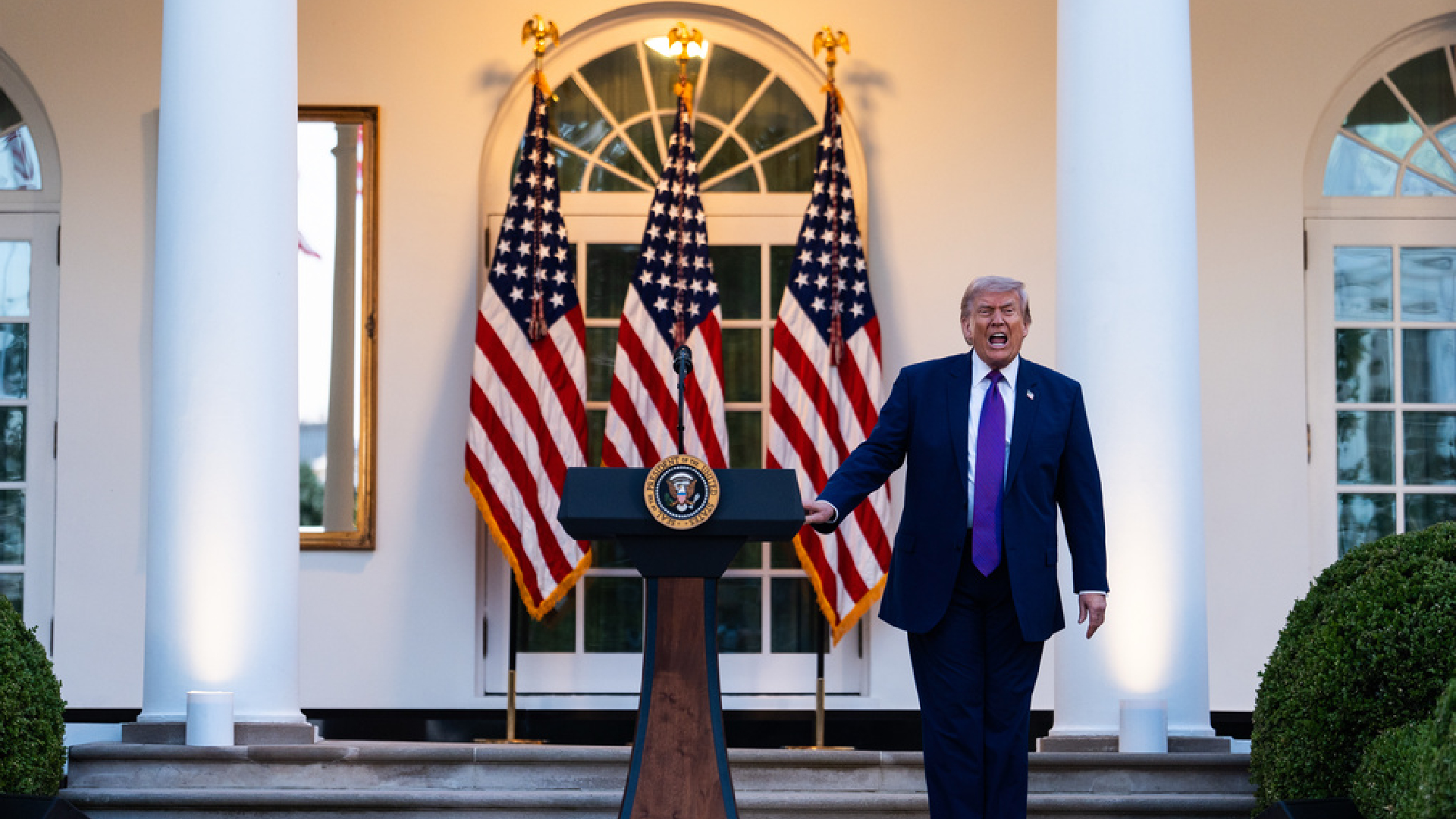
ERBIL (Kurdistan 24) - U.S. President Donald Trump said Tuesday that Washington is in no rush to finalize negotiations with Iran, arguing that ongoing U.S. military and economic pressure has already severely weakened Tehran.
“We don't have to rush anything. We have a blockade which allows them no money,” Trump said while discussing Iran and ongoing nuclear negotiations.
Trump reiterated that preventing Iran from obtaining nuclear weapons remains the central objective of U.S. policy.
“It’s a very simple thing: we cannot let them have a nuclear weapon, because they'd use it,” Trump said.
He further added that Iran is “just a question of time” and declared that Tehran “will 100% stop enriching uranium.”
Pentagon says Iran war now costs $29 billion
The comments came as a senior Pentagon official revealed to Reuters on Tuesday that the war with Iran has now cost the United States approximately $29 billion, an increase of $4 billion compared to estimates issued late last month.
According to Reuters, Jules Hurst, who is currently performing the duties of Pentagon comptroller, told lawmakers Tuesday that the updated figure includes additional operational expenses as well as equipment repair and replacement costs linked to military deployments and combat operations in the Middle East.
“The joint staff team and the comptroller team are constantly looking at that estimate,” Hurst told lawmakers during testimony alongside Defense Secretary Pete Hegseth and Chairman of the Joint Chiefs of Staff Dan Caine.
Reuters also noted that on April 29, the Pentagon estimated the war had cost approximately $25 billion at that stage of the conflict.
A source previously told Reuters in March that the first six days of the war alone were estimated to have cost at least $11.3 billion.
Why is the financial cost becoming politically sensitive
The rising cost of the war is becoming a major political issue in Washington ahead of the upcoming U.S. midterm elections.
According to Reuters, Democrats are increasingly attempting to connect the financial burden of the war with broader cost-of-living concerns facing American voters, including inflation, fuel prices, shipping disruptions, and economic uncertainty caused by instability in the Middle East.
Republicans currently face growing political pressure over the long-term economic impact of military operations, particularly as global energy markets remain unstable because of continuing tensions around the Strait of Hormuz.
Nuclear enrichment remains the core dispute
Trump’s latest comments also highlight how uranium enrichment remains the most difficult issue in ongoing negotiations between Washington and Tehran.
The United States continues demanding severe limits on Iran’s enrichment activities and broader restrictions tied to future nuclear monitoring and inspections.
Meanwhile, Iranian officials continue insisting that Tehran’s nuclear program is intended for civilian purposes.
Recent Iranian statements, however, have intensified international concern. Reuters reported Monday that Iranian parliamentary spokesman Ebrahim Rezaei warned Tehran could consider enriching uranium to 90% purity, considered weapons-grade, if Iran faces renewed military attacks.
Diplomacy continues despite military pressure
Despite continuing military escalation and economic pressure, indirect negotiations between Washington and Tehran remain active through mediators including:
- Qatar
- Pakistan
- Türkiye
- Egypt
- Saudi Arabia
Current discussions reportedly focus on:
- Ending the war
- Maritime security in the Strait of Hormuz
- Sanctions relief
- Nuclear restrictions
- Regional de-escalation
At the same time, military alert levels remain elevated throughout the Gulf amid fears that any collapse in diplomacy could trigger renewed confrontation involving Iran, the United States, Israel, and Iran-backed armed groups.