Iraq Oil Exports Through Hormuz Drop Sharply Amid Regional War
Iraq’s new oil minister said exports through the Strait of Hormuz fell to 10 million barrels in April as tanker traffic slowed due to security and insurance concerns.
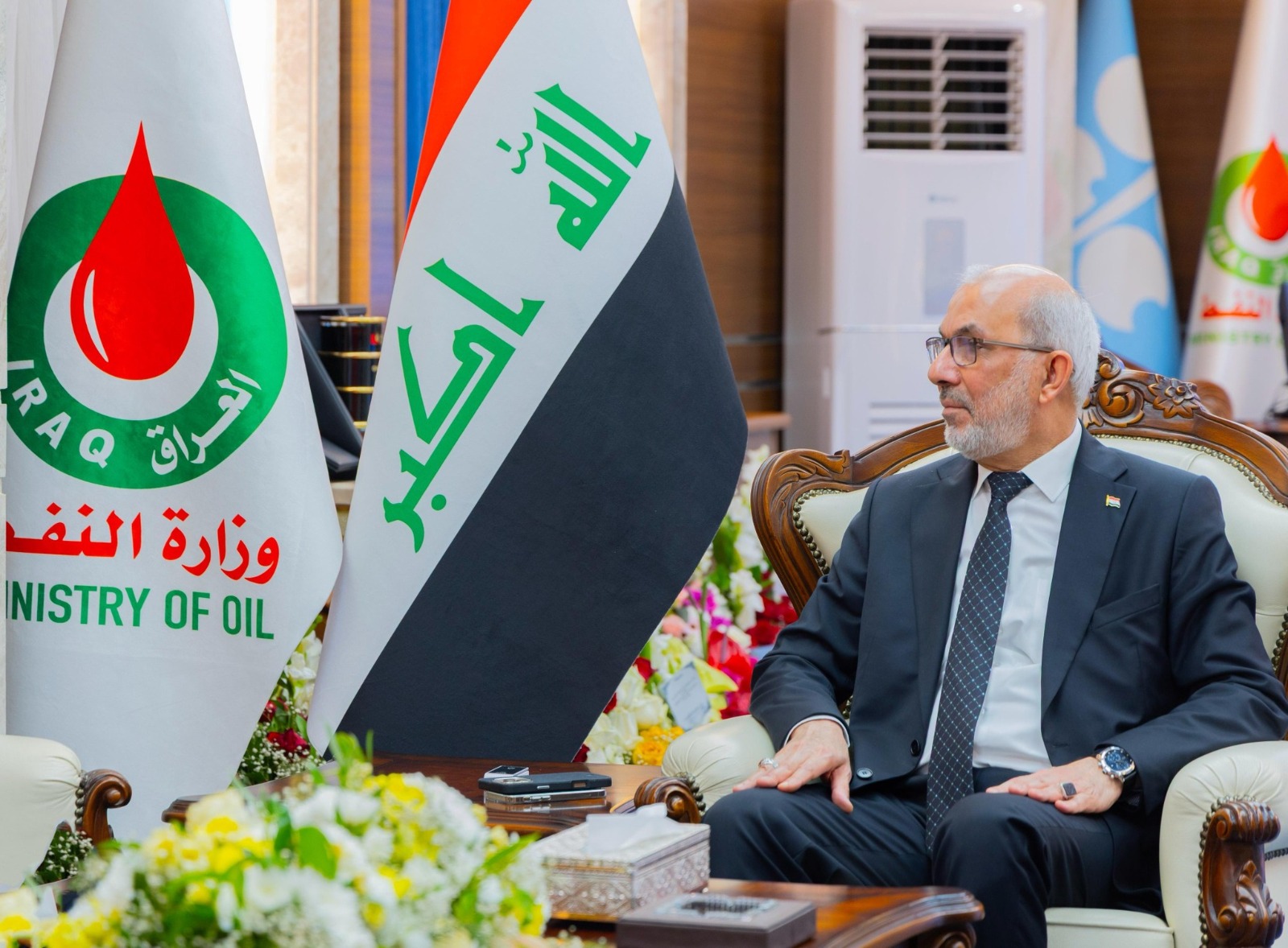
Erbil (Kurdistan24) - Iraq exported only 10 million barrels of oil through the Strait of Hormuz in April, a sharp decline from the roughly 93 million barrels exported monthly before the US-Israeli war against Iran, Iraq’s new Oil Minister Basim Mohammed said during a press conference on Sunday.
Mohammed said the conflict and the closure of the Strait of Hormuz severely disrupted oil exports from Iraq, Saudi Arabia, the United Arab Emirates, and Kuwait, while driving global oil prices higher.
“Exports through the Strait of Hormuz are low and depend on the arrival of oil tankers, which are not entering because of insurance,” Mohammed said during his first press conference since taking office.
According to the minister, Iraq is currently producing 1.4 million barrels of oil per day.
He added that crude exports through the Kirkuk-Ceyhan pipeline resumed in March following an agreement between Baghdad and the Kurdistan Regional Government to restart flows through Türkiye.
“We export 200,000 barrels through Ceyhan port, and we have a plan to increase it to 500,000 barrels,” Mohammed said.
The minister also revealed that Baghdad is negotiating a broader energy cooperation agreement with Türkiye covering upstream and downstream energy projects, expanding beyond previous agreements focused mainly on crude exports.
Mohammed further said Iraq is in talks with major US energy companies, including Chevron, ExxonMobil, and Halliburton, regarding oil and gas development projects.
He urged the companies to finalize agreements quickly, saying the projects could generate substantial revenues for Iraq.
Baghdad is also seeking discussions with OPEC aimed at increasing Iraq’s production and export capacity, with the government targeting a future production capacity of five million barrels per day.
“We have a dialogue with OPEC to increase Iraq’s export capacity. When exports increase, and the ceiling opens up with OPEC, we will bring in significant financial revenues for Iraq,” Mohammed said.
The remarks also come months after Iraqi oil officials told Reuters in April that Baghdad had no intention of leaving OPEC or OPEC+, despite speculation following the United Arab Emirates’ decision to withdraw from the group.
Iraq has repeatedly stressed support for maintaining a strong OPEC alliance to stabilize oil markets and maintain acceptable global energy prices.