Shaqlawa Set to Receive 24-Hour Electricity by the End of May Under Runaki Project
Local officials said the project will provide uninterrupted electricity to more than 40,000 residents and over 10,000 subscribers in the district.
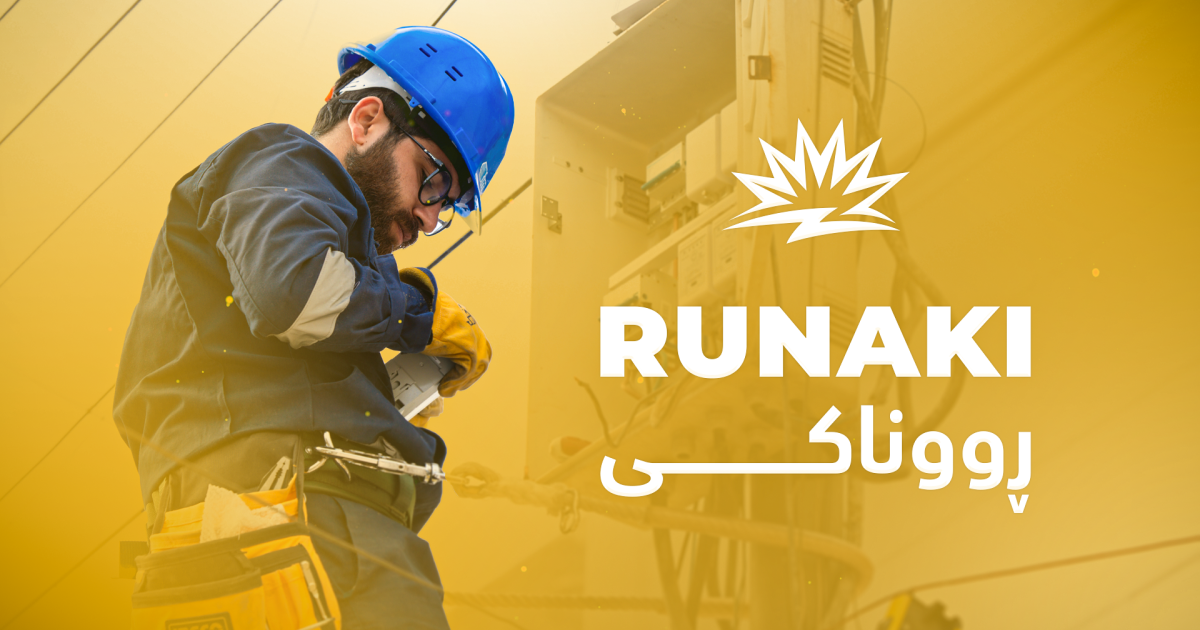
Erbil (Kurdistan24) - The Kurdistan Region Government (KRG)'s Runaki Program is expected to deliver 24-hour electricity service to Shaqlawa district by the end of May, local officials said, as the KRG continues expanding its flagship electricity reform initiative across the Region.
Suara Akram, mayor of Shaqlawa district, told Kurdistan24 that technical teams working on the Runaki Project are continuing operations across the area to complete infrastructure preparations for uninterrupted electricity service.
"Runaki Project teams are continuously working to provide 24-hour electricity to the entire district," Akram said.
"According to the plan, the teams are expected to complete all work by the end of this month, and Shaqlawa residents will receive 24-hour electricity," he added.
Akram added that the project would secure continuous electricity service for more than 10,000 electricity subscribers and approximately 40,000 residents across Shaqlawa district.
The expansion marks another step in the Kurdistan Regional Government's broader effort to modernize electricity infrastructure and reduce dependence on private neighborhood generators, which have long filled gaps in public electricity supply across the Kurdistan Region.
Kurdistan Region Prime Minister Masrour Barzani first announced the Runaki Project in Nov. 2024 as a strategic roadmap aimed at delivering uninterrupted electricity across the Kurdistan Region.
In May 2026, the Kurdistan Region's Council of Ministers unanimously approved the project as part of the government's long-term energy reform strategy.
The initiative aims to provide 24-hour electricity to all homes and commercial areas across the Kurdistan Region by the end of 2026.
Several city centers across the Region have already begun receiving continuous electricity service under the project.
For a global audience, the transformation of Shaqlawa, a picturesque resort town celebrated for its mountainous landscapes, carries weight far beyond local convenience.
Crucially, the phased eradication of private diesel generators marks a major environmental milestone.
These neighborhood generators, long an indispensable but hazardous staple of daily life, have historically contributed to heavy air and noise pollution.
By transitioning to a centralized, 24-hour grid, the Runaki Program directly aligns the Kurdistan Region with international sustainability goals, offering a tangible blueprint for green infrastructure development in the Middle East.
Furthermore, the stabilization of the energy sector is poised to unlock substantial economic potential, catching the eye of international investors and Western businesses.
Consistent electricity is the bedrock of digital innovation, modernized commerce, and international tourism.
As Shaqlawa secures uninterrupted power, its local economy and hospitality sectors are expected to thrive, transforming the district into an even more viable destination for global travelers and expatriates seeking to explore the region's rich cultural heritage.
On a broader geopolitical scale, the successful rollout of the Runaki Project signals the Kurdistan Region's transition from conflict-recovery to robust, institutional modernization.
For Western observers and policymakers, a self-reliant and infrastructure-secure Kurdistan represents a reliable, stable partner in an often-volatile landscape.
The government's aggressive timeline to power the entire region by the end of 2026 highlights a forward-looking governance model that prioritizes civic welfare and economic diversification.
Ultimately, the impending 24-hour illumination of Shaqlawa symbolizes more than just lit homes; it reflects a region actively illuminating its path toward global integration, environmental responsibility, and economic resilience.
As the May deadline approaches, the initiative stands as a testament to how local infrastructure reform can echo universal aspirations for progress.