Kurdistan Region Expands Green Space as Environmental Reforms Accelerate
Urban green belts and strict pollution controls reshape Kurdistan Region's environmental landscape.
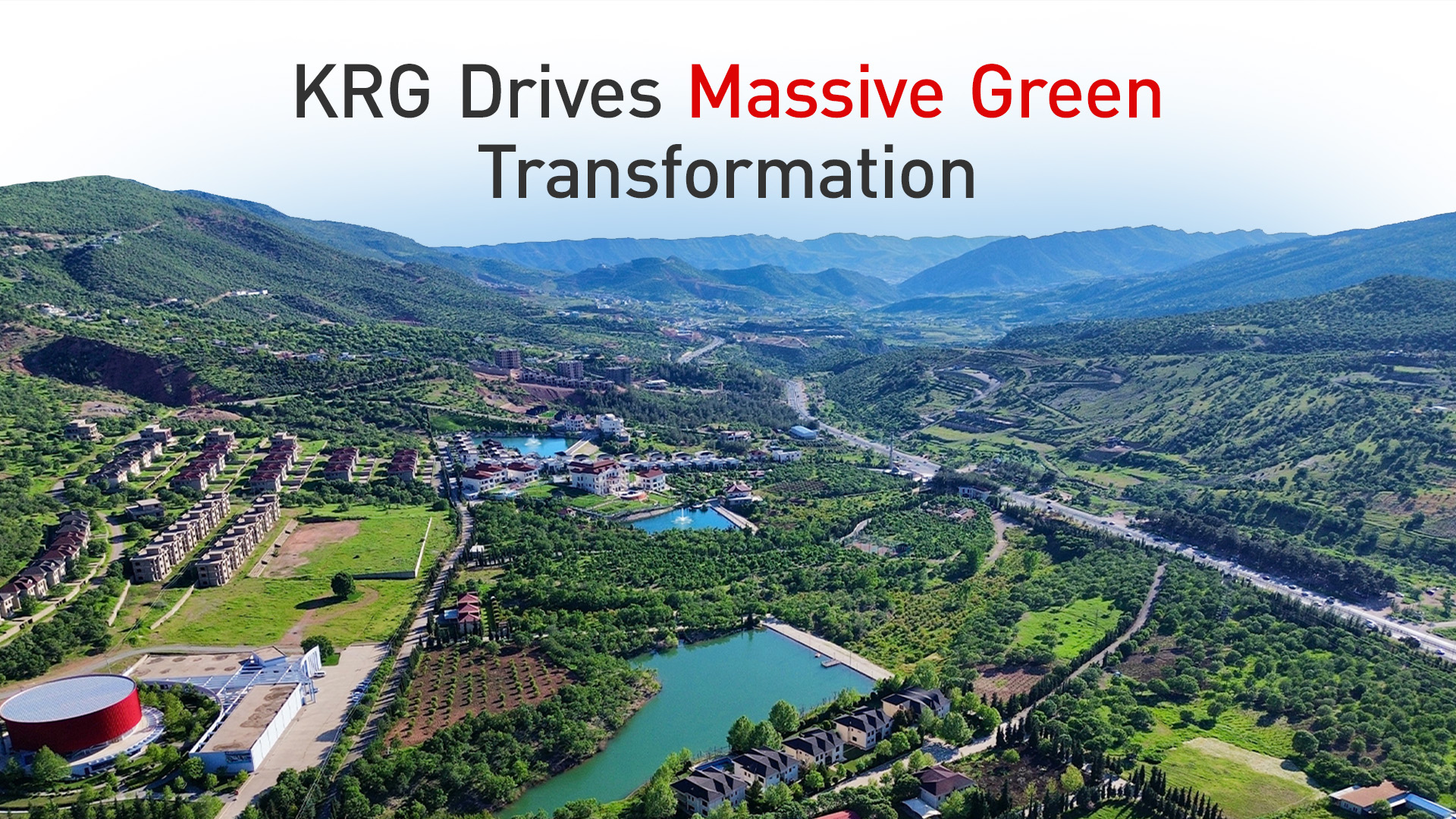
ERBIL (Kurdistan24) - Environmental protection and urban sustainability have emerged as defining pillars of the Kurdistan Regional Government's (KRG) current administrative agenda. According to the latest data released by regional authorities, a series of targeted infrastructure projects, stringent industrial regulations, and comprehensive urban greening initiatives have successfully increased the Kurdistan Region's total green space by approximately 6 percent.
The announcement underscores a significant shift in regional governance under the KRG's Ninth Cabinet.
Dr. Sanaan Abdullah, the spokesperson for the Kurdistan Region Environmental Board, told Kurdistan24 that despite persistent economic hurdles and external financial pressures, the region is currently passing through a "positive transitional phase" regarding ecological modernization.
The KRG has implemented a multi-dimensional strategy designed to combat desertification, reduce carbon emissions, and systematically improve air quality across major population centers.
This environmental transition centers on the structural modernization of the region's energy and industrial sectors.
The KRG has increasingly prioritized policies that intersect urban development with ecological preservation.
Projects such as the "Light" (Runaki) initiative, which focuses on eliminating highly polluting neighborhood power generators, and the expansive Erbil Green Belt are foundational to this long-term sustainability planning.
Environmental officials stated that these coordinated efforts have already resulted in the removal of over one million tons of carbon dioxide emissions from the atmosphere annually, fundamentally altering the environmental trajectory of the region.
Expansion of Green Space Across Kurdistan
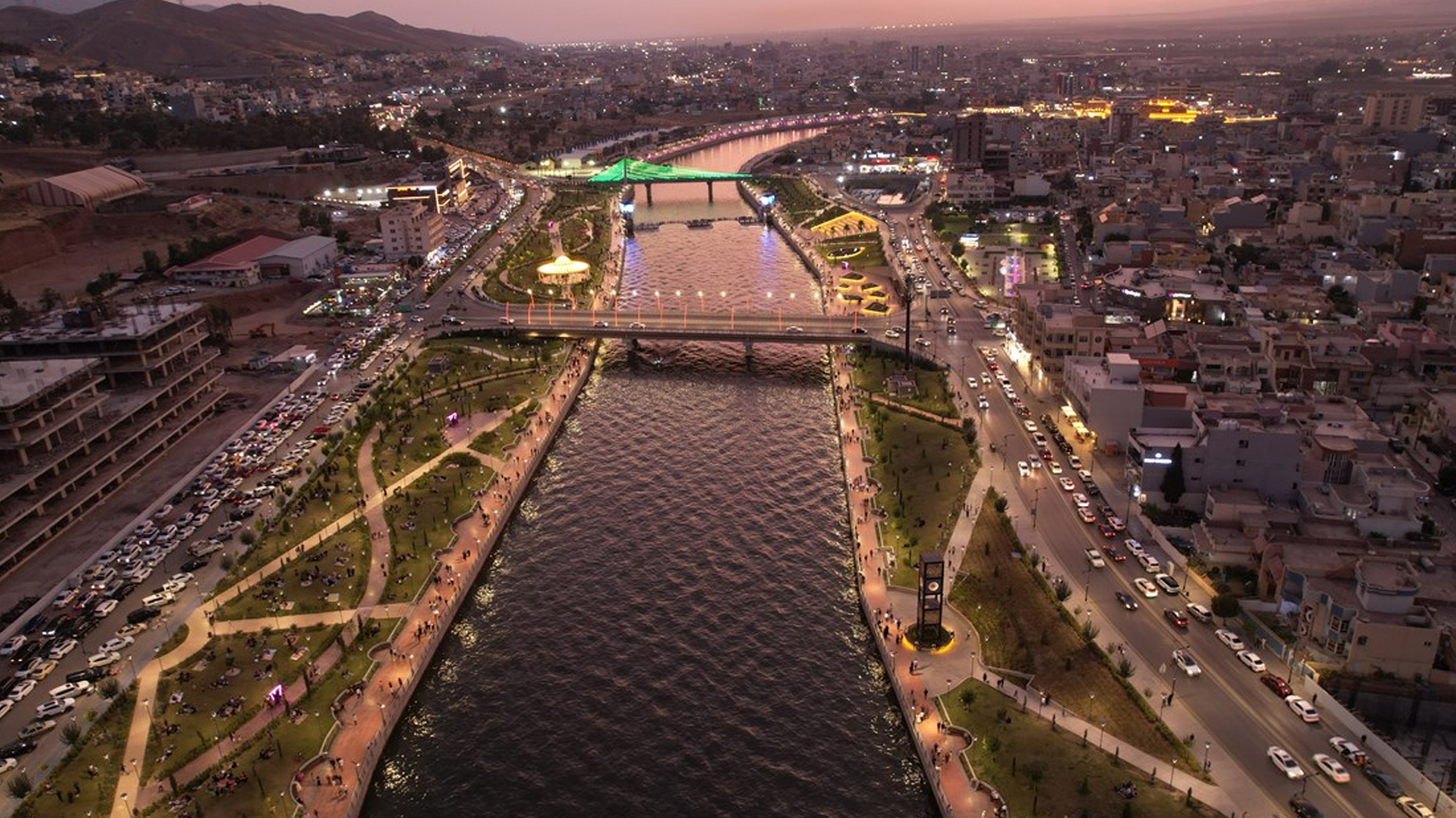
The expansion of green spaces is highly visible across the region's major urban centers.
According to the Kurdistan Region Environmental Board, the overall green space across the territory currently stands at 20 percent. However, officials project that specific municipalities will soon exceed this baseline due to ongoing afforestation and park development programs.
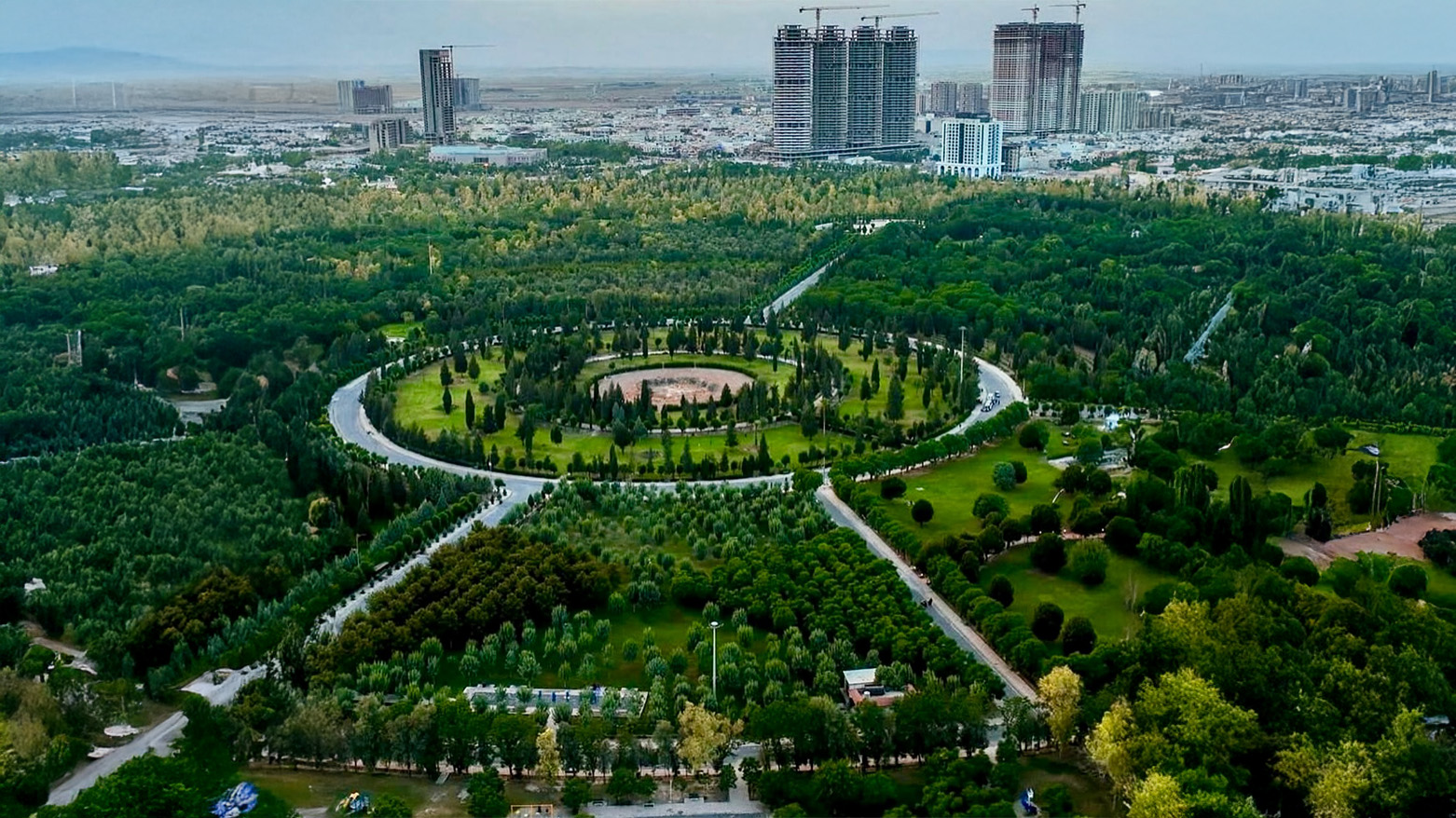
In Erbil, Dr. Abdullah told Kurdistan24 that upon the completion of the city's expansive green belt project and the continued planting of saplings in new parks and public gardens, the capital's green space is expected to surpass 25 percent.
The integration of nature into urban planning has become a mandatory regulatory standard; official statistics cited by Kurdistan24 showed that new industrial and residential projects are now legally obligated to allocate 25 percent of their total area exclusively to green space.
Other provinces reflect varying levels of environmental development.
The Environmental Board spokesperson noted that while formal records from Sulaymaniyah local authorities have not been officially submitted, local reports indicate the city maintains a greenery rate between 22 and 23 percent.
Duhok, which inherently possesses a robust natural environment, has further expanded its urban greenery through targeted development, currently standing between 20 and 22 percent.
Meanwhile, Halabja's current greenery rate remains just below the 20 percent threshold, indicating areas where future afforestation efforts may be concentrated.
"The Ninth Cabinet has given great importance to increasing the percentage of greenery; therefore, if we make a comparison between the present and the past, the greenery rate has increased by 5 to 6 percent," Dr. Abdullah stated, adding that the administration hopes to sustain this positive environmental momentum.
The "Runaki" Project and Air Quality Improvements
A critical component of the region's environmental strategy is the aggressive reduction of urban air pollution, primarily driven by the "Light" (Runaki) Project.
This initiative focuses on the systemic elimination of diesel-powered neighborhood generators, which have historically served as a stopgap measure for electricity shortages but function as massive localized sources of pollution.
According to the Kurdistan Region Environmental Board, the closure of these generators has triggered a qualitative leap in urban air quality.
Environmental officials said that the shutdown of 2,500 generators has already led to significant air purification.
The report noted that the overarching goal of the project is the closure of 7,000 neighborhood generators by the end of 2026. D
ata from the project committee indicates that the shutdowns achieved thus far have prevented the emission of approximately 1.1 million tons of CO2 into the atmosphere annually.
"When we talk about the air quality of the cities, the emission of harmful gases into the air has decreased, and fine particulate matter, known as PM, has also decreased," Dr. Abdullah explained.
This reduction is heavily tied not only to the removal of generators but also to strict environmental conditions imposed by relevant authorities on heavy industry, factories, and refineries.
Erbil's Exit From Polluted City Rankings
The cumulative effect of these energy and industrial reforms is most evident in the capital.
According to the Environmental Board, Erbil was previously listed among cities suffering from very polluted air.
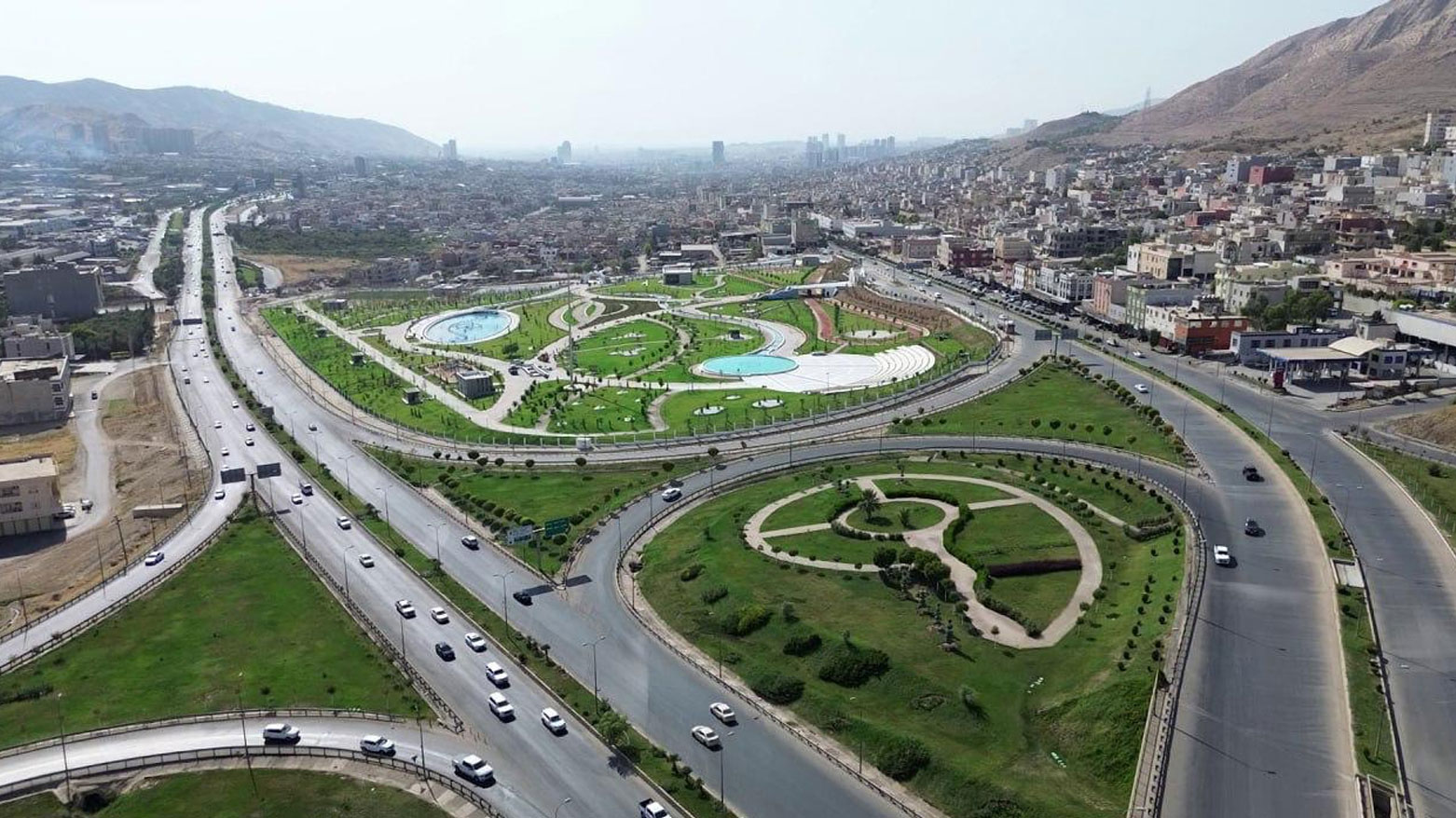
However, following the implementation of the "Runaki" Project and subsequent industrial crackdowns, Dr. Abdullah stated that Erbil has completely exited the list of polluted cities based on the global Air Quality Index (IQAir).
Currently, the city's air quality frequently registers between "Healthy" and "Moderate," meaning the index typically remains below the 50-point threshold.
To maintain and verify these improvements, the Ninth Cabinet prioritized the installation of air quality measurement stations.
The report noted that four evaluation stations have been established, providing essential atmospheric data that allows authorities to identify localized pollution spikes and deploy rapid regulatory responses.
The Erbil Green Belt Project
The cornerstone of the region's climate adaptation strategy is the Erbil Green Belt.
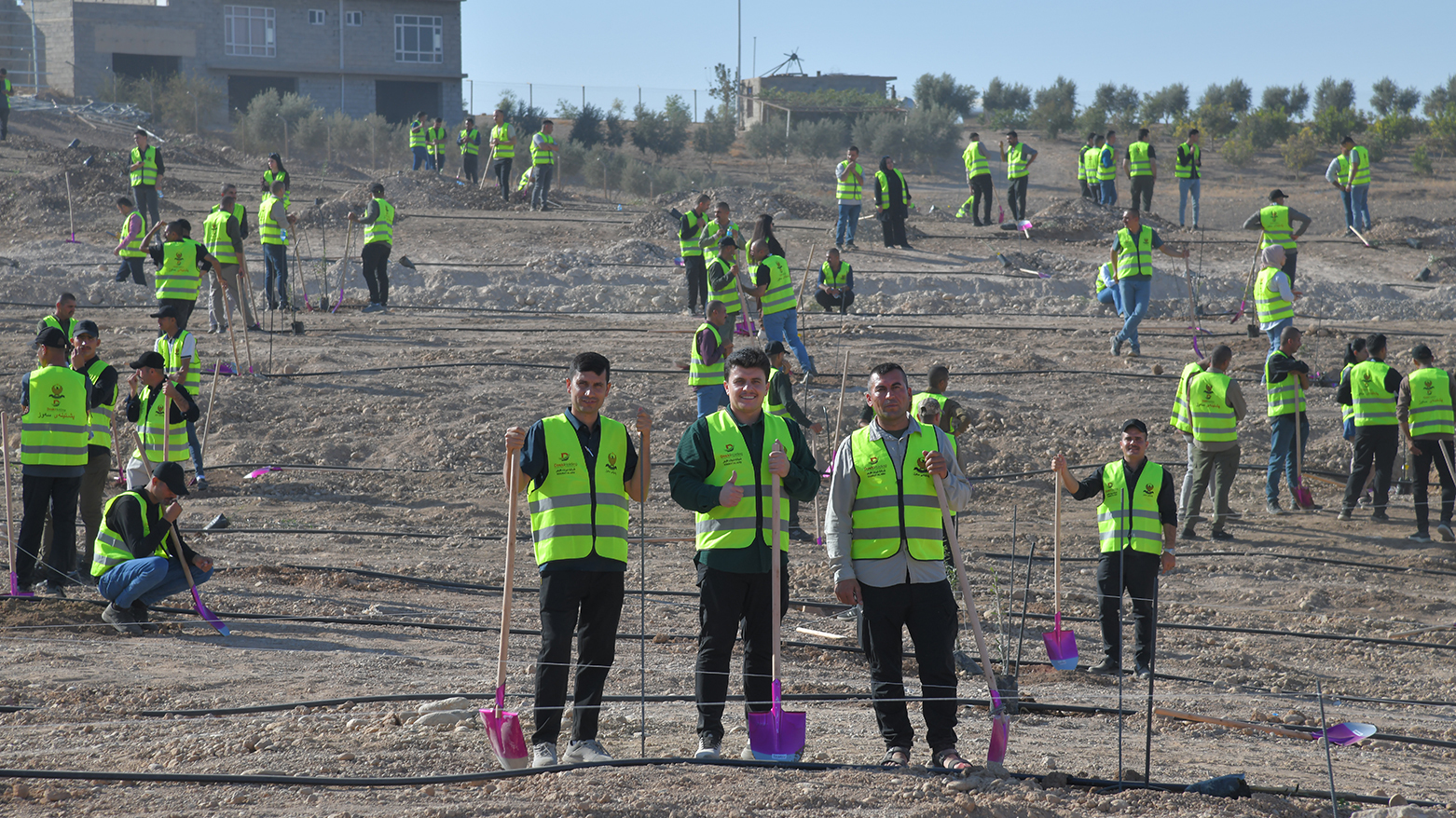
Initiated on Oct. 30, 2025, when Prime Minister Masrour Barzani planted the inaugural tree, the project represents a massive investment in urban ecological engineering.
According to official plans, the green belt will span 78 kilometers in length and 2 kilometers in width, encircling the outer perimeter of Erbil's 150-meter ring road.
The strategic scope of the project involves the planting of seven million olive and pistachio trees, supported by the creation of 10 dedicated water storage ponds.
The agricultural density of the belt is projected to absorb between 140,000 and 210,000 tons of carbon dioxide annually.
Environmental officials stated that the project serves multiple overlapping civic and ecological goals. It is designed to mitigate the "urban heat island" effect, lowering city temperatures and improving overall weather conditions.
By acting as a natural filter, the belt will absorb nitrogen oxides and fine particulate matter, thereby reducing pollution-related respiratory diseases and improving public health.
Ecologically, the project acts as a bulwark against desertification, stabilizing topsoil and strengthening regional biodiversity.
Economically, the initiative creates sustainable employment in agriculture and maintenance. Furthermore, the massive carbon absorption capacity of the belt positions the KRG to potentially enter international carbon markets, with theoretical annual revenues estimated between $1.12 million and $2.52 million.
Crackdown on Polluting Refineries
In tandem with expanding green spaces, the KRG has intensified environmental enforcement within the energy sector.
Dr. Abdullah revealed that a strict campaign has resulted in the closure of 85 unofficial, highly polluting refineries across the region.
In Duhok province alone, approximately 14 such facilities were shuttered.
This enforcement action was driven by directives from the Prime Minister and relevant government bodies requiring all refineries to adhere strictly to environmental guidelines.
Facilities lacking essential infrastructure or serving as major sources of air pollution were forced to close.
According to the Environmental Board, the three official refineries, alongside any remaining operations, are now legally obligated to install air filters, establish water treatment units, implement advanced waste management systems, possess on-site laboratories, and allocate space for greenery.
Renewable Energy and Eco-Friendly Technology
The modernization of the Kurdistan Region's environmental policy increasingly intersects with technological advancement.
Official statistics cited by Kurdistan24 showed that the government strategy extends beyond punitive closures and actively supports the importation of clean technology.
Environmental officials said that the KRG is fully backing the import and use of eco-friendly vehicles, including hybrid and electric models, to reduce the substantial greenhouse gas emissions generated by the transportation sector.
Dr. Abdullah emphasized that protecting the region's water, soil, and air requires bilateral cooperation between the state and the private sector, urging investors to align their projects with the government's eco-friendly vision.
Environmental Protection as Governance Strategy
The foundation for this sweeping transformation was laid at the inception of the KRG's Ninth Cabinet in Jul. 2019.
The government's official agenda explicitly defined the region's ecological health with the statement: "Kurdistan’s environment is the Region's greatest capital."
This policy declaration obligated all government institutions to prioritize environmental risk reduction. The administration's practical steps extended well beyond urban centers.
The report noted that forestry protection measures have resulted in the creation of 34 million square meters of firebreaks to prevent devastating wildfires, while de-mining operations have cleared 11.4 million square meters of contaminated soil, restoring previously inaccessible land to its natural state.
Kurdistan Region officials increasingly view environmental sustainability, aggressive pollution reduction, and expansive green urban planning as essential, long-term strategic priorities necessary for navigating ongoing climate pressures and securing the region's economic future.