Dust Storm Triggers 226 Respiratory Emergencies Across Iraq
Iraq's Health Ministry says "226 cases of suffocation and severe respiratory distress" were recorded as a powerful dust storm swept across multiple provinces, prompting a nationwide emergency medical response.
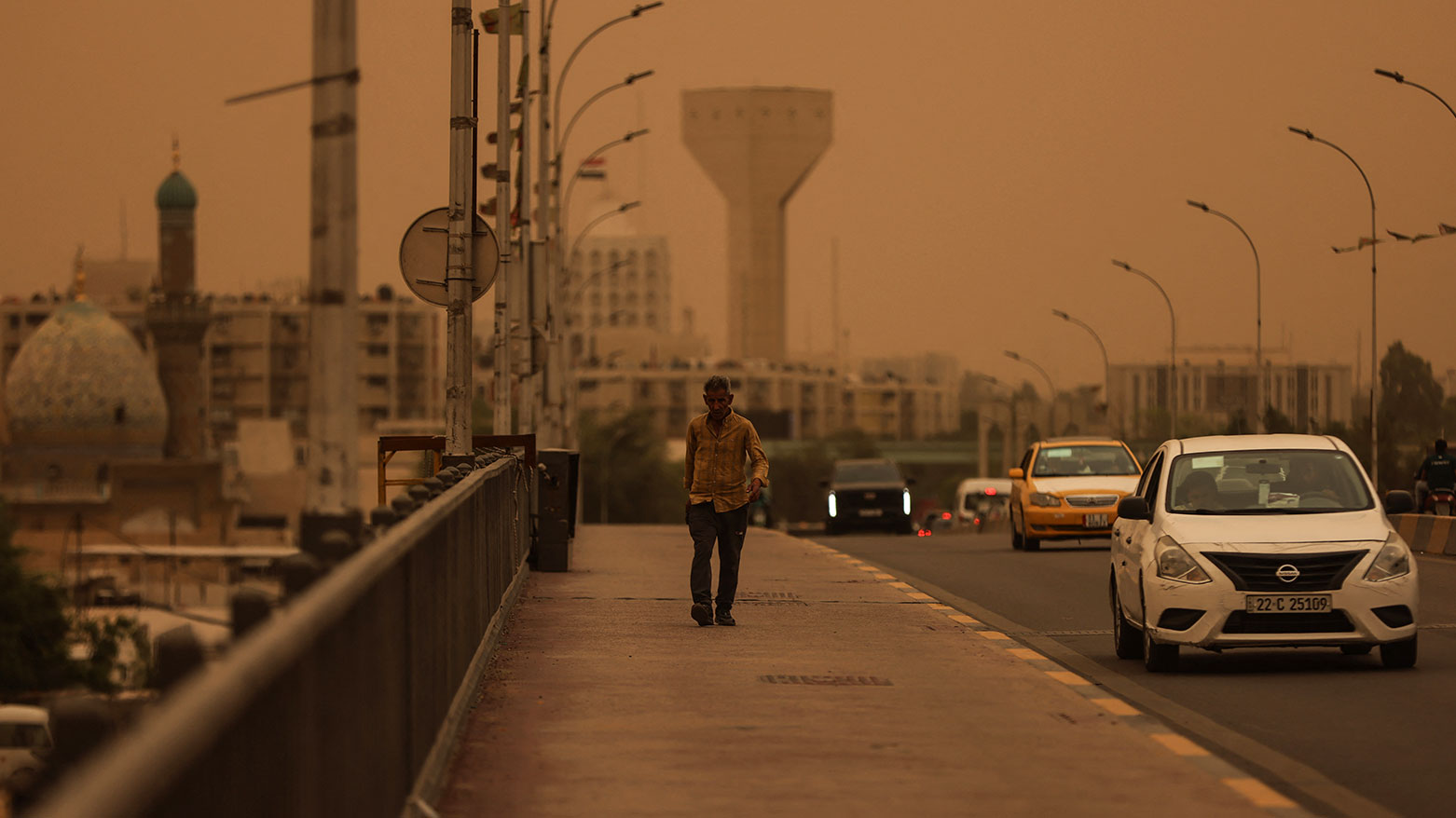
ERBIL (Kurdistan24) - The Iraqi Ministry of Health announced on Tuesday the mobilization of emergency medical services following a severe dust wave that swept across the country, resulting in hundreds of individuals requiring urgent respiratory treatment.
According to official figures released by the Iraqi News Agency (INA) on Monday, health authorities recorded 226 cases of suffocation and severe respiratory distress across several provinces as a direct consequence of the intensifying sandstorms.
The emergency medical response was coordinated at the highest institutional levels as visibility plummeted and air quality deteriorated sharply.
According to INA, Health Minister Abdul Hussein al-Moussawi personally directed the operations of health departments in Baghdad and other affected regions, emphasizing the necessity of maintaining the full mobilization of medical institutions to secure therapeutic services for affected citizens.
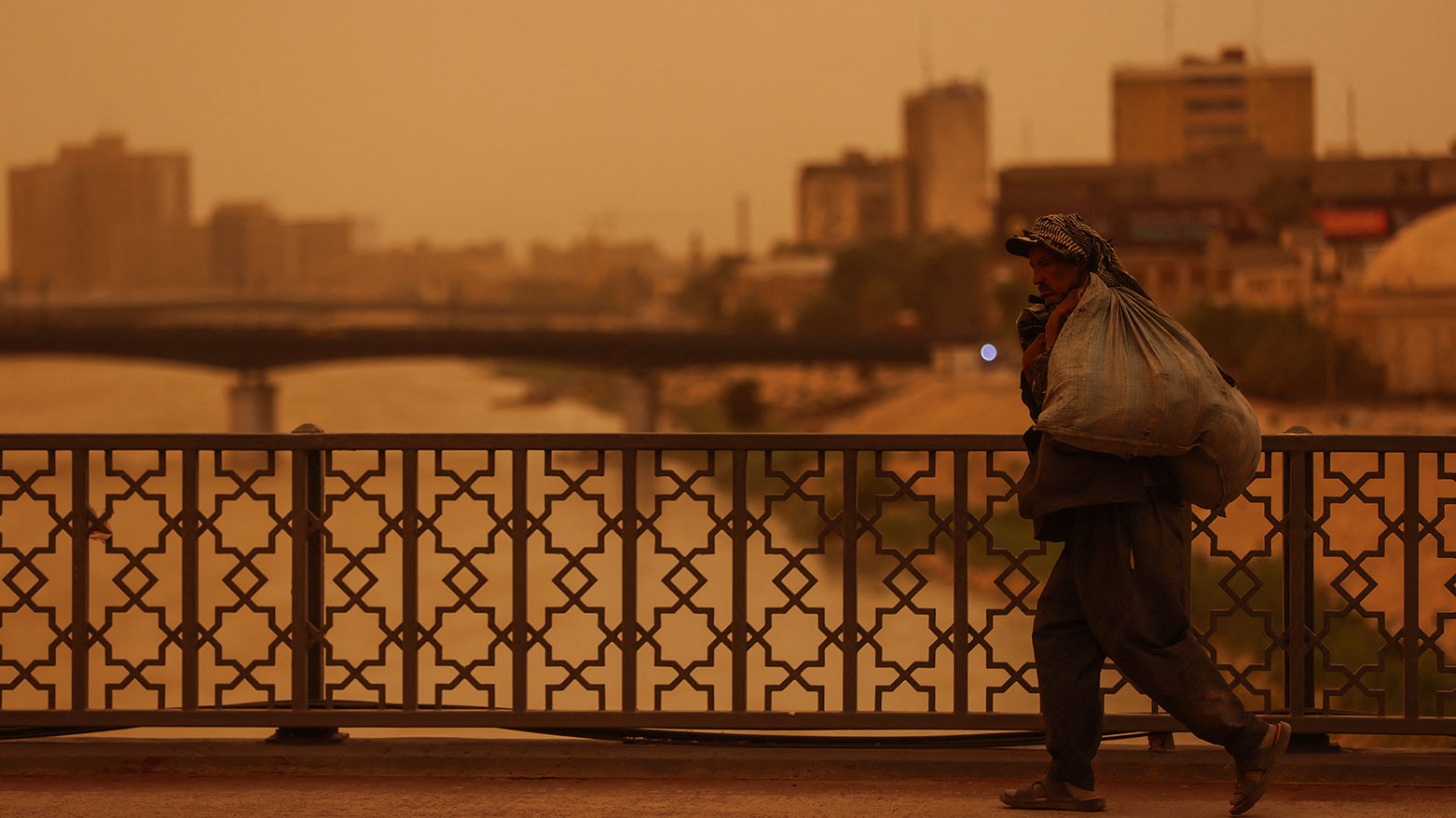
The current environmental and health crisis highlights a recurrent vulnerability in Iraq's public health infrastructure. Dust storms remain a profound and escalating challenge in the country, where drought and desertification continually degrade air quality.
According to previous reporting from Kurdistan24, the latest weather system severely disrupted daily life, triggering urgent warnings from meteorological authorities as the storm advanced from western Iraq toward the capital.
The resulting surge in respiratory emergencies underscores the direct relationship between deteriorating environmental conditions and the immediate pressure placed on emergency medical services, forcing authorities to adopt aggressive preparedness measures to mitigate public health risks.
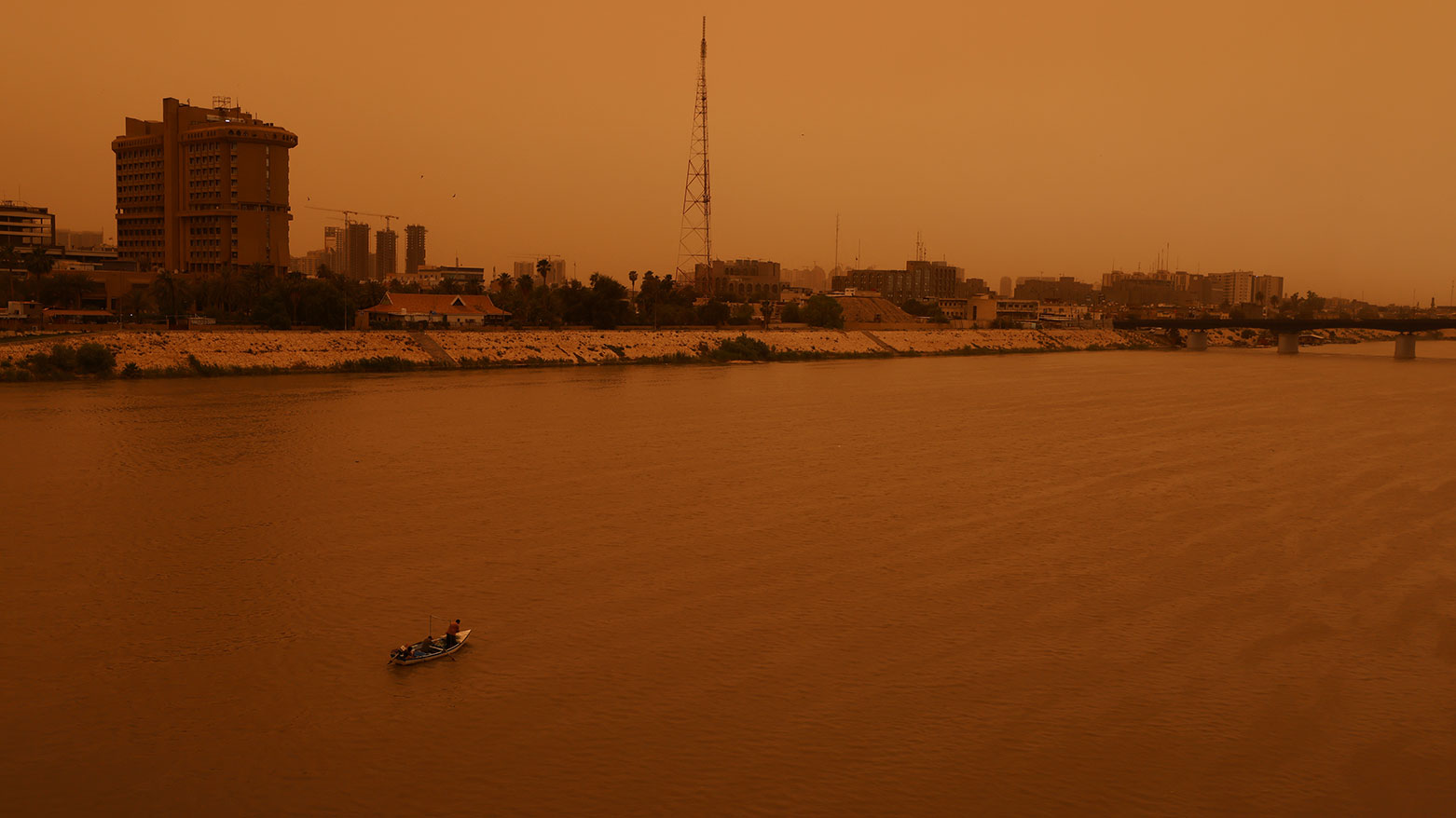
Health Ministry Issues Emergency Figures
The official medical statistics reflect the immediate impact of the atmospheric disturbance.
According to INA, the initial figure of 226 suffocation cases was compiled by the Directorate of Operations and Emergency Medical Services within the Ministry of Health.
The ministry indicated that these initial cases represent the immediate fallout from the dust wave, with a promise that more detailed statistics regarding the geographic distribution and severity of the cases will be announced at a later time.
In response to the influx of patients, the Health Ministry implemented specific operational directives for medical facilities.
According to the INA report, Minister al-Moussawi instructed all hospitals and health centers to ensure the immediate preparation of emergency wards and ambulance fleets.
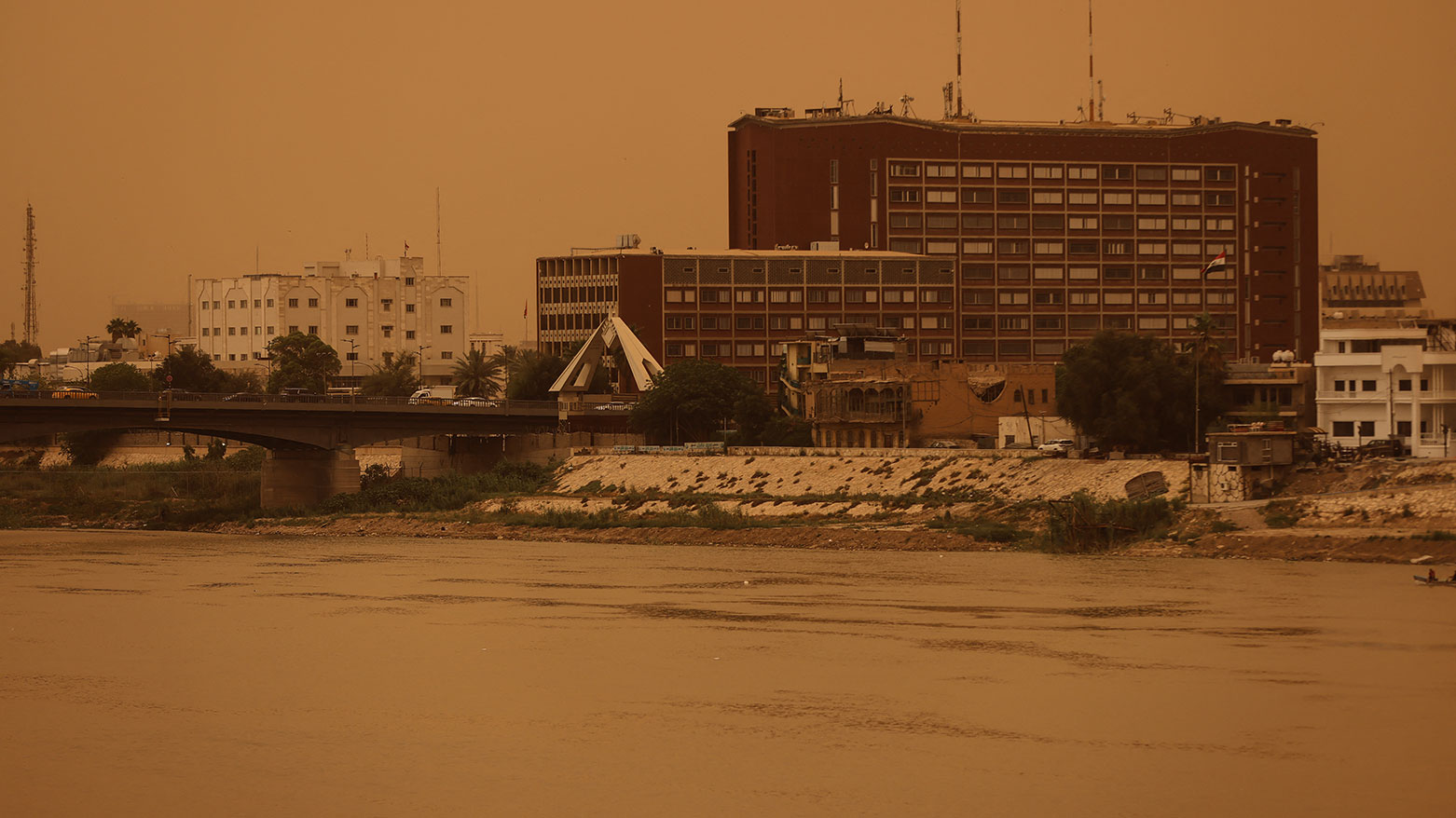
The ministry specifically ordered the stockpiling and rapid deployment of oxygen supplies, essential respiratory medicines, and relevant medical equipment.
Furthermore, the statement noted that health, medical, and nursing staff across the affected provinces were placed on high alert.
The mobilization of these personnel was prioritized to guarantee the rapid intake and treatment of individuals suffering from shortness of breath and other severe respiratory complications associated with dust inhalation.
According to INA, this heightened state of readiness is part of a preemptive strategy previously mandated by the minister to confront the effects of poor weather conditions around the clock.
Dust Storm Trajectory and Weather Conditions
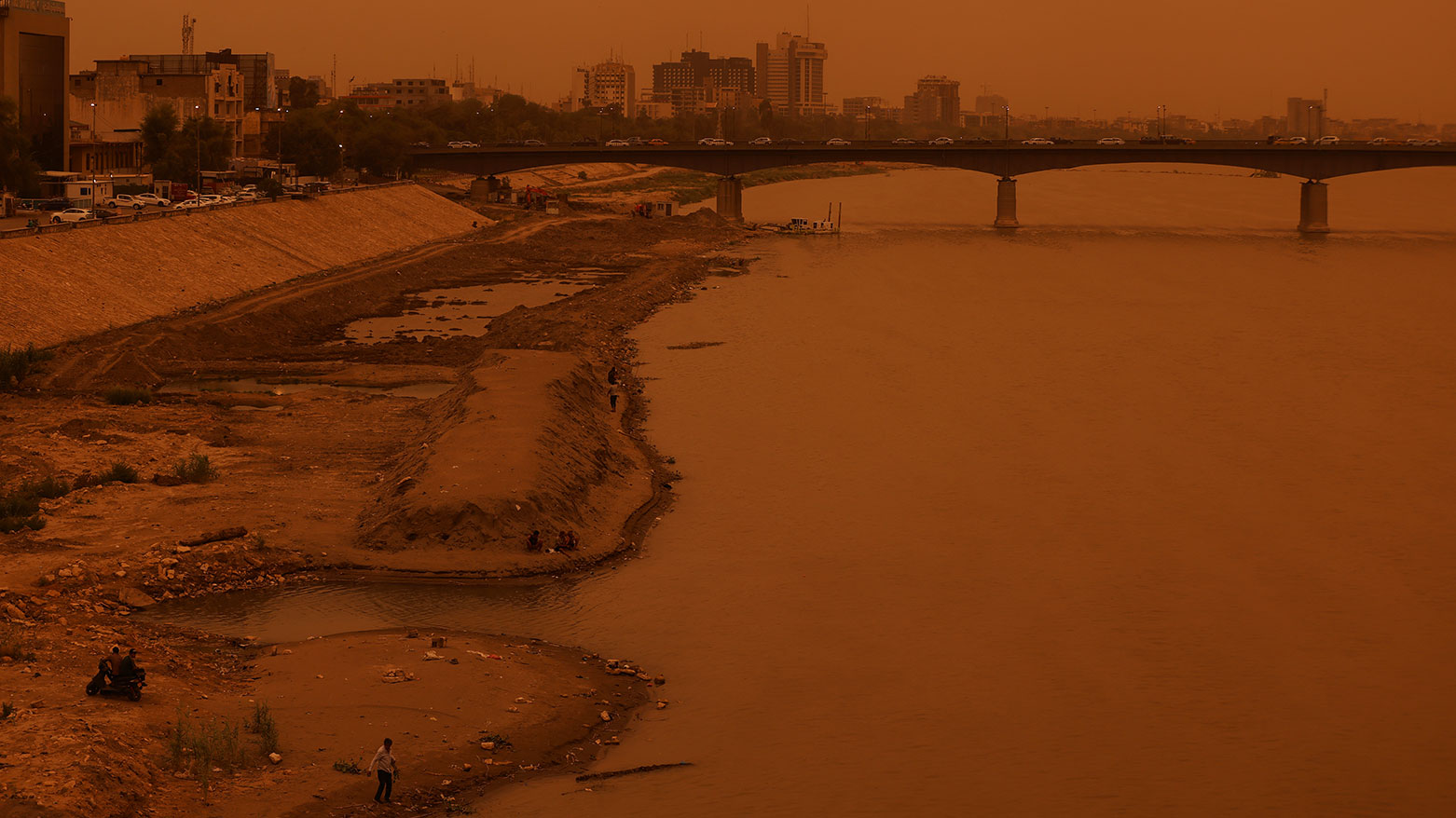
The medical emergency was precipitated by a powerful meteorological event originating in the country's western regions. According to an urgent warning issued by the Iraqi Meteorological Organization and Seismology, the severe dust storm began in Anbar province before sweeping eastward.
The meteorological report detailed the intensity of the storm's initial phase.
Authorities stated that wind speeds across large parts of Anbar were expected to reach between 80 and 90 kilometers per hour. These high-velocity winds dramatically reduced visibility, creating highly hazardous conditions for both motorists and individuals engaged in outdoor activities.
According to Iraqi weather authorities, the storm's trajectory placed Baghdad and several central and southern provinces directly in its path.
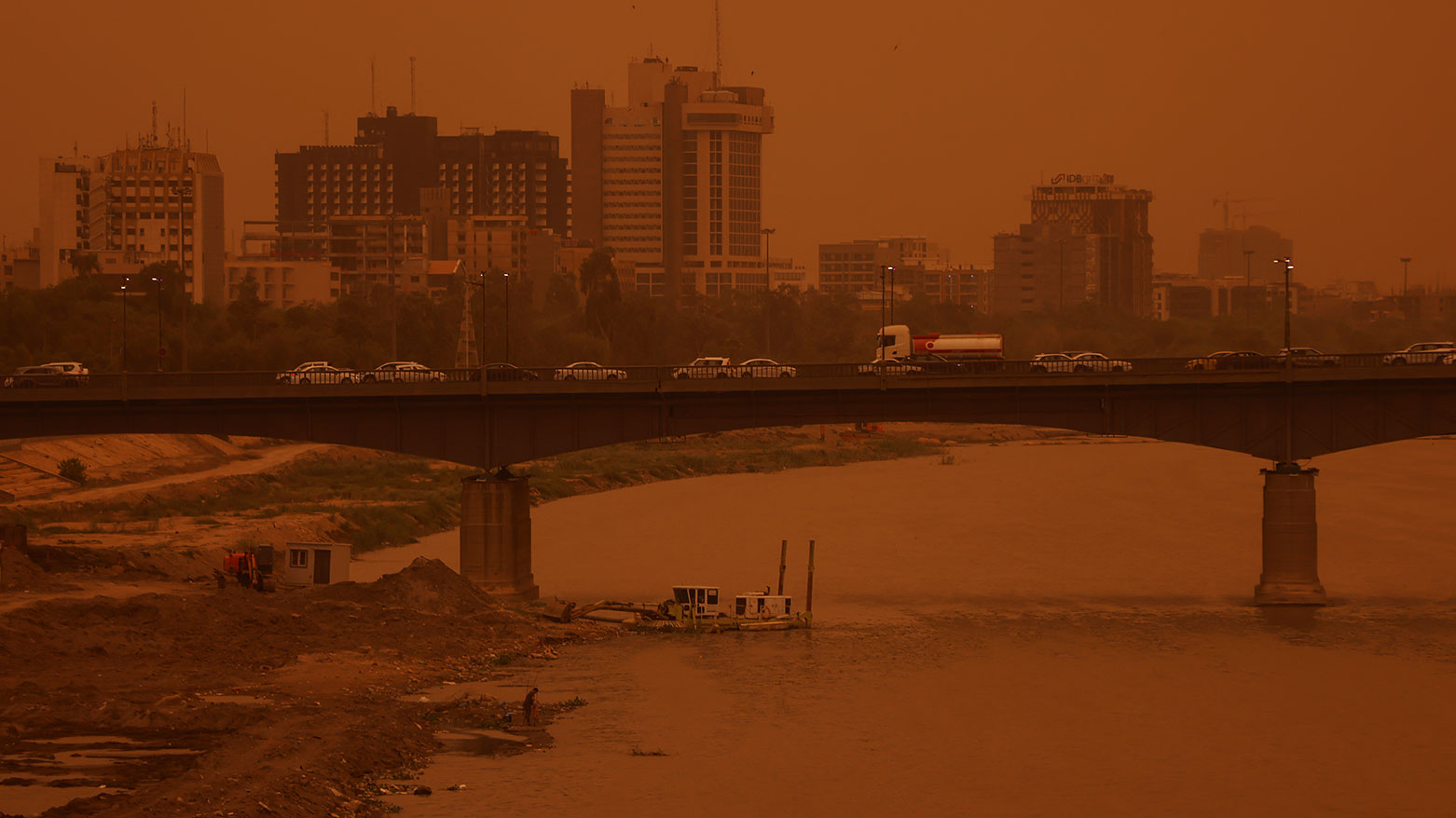
The organization cautioned that while the wind speeds were projected to decrease somewhat as the system moved into central and southern cities, a phenomenon attributed to low atmospheric pressure, the density of the suspended dust particles would remain extremely high.
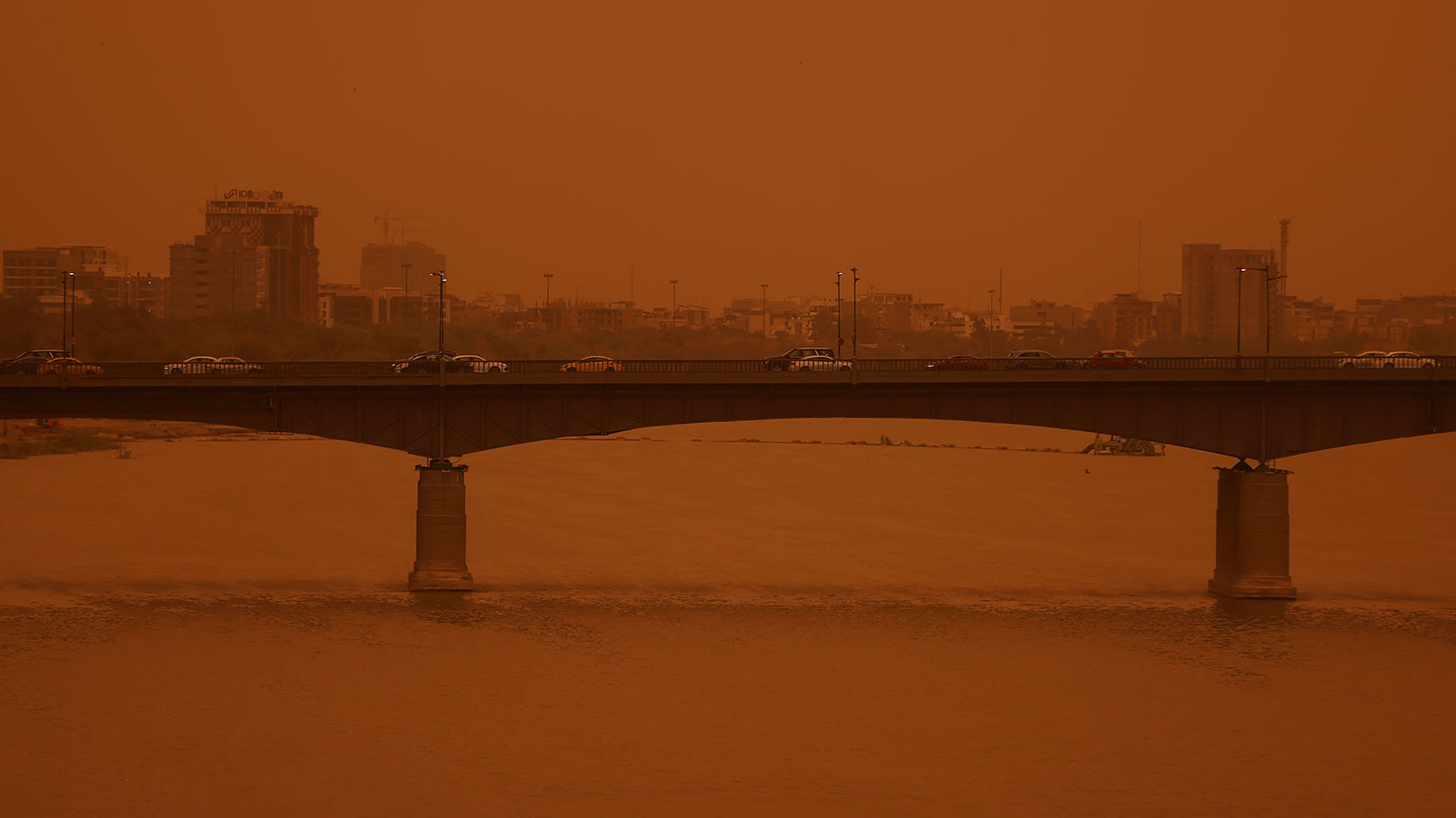
Meteorologists warned that visibility levels could decline sharply and suddenly, exacerbating the risks to public safety and transportation networks.
Public Health Risks and Medical Response
The primary concern for health officials during such environmental events is the immediate danger posed to vulnerable demographics.
While the INA report did not provide a demographic breakdown of the 226 suffocation cases, dust storms typically present the greatest risk to individuals with pre-existing respiratory conditions, the elderly, and children.
The sudden inhalation of fine particulate matter can trigger severe asthma attacks, exacerbate chronic obstructive pulmonary disease (COPD), and lead to acute respiratory failure.
To mitigate these risks, authorities prioritize preventative guidance alongside emergency treatment.
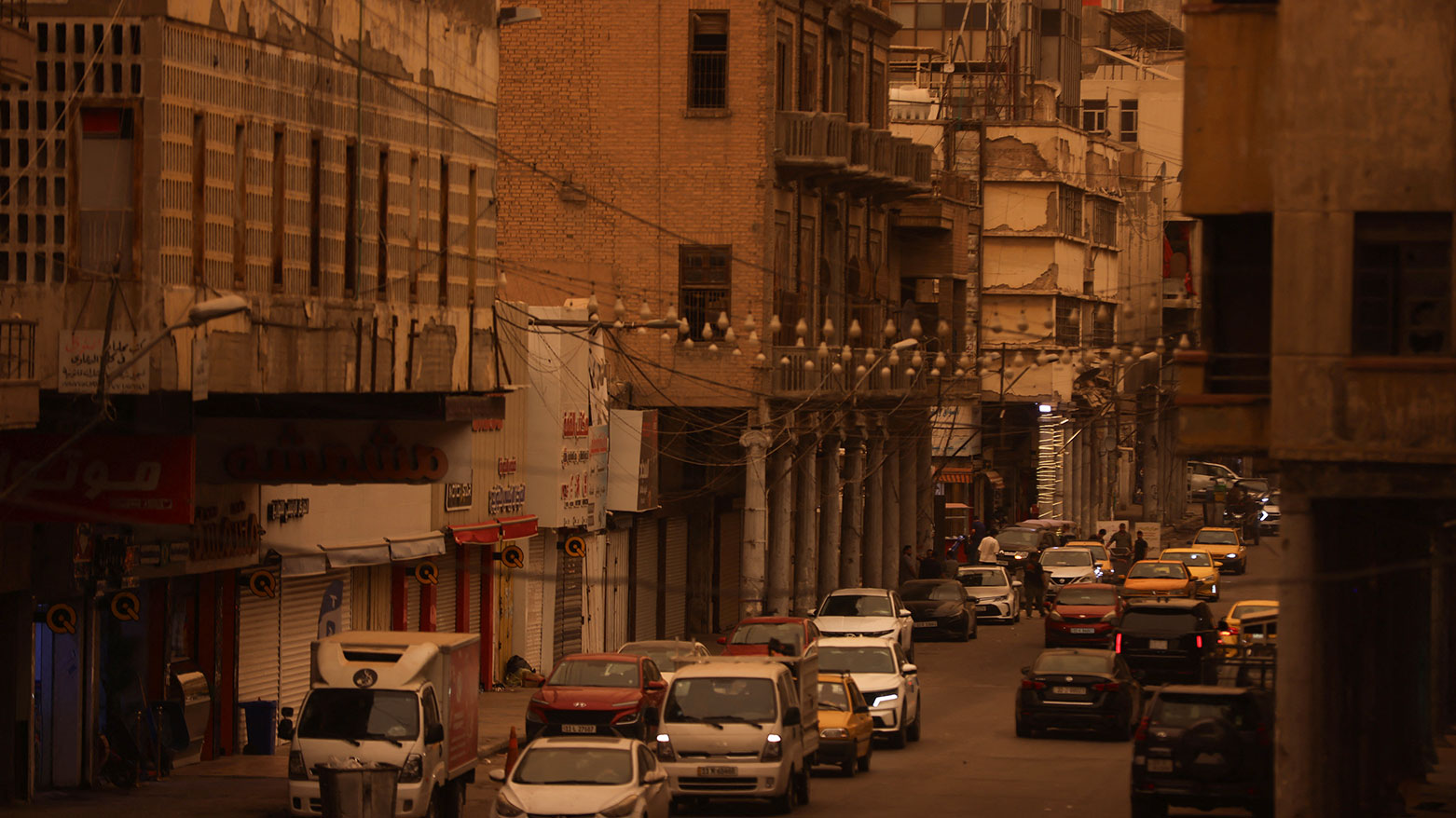
According to previous regional weather reports, Iraqi authorities routinely advise citizens to remain indoors during severe dust events, to wear protective masks if they must venture outside, and to avoid all unnecessary travel.
The mobilization of emergency wards and the specific directive to secure oxygen supplies, as reported by INA, reflect a medical system adapting to the high volume of acute respiratory distress cases that inevitably accompany these atmospheric phenomena.
Recurring Environmental Challenges
The dust wave that triggered Monday's medical mobilization is symptomatic of broader environmental shifts occurring across the region.
According to the meteorological background report, Iraq frequently experiences seasonal dust storms, particularly during the transitional spring months and the arid summer season.
These storms are primarily driven by long-term environmental degradation, including severe drought, decreasing rainfall, and expanding desertification.
In recent years, environmental experts and regional authorities have noted that climate change and persistent water shortages have intensified both the frequency and the severity of these storms.
The resulting atmospheric conditions not only reduce air quality to dangerous levels but routinely disrupt transportation and strain public services.
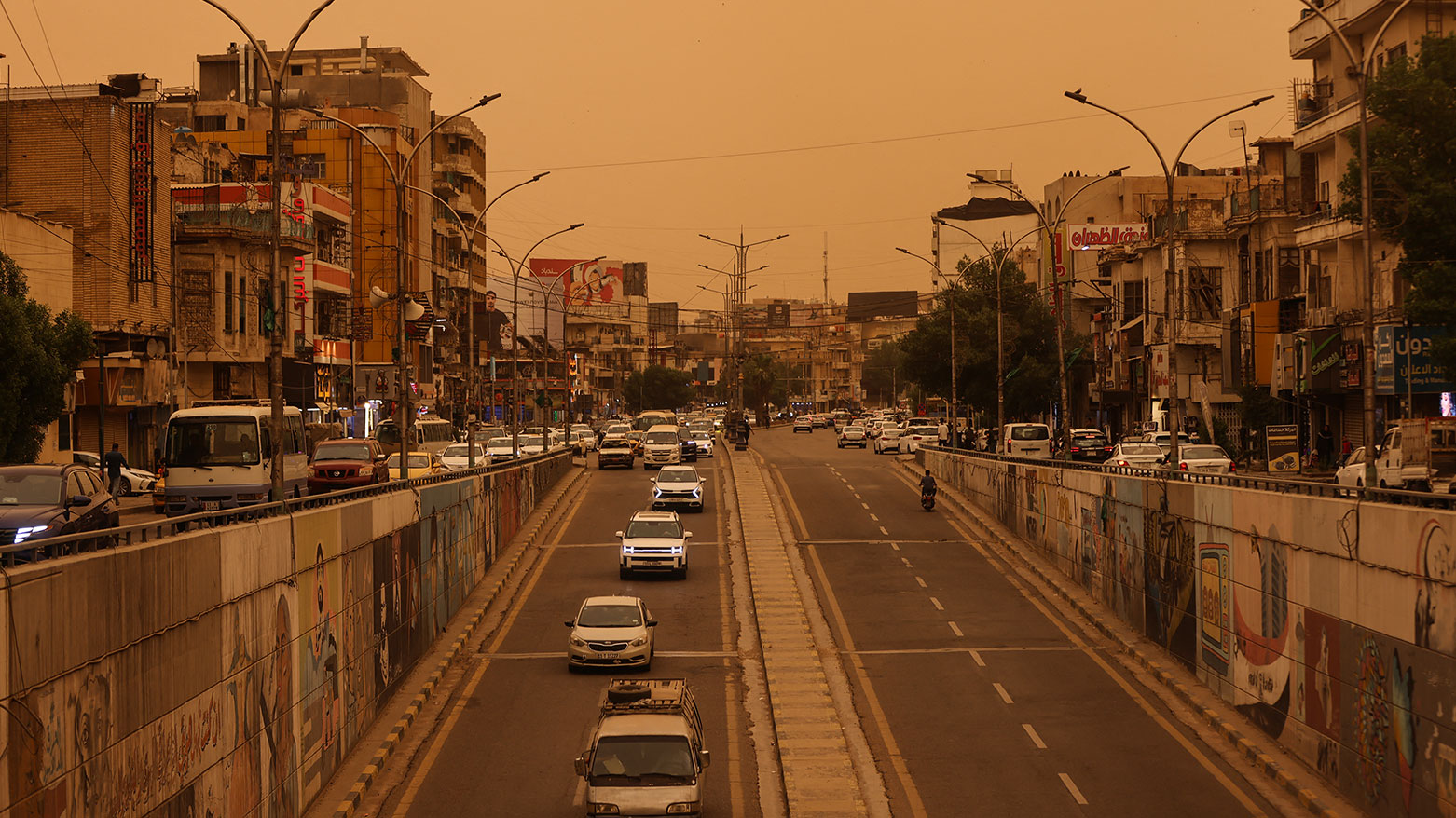
According to the Iraqi Meteorological Organization, even as the wind activity associated with the current storm was expected to weaken gradually during the evening and nighttime hours, lingering dust particles were predicted to persist in the atmosphere.
This lingering particulate matter ensures that the public health risks extend beyond the immediate passing of the storm front.
The recent surge in respiratory emergencies highlights how recurring severe dust storms continue to pose significant environmental and public health challenges for Iraq, requiring sustained institutional preparedness and robust emergency medical responses during periods of acute seasonal instability.