Iraqi FM Urges Regional Stability in Call With Iranian Counterpart
Iraqi Foreign Minister Fuad Hussein discussed stalled U.S.-Iran negotiations with Iranian counterpart Abbas Araghchi, stressing Baghdad's hope for an end to the war and renewed regional stability. The talks come as Washington weighs possible military action if diplomacy collapses.
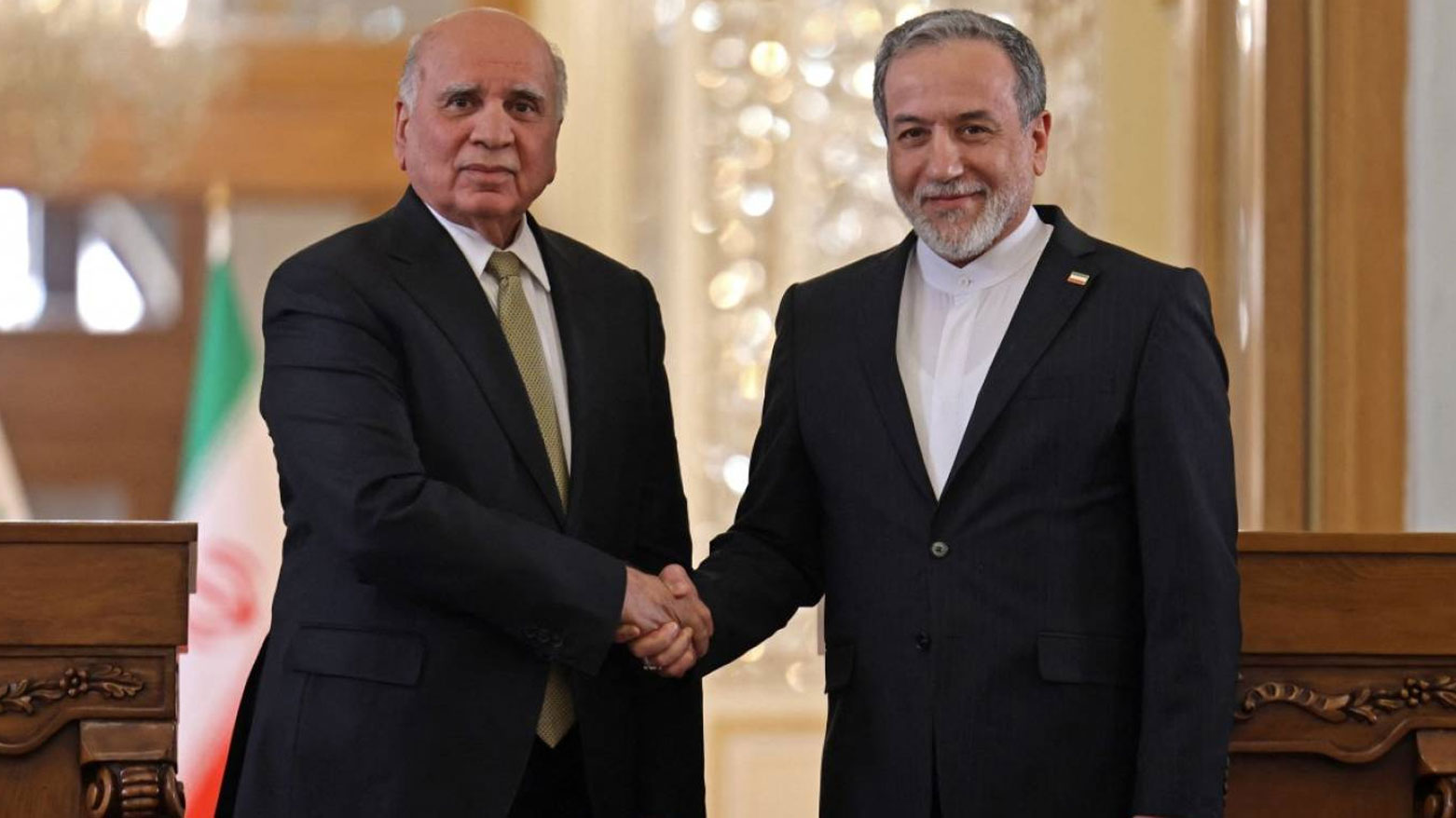
ERBIL (Kurdistan24) - Iraqi Foreign Minister Fuad Hussein held a high-level discussion with his Iranian counterpart, Abbas Araghchi, on Saturday to review the status of stalled negotiations between Tehran and Washington, expressing Iraq's hope for a definitive end to the ongoing war and a return to regional stability.
The diplomatic exchange comes at a critical juncture for the Middle East, as the Iraqi Foreign Ministry confirmed in a statement that Araghchi initiated the call to congratulate Hussein on his reappointment.
During the conversation, the Iranian Foreign Minister briefed Iraq's Foreign Minister Fuad Hussein on the latest developments regarding the dialogue with the United States, indicating that some progress had been achieved during the most recent round of talks.
Minister Hussein, representing a nation that has consistently sought to balance regional interests, emphasized that Baghdad is closely monitoring the situation in anticipation of a cessation of hostilities.
According to the Iraqi Media Office, Hussein praised Araghchi's diplomatic efforts and stressed the necessity of ending military operations in the Strait of Hormuz and lifting the existing blockades on Iranian ports to allow for a return to "normal life" for the peoples of the region.
Regional Mediation Efforts Intensify
The discussion between the two ministers highlighted the increasingly complex web of regional mediation.
Both sides underscored the significance of Pakistan's involvement, specifically praising the efforts of Field Marshal Asim Munir, the Chief of Army Staff of Pakistan, who arrived in Tehran on Friday.
They also noted the importance of Qatar's participation in the current diplomatic phase as mediators attempt to bridge the gap between Iranian demands and American expectations.
While Iraq maintains a hopeful stance, the broader context of the negotiations remains fraught with tension.
Iranian state media, including the semi-official Tasnim news agency, reported that while draft proposals are being exchanged, a final agreement remains elusive until all disputed issues are settled.
Tehran has maintained that its primary focus is the immediate conclusion of the war across multiple fronts.
Stalemate in Washington
The Iraqi-Iranian dialogue coincides with a period of significant uncertainty in Washington.
According to reporting by Axios journalist Barak Ravid, President Donald Trump has grown increasingly frustrated with the pace of diplomacy. U.S. officials told Axios that the negotiations have reached a "very exhausting" and "agonizing" stage, with no substantial breakthrough observed despite daily communication.
This frustration prompted President Trump to abruptly alter his schedule this weekend.
The White House announced that the President would return to Washington on Friday night instead of traveling to his New Jersey residence.
In a statement on his Truth Social account, Trump confirmed he would not attend the wedding of his eldest son, citing "circumstances pertaining to Government" and the necessity of remaining at the White House during this sensitive period.
According to U.S. officials briefed on the matter, Trump met with a senior national security team, including Vice President JD Vance and War Secretary Pete Hegseth, to weigh potential military options.
While no final decision on a return to war has been made, sources close to the administration told Axios that the President is considering a "decisive" military operation to settle the conflict if diplomacy fails.
A Fragile Regional Environment
The current crisis traces back to Feb. 28, 2026, when U.S. and Israeli airstrikes against Iranian targets triggered a series of retaliatory measures, including the closure of the strategic Strait of Hormuz by Tehran.
The subsequent U.S. blockade of Iranian ports on April 8 has since paralyzed regional shipping and heightened the risk of a broader conflagration.
As Baghdad monitors the situation, Foreign Minister Hussein reiterated that the end of military actions is the only viable path toward restoring order.
Despite the continued exchange of proposals, the regional atmosphere remains one of cautious uncertainty, with the window for a diplomatic resolution appearing to narrow as military deliberations continue in both Washington and Tehran.