'We're Not Close to a Deal': Iran Freezes Nuclear Talks as US Senator Calls for Return to Military Action
Tehran's foreign ministry declared Friday that a deal with Washington remains out of reach and that nuclear file discussions have been set aside entirely due to what it called excessive American demands
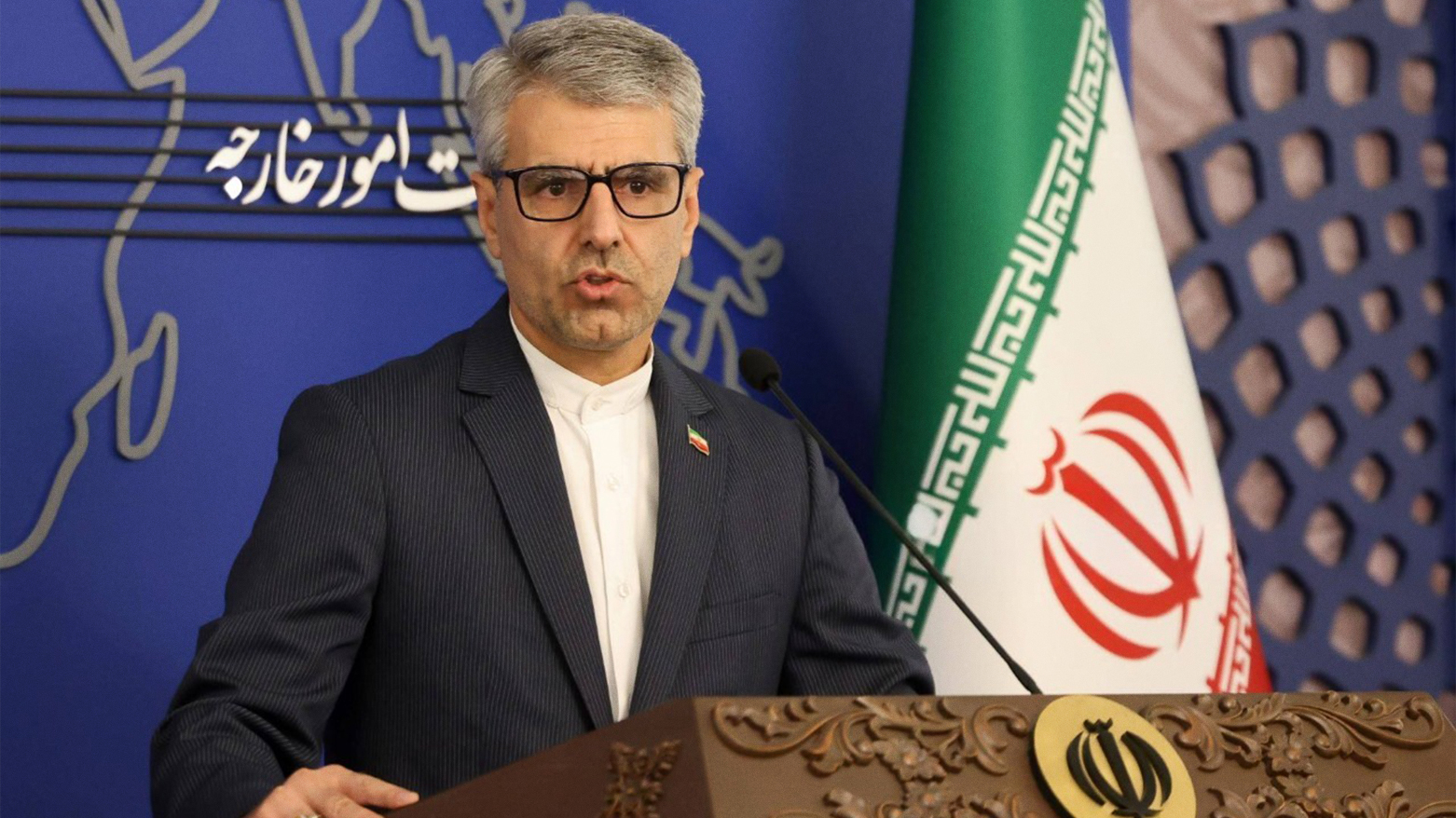
ERBIL (Kurdistan24) - On the same day that Pakistan's military chief flew to Tehran in a fresh push for a negotiated end to the conflict, Iran's foreign ministry and a senior Republican senator delivered two starkly opposing but equally sobering messages: Tehran says a deal is not close, and at least one powerful voice in Washington does not want one at all.
Esmail Baghaei, spokesperson for Iran's Ministry of Foreign Affairs, said Friday that despite ongoing diplomatic movement, it cannot yet be said that an agreement with the United States is within reach. He said the differences between Tehran and Washington are deep and wide — particularly in light of events over the past two to three months.
"Diplomacy is a process that takes time," Baghaei said. "It cannot be said that with a few visits over a few weeks or months we will reach a conclusion. Both sides are only conveying their own viewpoints."
He was explicit about Iran's current priorities. At this stage, he said, Tehran's focus is solely on ending the war across its various fronts — particularly in Lebanon and at the Strait of Hormuz. As for the nuclear file, Baghaei confirmed that due to what he described as "excessive American demands," detailed discussions on the atomic dossier have been set aside entirely.
On the role of mediators, Baghaei said the presence of senior Pakistani officials in Tehran — including Field Marshal Asim Munir, commander of Pakistan's armed forces — signals that the talks have reached a turning point. He clarified that while a Qatari delegation has also visited Tehran to help reduce tensions, Pakistan remains the primary and official channel for the negotiations.
While diplomats shuttled between capitals, a sharply different view was taking shape in Washington. Roger Wicker, the Republican senator who chairs the Senate Armed Services Committee, issued a formal statement Friday criticising the current direction of the Trump administration and calling for a return to military action.
"President Trump is being given bad advice to push toward a deal with Tehran," Wicker said. "The truth is that the operation he began against Iran should continue until the mission is complete."
Wicker argued that the time had come to allow US armed forces to finish what they started, citing the need to fully dismantle Iran's military capabilities and reopen the Strait of Hormuz — which he described as both a security and strategic necessity.
He went further, warning that continued pursuit of a negotiated settlement could send the wrong signal. "We are at a decisive moment that will define President Trump's legacy," Wicker said. "Further efforts toward a deal with Iran risk projecting an image of weakness."
His remarks directly contradicted the administration's posture, with Wicker accusing Trump of receiving "misleading advice" steering him toward an agreement he characterized as unworthy of the effort invested.
The competing pressures come against a backdrop of intensive behind-the-scenes activity. On Wednesday, May 20, Iran's Tasnim news agency reported, citing a source close to Tehran's negotiating team, that the United States had sent Iran a new draft of its proposals through Pakistani mediation — a response to Iran's 14-point proposal. The same day, Axios reported a lengthy and tense phone call between President Trump and Israeli Prime Minister Benjamin Netanyahu, revealing a deep disagreement between the two leaders over how to bring the war to an end.
According to Axios, Trump informed Netanyahu that regional mediators, Qatar and Pakistan, were working on a good-faith letter intended to be signed by both Washington and Tehran, with the aim of formally ending hostilities and launching a 30-day negotiating period covering sensitive issues including Iran's nuclear program and the reopening of the Strait of Hormuz.
On Monday, May 18, Reuters reported, citing a Pakistani source, that Islamabad had conveyed a new draft of Iran's positions to the United States, but warned that both sides have little time remaining to bridge their differences.