Baghdad Talks Highlight Growing Coordination Between Erbil and Iraqi Political Forces
Iraqi political figures praised Kurdistan Region Prime Minister’s Baghdad meetings, describing them as a sign of successful diplomacy and stronger political coordination between Erbil and Baghdad
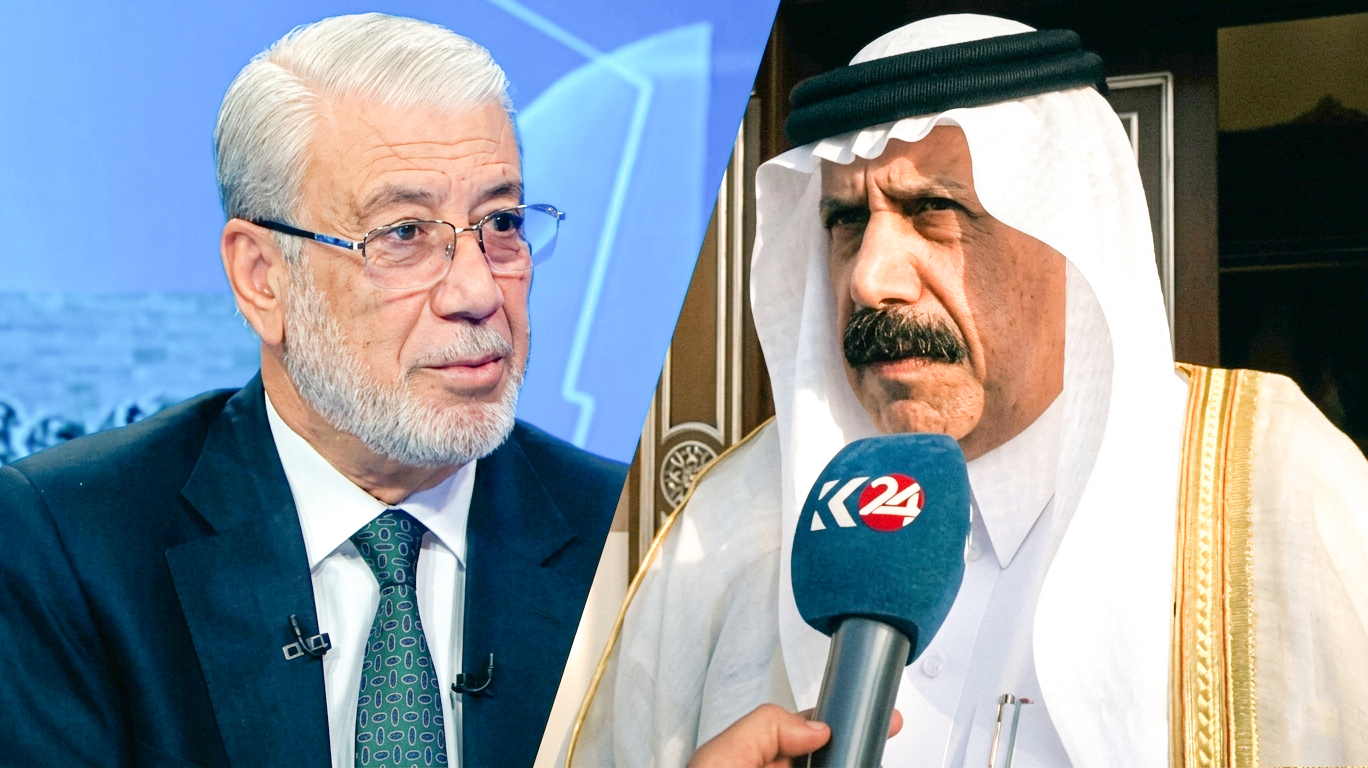
ERBIL (Kurdistan24) - Iraqi political figures on Saturday praised Kurdistan Region Prime Minister Masrour Barzani’s ongoing visit to Baghdad, describing the talks as “highly successful” and an indication of the Kurdistan Region’s growing diplomatic influence in efforts to resolve longstanding disputes with the federal government.
Eyad al-Jubouri, a lawmaker from the Azm Alliance, said Prime Minister Barzani’s visit and meetings with Iraqi leaders focused on strengthening political relations and supporting the government of Iraqi Prime Minister Ali al-Zaidi during the coming phase.
“Masrour Barzani’s visit to Baghdad was highly successful,” al-Jubouri told Kurdistan24 in an interview. “Our discussions emphasized strengthening relations and supporting Ali al-Zaidi’s government for the next stage.”
Al-Jubouri said one of the key issues discussed during the meetings was resolving disputes that remained from previous parliamentary sessions, particularly the issue of the five remaining ministerial positions in Iraq’s government formation process.
“There is an agreement for the main parties — the Kurdistan Democratic Party, the State of Law Coalition, and the Azm Alliance — to meet before the next parliamentary session in order to reach a positive outcome that serves the interests of both Iraq and the Kurdistan Region,” he stated.
The Azm Alliance lawmaker also praised the Kurdistan Region Government’s position toward Iraq’s political and humanitarian challenges.
“Honestly, the Kurdistan Region Government has taken a very honorable stance that nobody can deny, especially regarding the liberated provinces and supporting the Iraqi people in general,” al-Jubouri added.
‘A sign of successful diplomacy’
Former Iraqi Parliament Deputy Speaker Bashir Haddad also described Barzani’s visit as a clear indication of the Kurdistan Region’s diplomatic success in addressing unresolved issues with Baghdad.
“With the formation of Iraq’s new cabinet, a new phase in governance has begun,” Haddad told Kurdistan24.
He said one of the priorities of the Kurdistan Region Government’s ninth cabinet has been managing relations with Baghdad on the basis of the Iraqi constitution and reinforcing the principles of genuine partnership to ensure that all Kurdish constitutional rights are implemented.
Haddad added that previous Iraqi governments had failed to fully implement constitutional obligations toward the Kurdistan Region.
“The Kurdistan Region has always tried to resolve disputes through a return to the constitution, but until now there has not been serious political will in Baghdad to achieve this goal,” he said.
He stressed that the Kurdistan Region’s approach is based on three main principles: the Iraqi constitution, political agreements, and the principles upon which Iraq’s post-2003 political process was established.
Barzani’s visit to Baghdad has included a series of high-level meetings with Iraqi political and judicial leaders aimed at strengthening dialogue and political coordination.
Earlier on Saturday, the Kurdistan Region Prime Minister met with Iraqi Prime Minister Ali al-Zaidi, Parliament Speaker Haibat al-Halbousi, Iraqi Supreme Judicial Council President Judge Faiq Zaidan, Abdulhussein al-Moussawi, head of the Nahj Alliance, and Muthanna al-Samarrai, head of the Azm Alliance.
Previous meetings during the visit focused on constitutional dialogue, judicial independence, political cooperation, and resolving disputes between Erbil and Baghdad through constitutional mechanisms.
The meetings have also addressed regional developments, political challenges, and efforts to complete Iraq’s cabinet formation process.
The Baghdad visit has widely been described as a goodwill initiative aimed at resolving outstanding disputes between the Kurdistan Region and the federal government through dialogue and respect for the Iraqi constitution.