Nearly 20 Million Sudanese Face Hunger as Input Costs Surge, Reuters Reports
Sudan's farming sector is collapsing as Iran-war-driven fuel and fertilizer price spikes compound civil war damage. Farmers can't afford inputs, risking major cuts in sorghum and millet planting. UN warns production may fall 40%, deepening famine risk for millions.
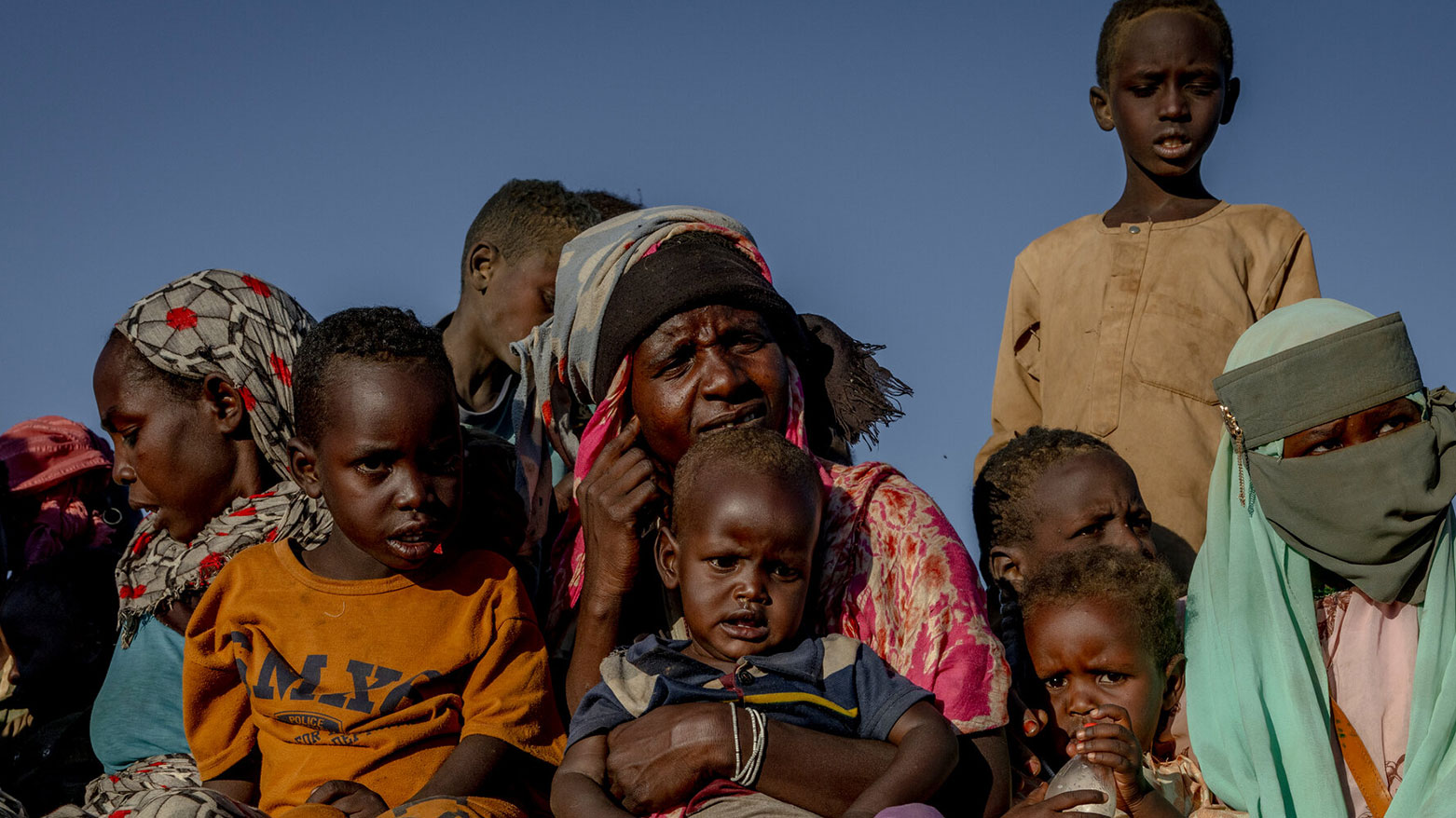
ERBIL (Kurdistan24) - Sudan's agricultural heartlands are facing a catastrophic contraction as the fallout from the Iran war drives global fuel and fertilizer prices to record highs, compounding the devastation of the country's own protracted civil war.
According to a Reuters report by El Tayeb Siddig, Nafisa Eltahir, and Khalid Abdelaziz on Tuesday, Sudanese farmers warn that the soaring cost of essential inputs will force a drastic reduction in planting this summer, threatening a total collapse of food security in a nation already on the brink of famine.
The intersection of regional geopolitical volatility and domestic instability has created a "double pressure" on the sector that employs two-thirds of the Sudanese population.
With the planting season now underway, the inability of farmers to afford basic supplies is expected to lead to a sharp decline in the production of staple crops like sorghum and millet, as well as vital exports such as sesame.
Global Shock, Local Hunger
The regional conflict involving Iran has sent shockwaves through global commodity markets, but Sudan remains uniquely exposed to these fluctuations.
U.N. data cited by Reuters indicates that Sudan relies on the Gulf region for more than 50% of its fertilizer requirements.
Furthermore, the three-year domestic conflict between the Sudanese army and the paramilitary Rapid Support Forces (RSF) has destroyed domestic refining capacity, leaving the nation almost entirely dependent on expensive fuel imports.
This vulnerability comes at a time of unprecedented humanitarian need. About 19.5 million people, over 40% of the population, are currently facing crisis levels of hunger.
U.N.-backed monitors have warned that several regions are at imminent risk of famine as international aid budgets shrink and global food prices rise.
Farmers Under Double Pressure
In the Jamuia agricultural scheme in southern Omdurman, farmers who recently saw the removal of RSF forces from their land had hoped for a productive season.
However, economic realities have dampened those expectations.
National surveys show that fertilizer prices have jumped 67% year-on-year, while the price of diesel required to run irrigation pumps has more than doubled.
"At that price we don't make a profit, you spend your whole profit on the diesel," farmer Bashir Ismail told Reuters.
The impact of these costs is visible in the fields; Omar al-Ebeid, secretary for the scheme's farmers' committee, noted that only 500 out of 10,000 feddans have been planted halfway into the season.
War Economy and Agricultural Collapse
The internal struggle for control of the Kordofan and Gezira regions between the army and RSF has further paralyzed the sector.
In the Gezira scheme, which traditionally produces half of Sudan's wheat and sorghum, infrastructure remains broken despite the withdrawal of paramilitary forces over a year ago.
Mohamed Balla, head of a Gezira farmers' collective, told Reuters that the price of harvested crops has remained stagnant while input costs have soared.
"Two sacks of wheat buy you one sack of urea. So we won't grow it again," Balla said, highlighting the lack of incentive for farmers to continue production.
Institutional Strain and Aid Gaps
Sudan's state-backed Agricultural Bank, intended to finance farming activities, is currently struggling under the weight of the national financial collapse.
Farmers allege the bank has priced inputs too high while offering low returns for products, driving many into a cycle of debt.
While Fatma Yousif, the Agriculture Ministry's director for agricultural production, told Reuters that the government is attempting to establish a new finance fund and rehabilitate irrigation canals, these efforts are severely limited by a national budget that has been decimated in favor of the war effort.
Lawlessness and Looted Machinery
In the western states of Darfur and Kordofan, continued lawlessness remains the primary barrier to production.
Farmers displaced by the fighting report that agricultural machinery has been looted in raids, while farmhands have been recruited into the warring factions.
Mohamed Adam, a displaced farmer, told Reuters that "RSF and other gangs" frequently loot crops and demand extortionate payments at checkpoints.
Khalid Abdellatif, director at CTC Group, a major agricultural supplier, emphasized that the risk and cost of transporting supplies into these volatile regions have made subsistence farming nearly impossible.
A Deepening Food Crisis
The convergence of these factors suggests a grim outlook for Sudan’s upcoming harvest.
Sadig Elamin, a senior food security analyst for the U.N. Food and Agriculture Organization (FAO) in Sudan, warned that overall production could fall by "not less than 40%."
With domestic war already having reduced cereal production by a quarter, the added shock of the Iran conflict acts as "salt to the wound."
Without a significant diplomatic or economic intervention, the combined impact of global price spikes and local violence threatens to push Sudan's hunger crisis well beyond its current manageable limits, potentially cementing a historic famine.