Study Finds Kurdistan Honey Has Potential to Compete Globally
Othman, a PhD student and researcher, shared the findings in an exclusive interview with Kurdistan24, saying that her research demonstrated that Kurdistan honey contains high levels of antioxidants and antibacterial compounds, which can help strengthen the immune system.
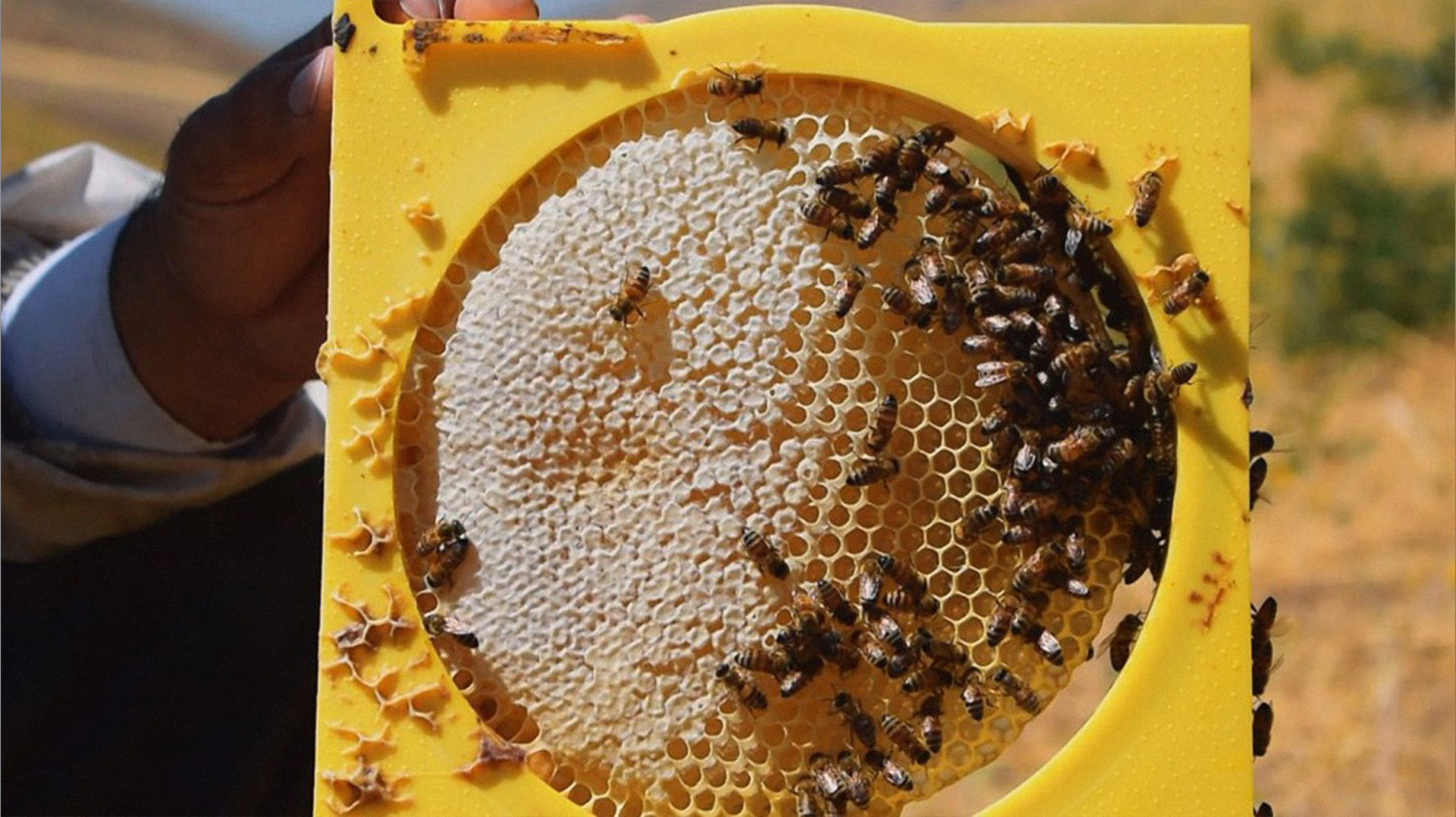
ERBIL (Kurdistan24) – A new scientific study has found that honey produced in the Kurdistan Region possesses strong medicinal properties and could compete with some of the world's highest-quality honey, according to researcher Belan Othman.
Othman, a PhD student and researcher, shared the findings in an exclusive interview with Kurdistan24, saying that her research demonstrated that Kurdistan honey contains high levels of antioxidants and antibacterial compounds, which can help strengthen the immune system.
"This research is not merely a collection of data; it is a scientifically validated introduction of Kurdish honey to research centers and international markets," she said.
The study also found that honey from the Kurdistan Region outperformed New Zealand's renowned Mānuka honey in certain characteristics. Mānuka honey is widely regarded as one of the world's most valuable and sought-after varieties due to its medicinal properties.
"This is undeniable evidence of the high quality of Kurdistan honey," Othman said. "However, we need advanced and internationally accredited laboratories so that our products can obtain global certification."
She attributed the quality of Kurdistan honey to the region's rich biodiversity and natural environment, noting that further research is needed to identify the specific plant species responsible for its beneficial compounds.
Othman emphasized that internationally accredited laboratories are essential to scientifically verify the quality of locally produced honey and enable it to meet global certification standards. She called for the establishment of government-supported laboratories staffed by specialists to provide reliable certification for beekeepers and help promote Kurdistan honey internationally through marketing and social media.
The researcher also highlighted the financial challenges of conducting advanced scientific studies, particularly as a parallel-study PhD student. She thanked AwaMedica for providing access to standard laboratory facilities that supported her research.
As part of her recommendations, Othman urged beekeepers to avoid using chemical pesticides to protect bee health and preserve honey's natural properties. She also advised against feeding bees artificial sugar, saying natural feeding practices produce higher-quality honey with stronger medicinal characteristics.
She further stressed the importance of storing honey under appropriate conditions to preserve its beneficial properties and confirmed that she plans to continue her research.
The study presents Kurdistan honey as a product with significant medicinal and commercial potential while underscoring the need for internationally recognized testing and certification to help local producers gain access to global markets.
