Iran Refuses Talks on Enriched Uranium, Signals New Strait of Hormuz Shipping Rules
“The issue of Iran’s enriched uranium stockpile is in no way part of our current negotiations agenda,” he said, describing the matter as one of Tehran’s “red lines.”
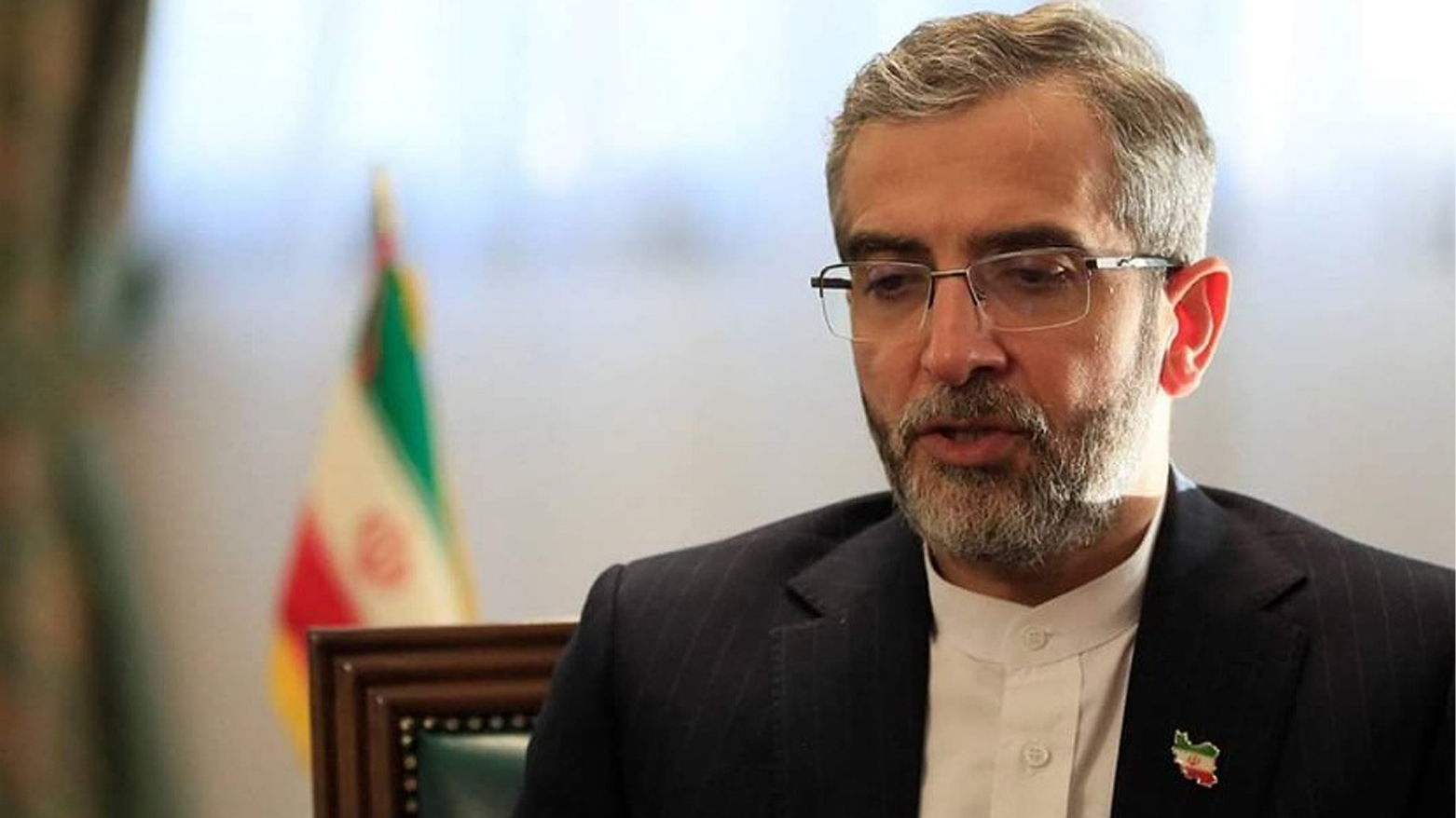
ERBIL (Kurdistan24) — Ali Bagheri Kani, Deputy Secretary of the Supreme National Security Council, announced on Wednesday that Tehran is not prepared to negotiate over its stockpile of enriched uranium, while also warning that shipping procedures through the Strait of Hormuz will change following the recent conflict in the region.
Speaking to reporters on the sidelines of the 14th International Meeting of High Representatives for Security Issues in Moscow, Bagheri Kani said indirect contacts between Tehran and Washington are continuing. However, he stressed that Iran’s enriched uranium reserves remain outside the scope of the current negotiations.
“The issue of Iran’s enriched uranium stockpile is in no way part of our current negotiations agenda,” he said, describing the matter as one of Tehran’s “red lines.”
Addressing maritime security and regional tensions, the Iranian official said Iran and Oman are working together to establish a new mechanism governing shipping traffic through the Strait of Hormuz, a vital global energy corridor.
Bagheri Kani warned that maritime operations in the waterway would not return to previous norms, stating that “shipping procedures in the Strait of Hormuz after the war will be completely different from the procedures that existed before the outbreak of the armed conflict.”
He also reiterated Tehran’s negotiating position, emphasizing that no final agreement would be considered reached unless all disputes are resolved comprehensively.
“Until we agree on everything, we have not agreed on anything,” Bagheri Kani said.
The remarks underscore Iran’s continued hardline stance on key strategic issues despite ongoing diplomatic contacts with the United States, particularly regarding its nuclear stockpile and influence over one of the world’s most critical shipping routes.