Kurdistan Region Positions Itself as a Middle Eastern Investment Haven
Why are Gulf investors increasingly looking toward Kurdistan? Behind the headlines lies a mix of legal incentives, regional ambition, and a surprising new trade connection that could reshape the Region's economic future.
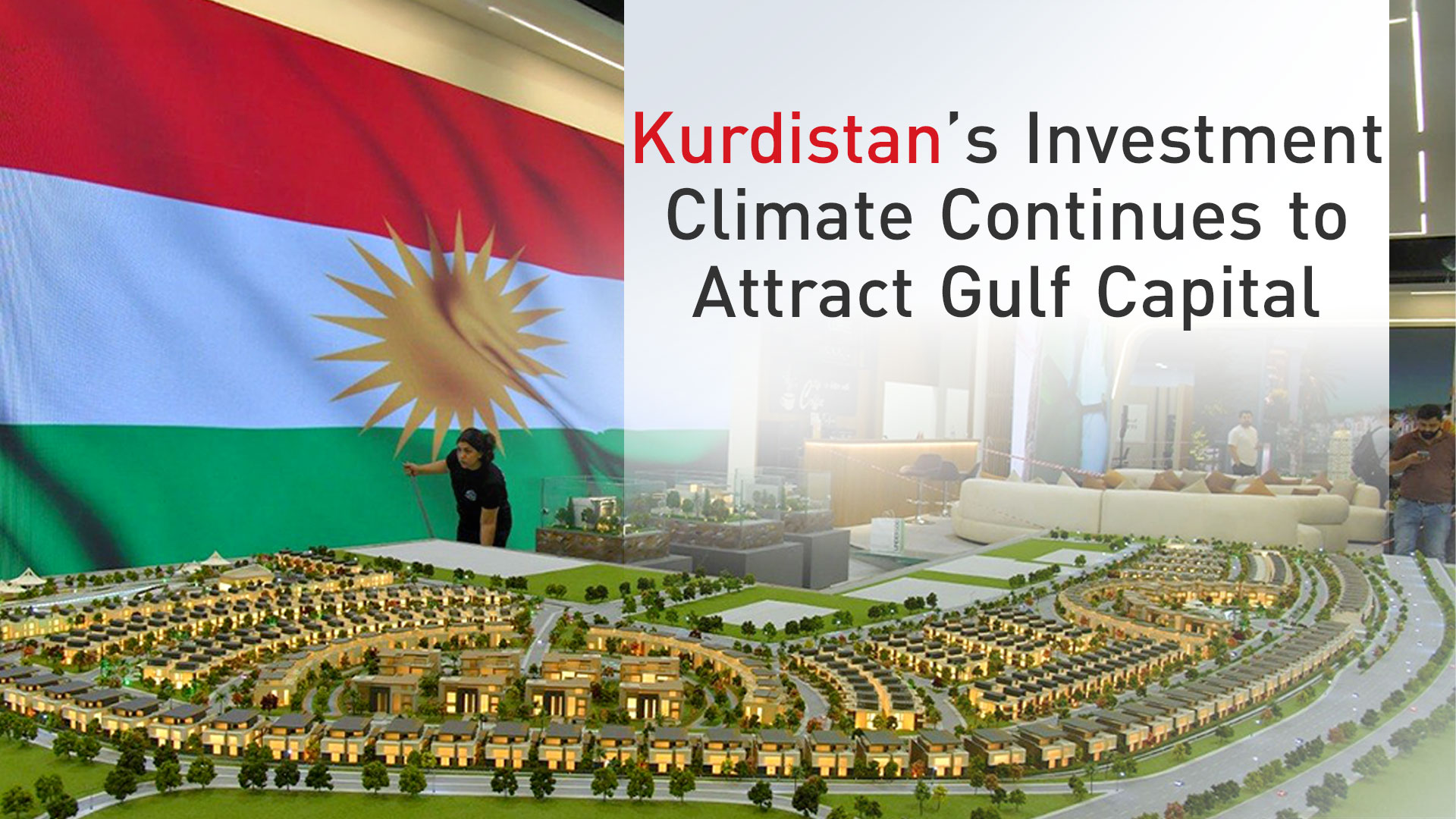
ERBIL (Kurdistan24) - In the bustling corporate corridors of Erbil, a subtle but profound economic realignment is underway. As competition for foreign capital accelerates across the Middle East, a growing contingent of financiers from the Arabian Gulf is turning its gaze northward. For these investors, the Kurdistan Region is no longer viewed merely as a localized market, but as a highly strategic commercial crossroads capable of connecting the Gulf with Iraq, Türkiye, Central Asia, and Europe.
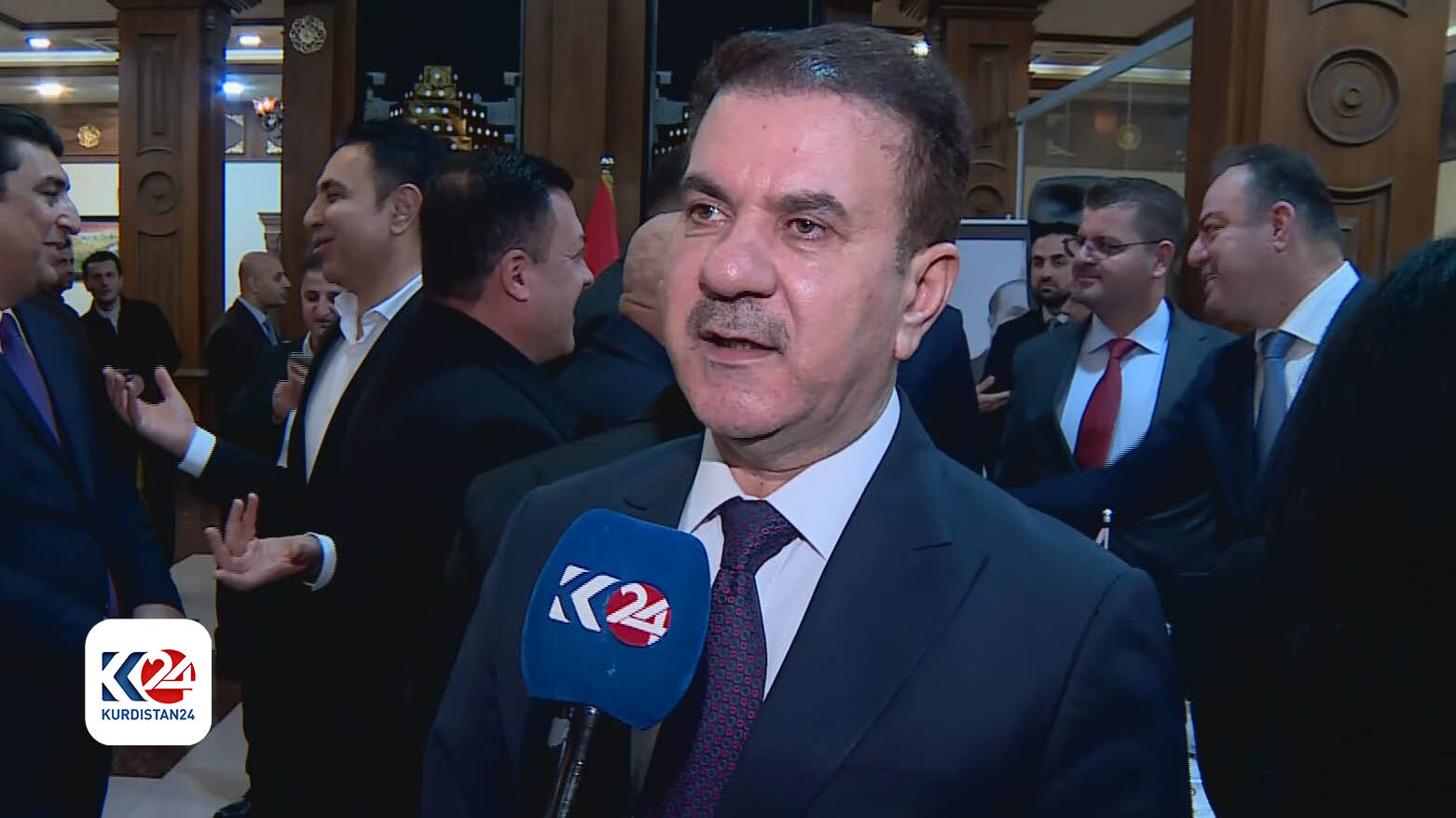
According to a recent report highlighting this inward flow of wealth, business leaders from the United Arab Emirates, Saudi Arabia, Qatar, and Bahrain are actively scouting the region for major opportunities. Head of the Erbil Chamber of Commerce and Industry, Gaylan Haji Saeed, recently confirmed to Kurdistan24 that international corporate interest is surging.
This influx signals a broader regional shift: as wealthy Gulf nations aggressively diversify their own economies beyond petroleum, they are hunting for emerging markets that offer a rare combination of geographic advantage and legal certainty.
The Numbers Behind the Momentum
The data underlying this trend illustrates a rapidly maturing economy. Over the past seven years, the Kurdistan Region has absorbed more than $22 billion in total investment. Crucially, over $5.1 billion, more than 23 percent of that total, has originated from foreign sources, with Erbil province capturing the lion’s share of international capital.
Currently, Chinese enterprises dominate the foreign investment landscape, having injected roughly $4.9 billion into the local economy. They are followed by a diverse portfolio of backers from France, Lebanon, Türkiye, Egypt, the UAE, and Syria.
However, local business leaders anticipate a significant recalibration. Saeed noted that the UAE is expected to rapidly ascend these financial rankings in the near future, with other Gulf states mobilizing to join the list of top investors.
Why Kurdistan Is Drawing Attention
The factors driving this capital migration extend beyond simple geography.
While the region’s physical location offers unparalleled access to the broader Iraqi consumer base and the Turkish industrial corridor, it is the comparative stability of the Kurdistan Region that appeals to institutional investors.
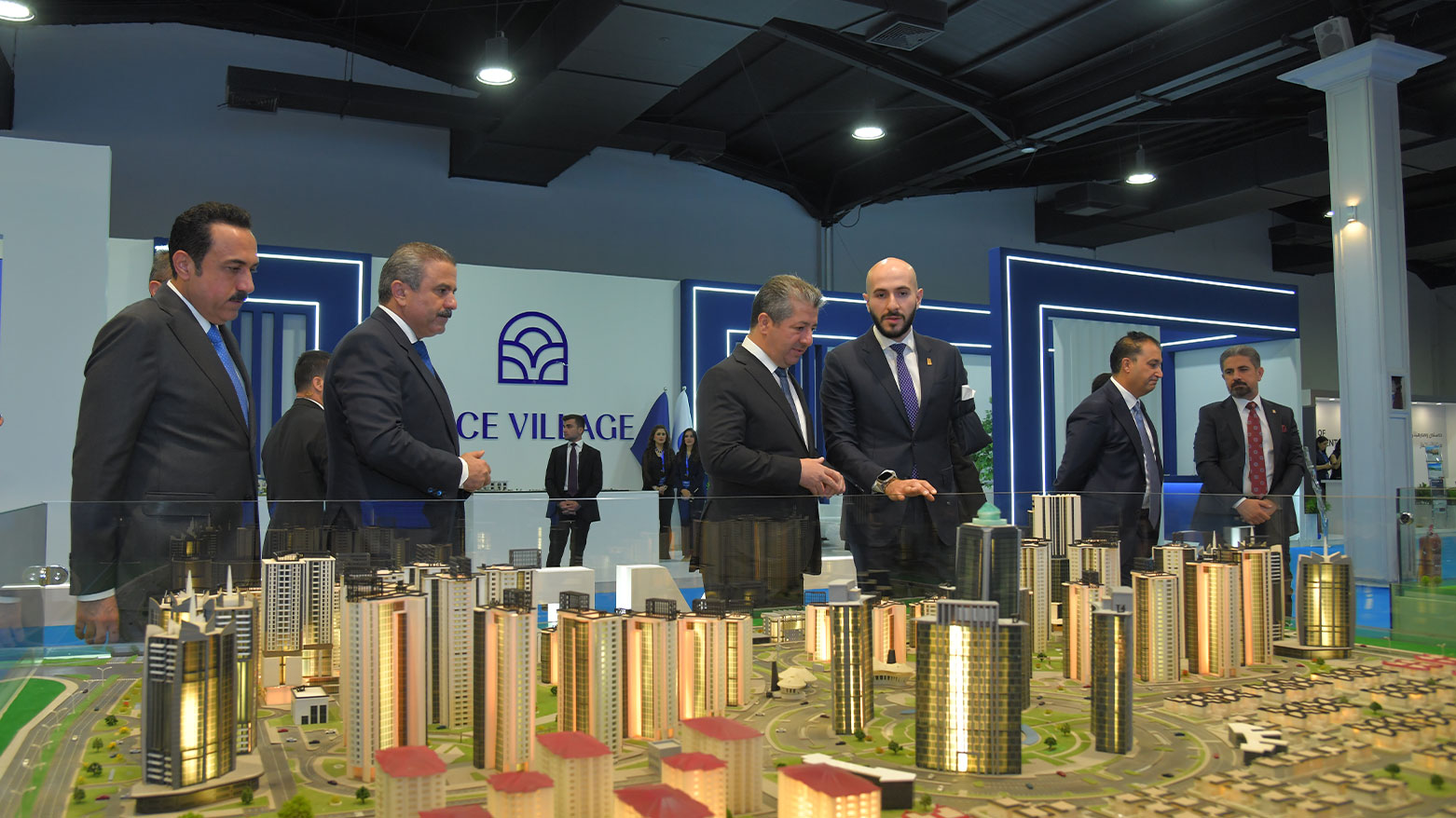
Amid the volatility that often characterizes broader Middle Eastern markets, Kurdistan offers a secure environment for infrastructure expansion, retail development, and urban growth.
For Gulf conglomerates looking to expand their supply chains, the region serves as a secure, predictable gateway.
Investors are increasingly recognizing that establishing a foothold in Erbil provides a logistical springboard into neighboring territories that might otherwise be deemed too risky for direct investment.
A New Trade Corridor Beyond the Gulf
This ambition to serve as a regional connector is also extending eastward.
The Kurdistan Region’s ongoing development has piqued the interest of Central Asian powers, most notably Uzbekistan.
Recently, two delegations comprising 60 Uzbek businessmen and investors visited the region to explore commercial synergies, and a reciprocal delegation of Kurdish traders is scheduled to visit Uzbekistan on the 24th of this month.
Saeed observed that the visiting Uzbek officials were highly impressed by Kurdistan’s investment climate.
The discussions yielded a formal memorandum of understanding, featuring crucial provisions to facilitate visa access for Kurdish businessmen traveling to Uzbekistan.
Because Uzbek exports are increasingly targeted toward European markets, establishing strong trade links through northern Iraq offers Central Asian producers a highly strategic logistical alternative, further cementing Kurdistan’s role as a transnational trade bridge.
The Investment Law Advantage
In the world of international finance, capital seeks certainty. While geographic location opens the door to investment, it is the Kurdistan Region’s Investment Law No. 4 of 2006 that ultimately secures it.
Widely regarded as one of the most competitive frameworks in the Middle East, the legislation provides the precise legal guarantees that foreign institutional investors demand.
The law fundamentally levels the playing field, granting international investors the exact same rights and responsibilities as domestic entities.
Crucially, it permits 100 percent foreign ownership of projects without the burdensome requirement of partnering with a local sponsor.
The financial incentives are equally aggressive, offering a ten-year exemption from all non-customs taxes from the date a project commences.
Furthermore, machinery imported within three years of licensing, and raw materials imported within five years, are entirely shielded from customs duties.
Yet, for many Gulf investors, the protective clauses are the most vital. The law guarantees the unrestricted repatriation of profits and capital in foreign currency.
It also grants foreigners the rare privilege of purchasing land and real estate for residential developments, while strictly prohibiting the seizure or nationalization of projects except in cases of public interest, and then only with immediate, fair compensation mandated by a court order.
Opportunity Meets Competition
Despite this momentum, the Kurdistan Region continues to face fierce competition. To attract the massive volumes of foreign direct investment required to fully modernize its economy, Erbil must continuously compete against established financial hubs in the Gulf and rapidly emerging markets in Türkiye.
Maintaining this upward trajectory will require local authorities to relentlessly uphold regulatory transparency, streamline bureaucratic processes, and continually upgrade physical infrastructure.
The rising interest from Gulf states is likely to place healthy pressure on the Kurdistan Regional Government to further refine its administrative efficiency, ensuring that the promise of the 2006 Investment Law translates seamlessly into operational reality.
As foreign capital increasingly becomes a central pillar of economic diversification in northern Iraq, the growing footprint of Gulf investors signals a profound vote of confidence.
By fostering deep financial ties with the Arabian Peninsula and forging new trade routes into Central Asia, the Kurdistan Region is systematically rewriting its economic narrative.
Moving forward, the region appears uniquely positioned to transition from an emerging local market into a vital commercial crossroads, binding the economies of the Middle East, Asia, and Europe together.
|
In few words: Armed with robust legal protections and growing stability, the Kurdistan Region is increasingly drawing the attention of wealthy Gulf states and Central Asian markets seeking new commercial gateways. As regional competition for capital intensifies, Gulf investors are increasingly targeting the Kurdistan Region. With over $22 billion invested in seven years and highly favorable foreign ownership laws, the region is rapidly positioning itself as a vital commercial bridge to Europe and Asia. |
Kurdistan24's journalist Kawa Jam contributed to this report.