Euphrates Floods Devastate Farmland in Eastern Syria, Submerging Thousands of Dunams
Authorities blame unprecedented water releases and heavy rainfall as farmers report total crop losses and demand urgent compensation
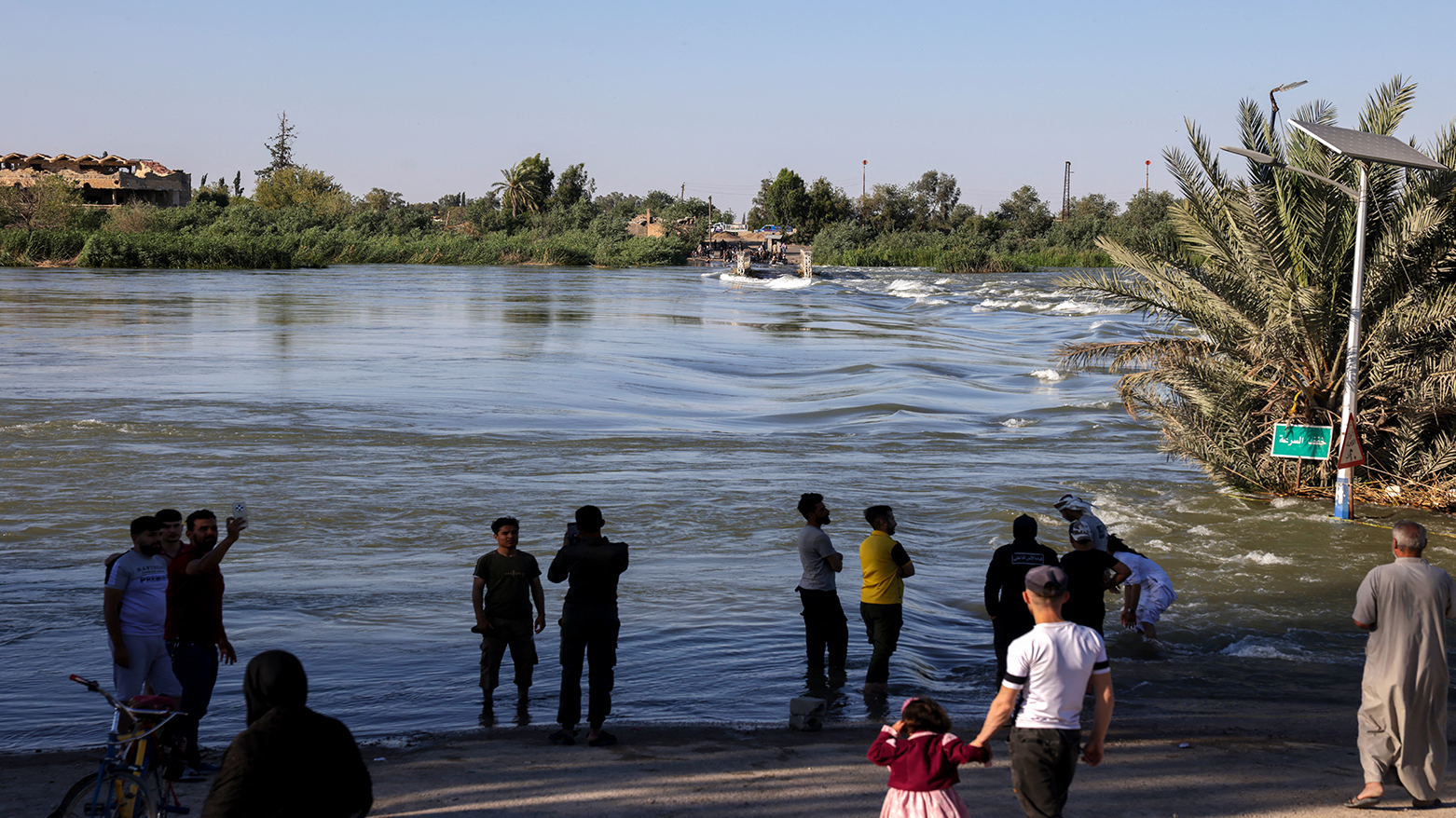
ERBIL (Kurdistan24) — Farmers in eastern Syria are facing widespread destruction after the Euphrates River overflowed in recent days, inundating agricultural land and residential areas following heavy rainfall and increased upstream water flows from Turkey.
Farmer Issa al-Moussa walked through his submerged wheat fields in the countryside of Deir Ezzor, where much of his crop has been destroyed after floodwaters swept across farmland along the river basin.
Syrian authorities described the situation as an “exceptional” rise in water levels along the Euphrates, which originates in Turkey and flows through Syria’s Raqqa and Deir Ezzor provinces before continuing into Iraq.
The floods have submerged fields and homes, damaged infrastructure including bridges and crossings, and disrupted key pumping stations used for drinking water and irrigation.
“I ploughed my land, which is six dunams (6,000 square meters) in size, and each dunam cost me one million liras… This land is lost,” al-Moussa told AFP, adding that his wheat crop has been completely destroyed, leaving him without income to support his family.
Authorities estimate that around 5,000 dunams of farmland in Deir Ezzor and approximately 1,500 dunams in parts of Raqqa province have been flooded.
The Syrian Energy Ministry said the crisis was caused by a “significant and unprecedented increase in water flows from the Turkish side,” while officials warned that water levels along the river had reached rare and dangerous levels.
Residents said the flooding also surrounded homes and small buildings, forcing many to abandon property and move to safer areas as water levels rose rapidly.
In some areas, around 60 pumping stations reportedly went out of service due to the four-meter rise in water levels, according to local water officials.
Syrian Energy Minister Mohammad al-Bashir said Turkey’s warning regarding rising Euphrates levels “came too late,” noting that Damascus had been forced to open spillways at the Euphrates Dam for the first time in decades in response to the surge.
No official Turkish statement has been issued regarding coordination with Syrian authorities, though Turkish media cited officials saying controlled water releases were carried out from the Atatürk Dam following heavy rainfall and rising reservoir levels.
In Raqqa, water authorities reported a drop of around 60 centimeters in river levels within 24 hours after spillway adjustments, though officials stressed that conditions remain critical.
Local residents described chaotic evacuations as floodwaters entered homes overnight. “We were asleep when we saw the water rushing in,” said Mohammed Khodr al-Hussein. “We left our cars, our livelihoods, our homes, and our farms behind. We have nothing left.”
Farmers in the affected areas say they received no early warning, leaving them unable to protect crops or equipment. Many now face severe financial losses, as seasonal agriculture forms their only source of income.
“We farmers live season by season,” al-Hussein added. “Today, our losses are twofold: our money is gone, our crops are gone, and the wheat is no longer fit for harvesting.”
Authorities say emergency measures are underway, including reinforcing earthen barriers and preparing for potential evacuations, as the region continues to grapple with what officials describe as the worst flooding in decades.