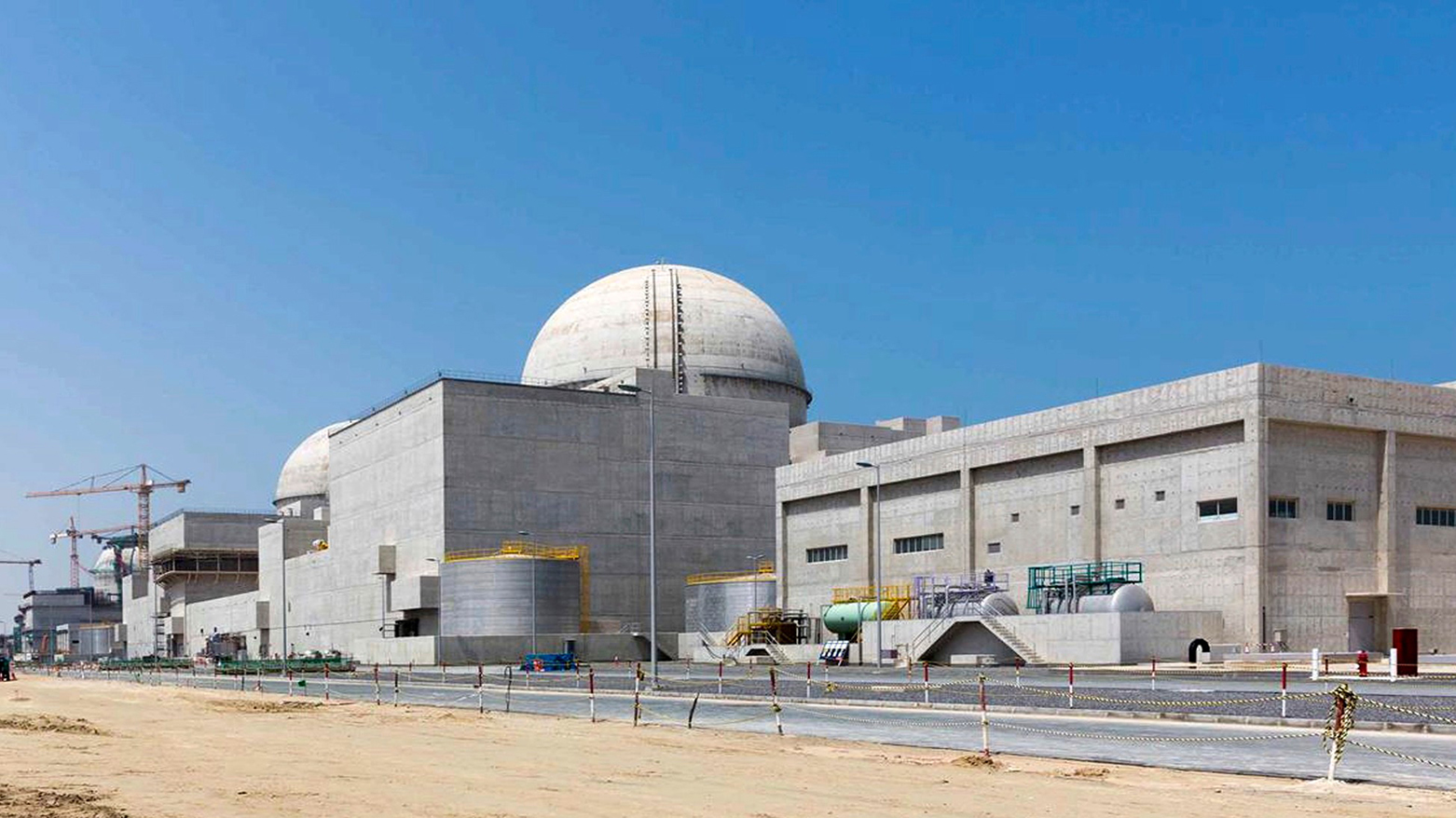
UAE Nuclear Plant “Carefully Targeted” in Drone Attack, IAEA Warns of Serious Risk
IAEA chief says attackers “knew exactly what they were doing” as agency raises concerns over regional nuclear safety
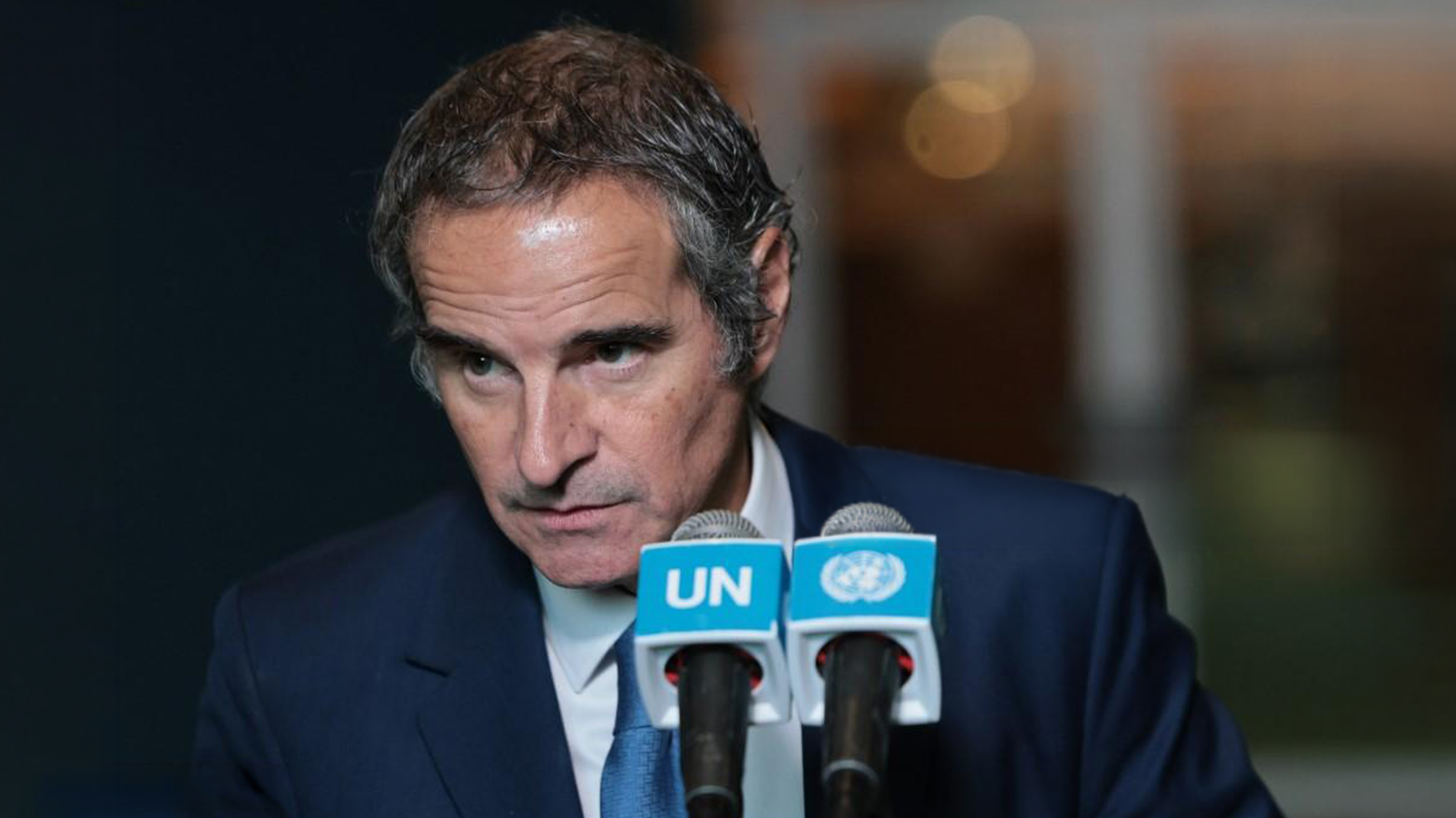
ERBIL (Kurdistan24) — The United Arab Emirates’ Barakah nuclear plant was “carefully targeted” in a drone attack last month, with the intent of triggering a major incident, the head of the International Atomic Energy Agency (IAEA) said on Tuesday.
IAEA Director General Rafael Grossi said a drone strike on May 17 hit an electricity facility linked to the plant, raising the risk of a partial shutdown and creating what he described as a “serious situation indeed.”
“From what we saw, this was a very carefully targeted operation,” Grossi told journalists in Abu Dhabi following a visit to the Barakah facility.
The UAE has blamed militants operating from Iraq for the attack, which came after weeks of escalating drone and missile strikes across the region during wider Middle East hostilities involving Iran.
Grossi warned that although Emirati technical teams were able to quickly manage the damage, the strike could have had far more severe consequences, including the potential loss of external power to the reactor.
“Although the Emirati professionals acted very quickly and could address the situation, (it could have taken) out the reactor out because of the loss of external power,” he said. “This means that whoever was behind this knew exactly what they were doing. This is of extreme gravity.”
The IAEA chief said he was also visiting Gulf states neighboring the UAE, including Kuwait and Qatar, and planned to travel to Riyadh, citing widespread regional concern over nuclear safety risks.
“I think this is pretty serious, and this is why we have been very vocal,” Grossi said in separate remarks to AFP. “Several countries in the region have serious concerns.”
He added that he would convene a special session of the IAEA Board of Governors, with the agency already providing technical assistance and support to the UAE.
Grossi warned that the “worst-case scenario” would involve a direct hit on the Barakah plant or Iran’s Bushehr nuclear facility, which has also been exposed to risks during recent regional conflict, potentially leading to radioactive leakage.
He explained that the loss of external power to a nuclear plant does not immediately cause a meltdown but forces reliance on emergency systems to maintain critical safety functions.
“To get to a meltdown would take much, much more,” he said. “We would be talking of a situation where you would completely run out of external power.”
Hamad Al Kaabi, deputy chairman of the Federal Authority for Nuclear Regulation, said Grossi’s visit underscored broad international concern over attacks on nuclear facilities.
He said Barakah, which became fully operational in 2024, remains a central pillar of the UAE’s energy infrastructure and a model for safe nuclear development in the region.
“Whether we expand [nuclear power] in the future is yet to be decided, but I think Barakah makes a compelling case,” Al Kaabi told AFP, adding that the plant’s safe operation demonstrated the viability of nuclear energy in the Gulf.
“If anything, it’s proved that these plants can be maintained safely and securely,” he said.
A drone strike targeted the United Arab Emirates’ Barakah nuclear power plant on May 17, igniting a fire in an electrical generator on its perimeter. Authorities in Abu Dhabi said the incident caused no injuries and no radiological leak, and confirmed that plant operations were not disrupted.
No group immediately claimed responsibility for the attack, though suspicion has centered on Iran and its proxies in the region amid escalating regional tensions and repeated warnings directed at Gulf states.
The Barakah nuclear plant, located in the western desert of Abu Dhabi near the Saudi border, is the UAE’s flagship energy project and the first commercial nuclear power station in the Arab world.
Developed at a cost of approximately $20 billion with South Korean assistance, the facility began operations in 2020 and now provides a significant share of the country’s electricity supply.