OPEC+ Ministers Meet as Gulf Disruptions Keep Oil Markets on Edge
The meeting comes as oil prices have surged sharply since the closure of the Strait of Hormuz, a critical maritime route that normally carries around one-fifth of the world's oil and gas supplies.
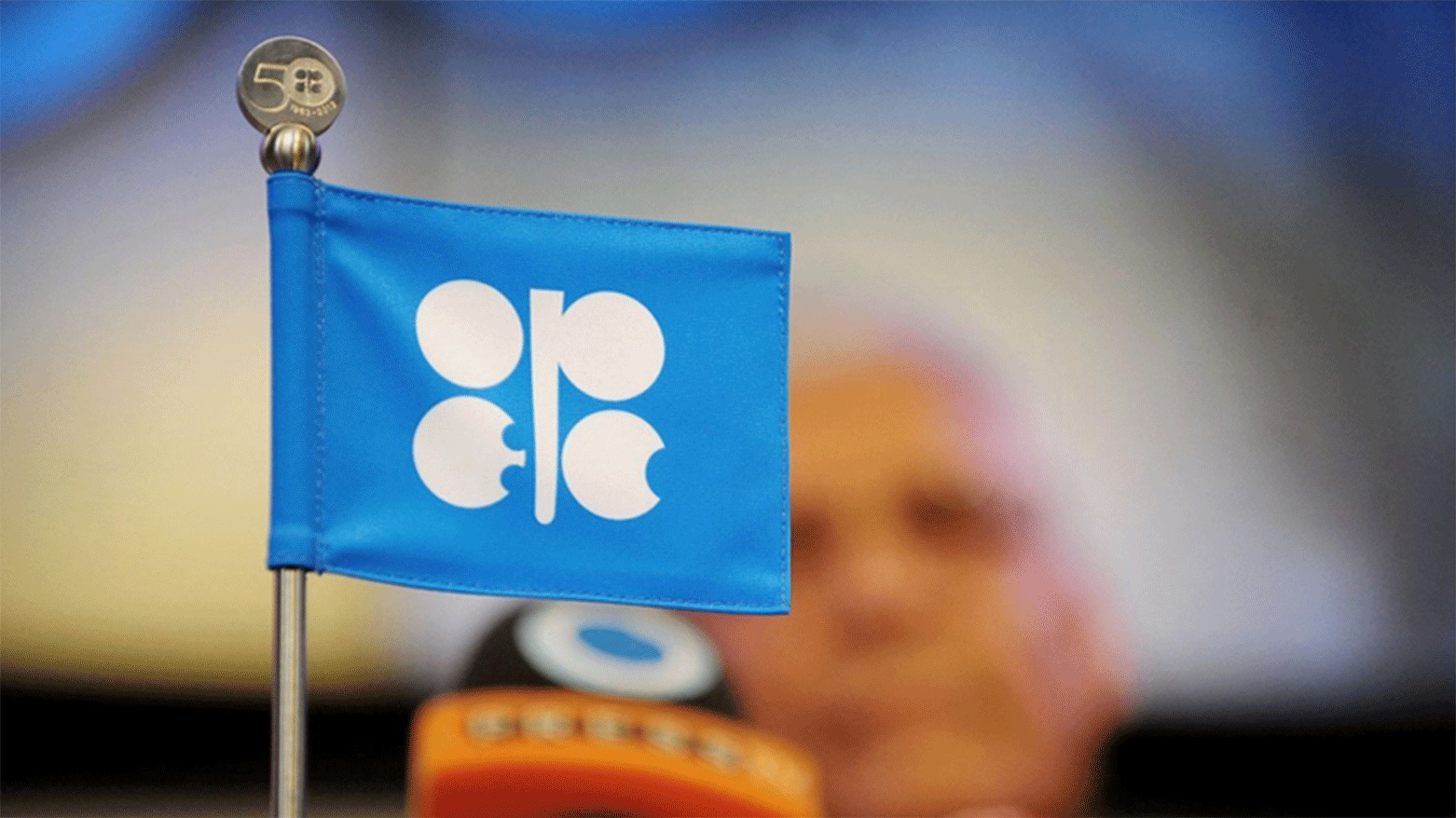
ERBIL (Kurdistan24) – OPEC+ ministers convened virtually on Sunday to consider increasing oil production quotas as global energy markets remain under pressure from ongoing disruptions to Gulf crude shipments caused by the conflict involving Iran.
The meeting comes as oil prices have surged sharply since the closure of the Strait of Hormuz, a critical maritime route that normally carries around one-fifth of the world's oil and gas supplies. The waterway has been effectively blocked following U.S. and Israeli strikes on Iran in late February and subsequent Iranian threats of retaliation.
Analysts expect the 21-member alliance of major oil producers and their partners to approve a production increase of approximately 188,000 barrels per day, continuing a series of recent output hikes.
However, energy experts caution that the move is unlikely to significantly ease prices, as only a limited number of members—including Saudi Arabia, Russia, Iraq, Kuwait, Kazakhstan, Algeria, and Oman—have the capacity to raise production substantially.
Despite potential quota increases, the ongoing disruption of shipping routes remains the dominant factor in the market. The Strait of Hormuz typically handles about 20 million barrels of oil per day, and its closure has severely restricted exports from key Gulf producers.
Commodity analysts say that any additional production pledged by OPEC+ may have only a limited impact while transport bottlenecks persist.
"Any announced production increases or changes to output targets will have limited practical value," Ole Hansen, a commodities analyst at Saxo Bank, told AFP, adding that there is little the group can do under the current circumstances.
According to OPEC+, the alliance's daily oil production has fallen to around 33 million barrels per day as tankers remain stranded, down from nearly 43 million barrels before the conflict. Analysts also warn that restrictions on Iranian ports could further reduce actual export volumes.
The continued supply disruptions have nearly doubled oil prices, increasing inflationary pressures and raising concerns over the stability of global energy markets.
ERBIL (Kurdistan24) – OPEC+ ministers convened virtually on Sunday to consider increasing oil production quotas as global energy markets remain under pressure from ongoing disruptions to Gulf crude shipments caused by the conflict involving Iran.
The meeting comes as oil prices have surged sharply since the closure of the Strait of Hormuz, a critical maritime route that normally carries around one-fifth of the world's oil and gas supplies. The waterway has been effectively blocked following U.S. and Israeli strikes on Iran in late February and subsequent Iranian threats of retaliation.
Analysts expect the 21-member alliance of major oil producers and their partners to approve a production increase of approximately 188,000 barrels per day, continuing a series of recent output hikes.
However, energy experts caution that the move is unlikely to significantly ease prices, as only a limited number of members—including Saudi Arabia, Russia, Iraq, Kuwait, Kazakhstan, Algeria, and Oman—have the capacity to raise production substantially.
Despite potential quota increases, the ongoing disruption of shipping routes remains the dominant factor in the market. The Strait of Hormuz typically handles about 20 million barrels of oil per day, and its closure has severely restricted exports from key Gulf producers.
Commodity analysts say that any additional production pledged by OPEC+ may have only a limited impact while transport bottlenecks persist.
"Any announced production increases or changes to output targets will have limited practical value," Ole Hansen, a commodities analyst at Saxo Bank, told AFP, adding that there is little the group can do under the current circumstances.
According to OPEC+, the alliance's daily oil production has fallen to around 33 million barrels per day as tankers remain stranded, down from nearly 43 million barrels before the conflict. Analysts also warn that restrictions on Iranian ports could further reduce actual export volumes.
The continued supply disruptions have nearly doubled oil prices, increasing inflationary pressures and raising concerns over the stability of global energy markets.