KRG to Enable Electricity Debt Payments Through e-Psule Under Runaki Initiative
Eligible subscribers across the Kurdistan Region will soon be able to settle discounted legacy electricity debts through the e-Psule digital payment platform or local Energy Sales Offices, supporting the KRG's broader Runaki electricity reform and public service modernization.
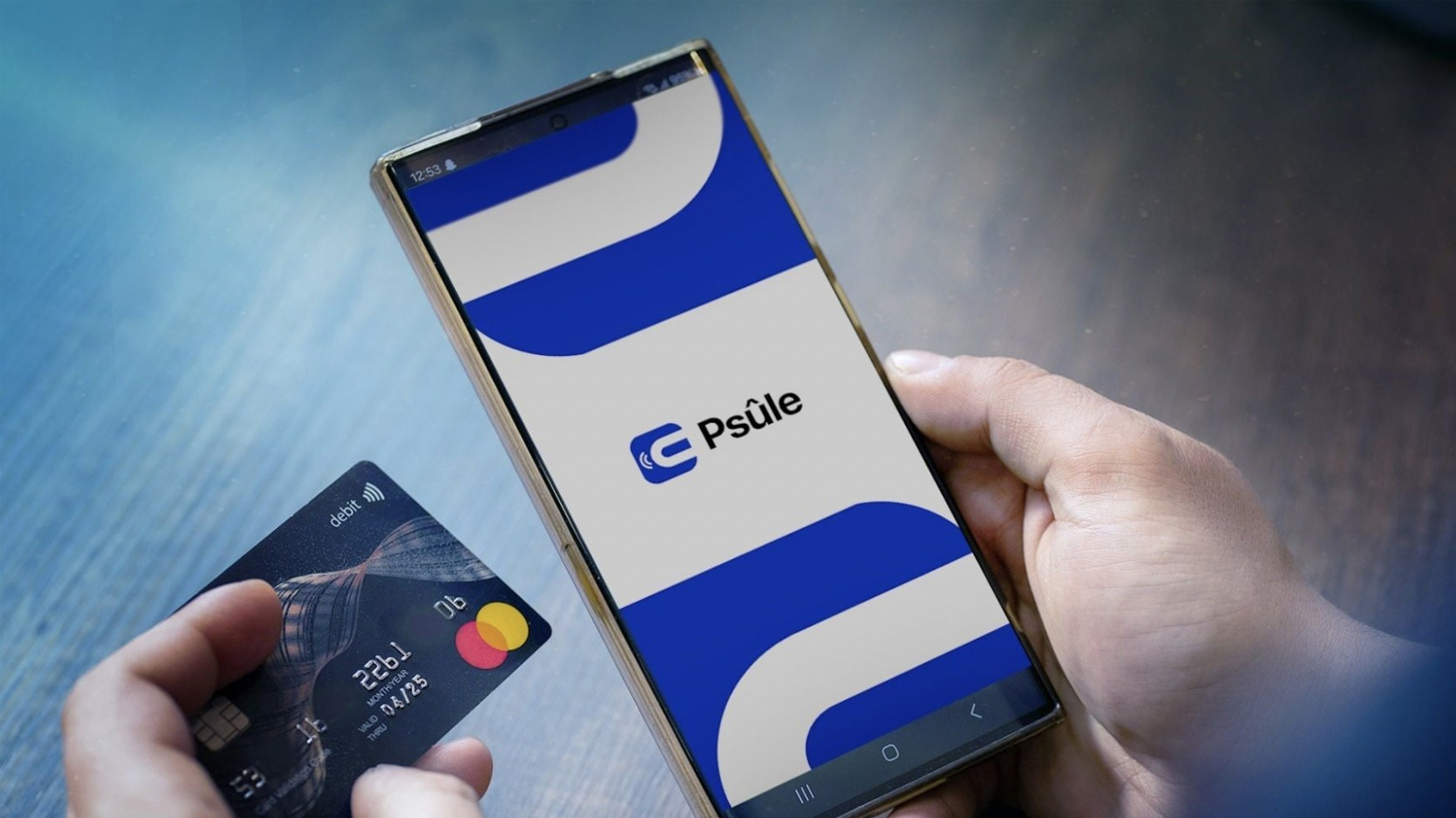
ERBIL (Kurdistan24) - The Kurdistan Regional Government (KRG) is preparing to introduce new digital and in-person payment channels that will allow eligible electricity subscribers to settle discounted legacy electricity debts more conveniently, marking another step in the modernization of public services under the Runaki (Light) project.
Once implementation procedures are completed, subscribers covered by the government's recently approved debt relief initiative will be able to pay their outstanding balances either through the e-Psule (E-Billing) electronic payment platform or at Energy Sales Offices operating across the Kurdistan Region.
Officials are currently completing the technical and administrative preparations required before announcing the official launch date.
The initiative is designed to simplify the payment process while encouraging customers to clear unpaid electricity obligations accumulated before the introduction of the Runaki project.
By combining digital payment technology with traditional service centers, authorities aim to provide residents with flexible options that accommodate different levels of digital access and personal preference.
The Ministry of Electricity is currently organizing subscriber records and updating operational systems needed to implement the new mechanism.
According to information obtained by Kurdistan24, ministry teams are finalizing procedural and technical arrangements before opening the payment system to the public, with further details expected in the coming days.
Rather than relying solely on conventional payment offices, the inclusion of the e-Psule platform reflects the government's broader efforts to expand digital public services and make routine administrative transactions faster and more accessible.
At the same time, maintaining payments through local Energy Sales Offices ensures that residents who prefer in-person services, or have limited access to digital platforms, can also benefit from the program.
The payment arrangements accompany a wider financial relief package approved by the KRG Council of Ministers aimed at resolving long-standing electricity arrears accumulated before the rollout of the Runaki project.
Under the approved framework, residential and agricultural subscribers will receive a 50 percent reduction on eligible outstanding debts, while commercial, industrial and public-sector subscribers will receive a 25 percent reduction.
Government officials have clarified that the reductions apply exclusively to debts accumulated before the implementation of the 24-hour electricity project.
Monthly bills issued under the current Runaki system remain subject to the standard tariff structure and are not included in the discount program.
Separating historical debts from ongoing monthly billing reflects an effort to address past financial obligations without altering the operational model of the new electricity system.
The approach allows authorities to reduce the burden created by earlier unpaid balances while preserving the financial sustainability of the region's expanding around-the-clock electricity network.
The payment initiative also complements broader reforms underway within the electricity sector.
Over recent years, the KRG has sought to improve service reliability, modernize infrastructure and strengthen revenue collection as more communities transition to continuous national electricity supply.
Making debt settlement easier is expected to support those objectives by encouraging greater compliance while reducing administrative barriers that may have discouraged some subscribers from resolving older accounts.
Providing multiple payment channels also reflects a practical understanding of the diverse needs of electricity consumers across the Kurdistan Region.
Digital platforms offer speed and convenience for users comfortable with electronic transactions, while physical payment offices remain an important option for residents who prefer direct assistance or lack access to digital payment services.
Initial public reaction suggests the government's decision has been broadly welcomed, particularly among households carrying substantial legacy debts.
Many residents view the combination of discounted balances and more accessible payment methods as a practical way to ease financial pressures while allowing families to regularize outstanding obligations that may have accumulated over several years.
Some citizens also see the initiative as part of a wider pattern of government measures intended to reduce financial burdens across multiple public service sectors.
Others note that cutting accumulated electricity debts in half for eligible households could make repayment significantly more manageable, particularly for families facing difficult economic circumstances.
Several residents additionally expressed support for the continued expansion of 24-hour electricity services under the Runaki project, describing improved reliability as an important public service achievement.
While some hope electricity tariffs may become more affordable over time, they nevertheless regard the current debt relief initiative as a meaningful step toward helping subscribers transition into the new system without the weight of substantial historical arrears.
Taken together, the debt reduction program and the introduction of e-Psule and Energy Sales Offices illustrate how the KRG is pairing administrative reform with digital modernization.
Financial incentives encourage subscribers to resolve outstanding obligations, while streamlined payment channels are intended to make that process simpler and more efficient.
As the Ministry of Electricity completes its final preparations, the initiative represents more than a new way to pay electricity bills.
It reflects a broader effort to strengthen public administration, improve utility management and support the long-term objectives of the Runaki project through a combination of digital governance, improved service delivery and practical financial relief for citizens.
|
Summary The Kurdistan Regional Government will introduce e-Psule and Energy Sales Offices as payment channels for discounted legacy electricity debts under the Runaki project, combining digital services, debt relief and improved electricity bill collection while supporting broader public sector modernization. |