Israeli Newspaper Reveals Iranian Strikes Caused Over Half a Billion Dollars in Damage Within 12 Hours
Israel Hayom discloses preliminary damage figures despite strict military censorship, as budget disputes erupt inside the Israeli government over military spending and reconstruction costs
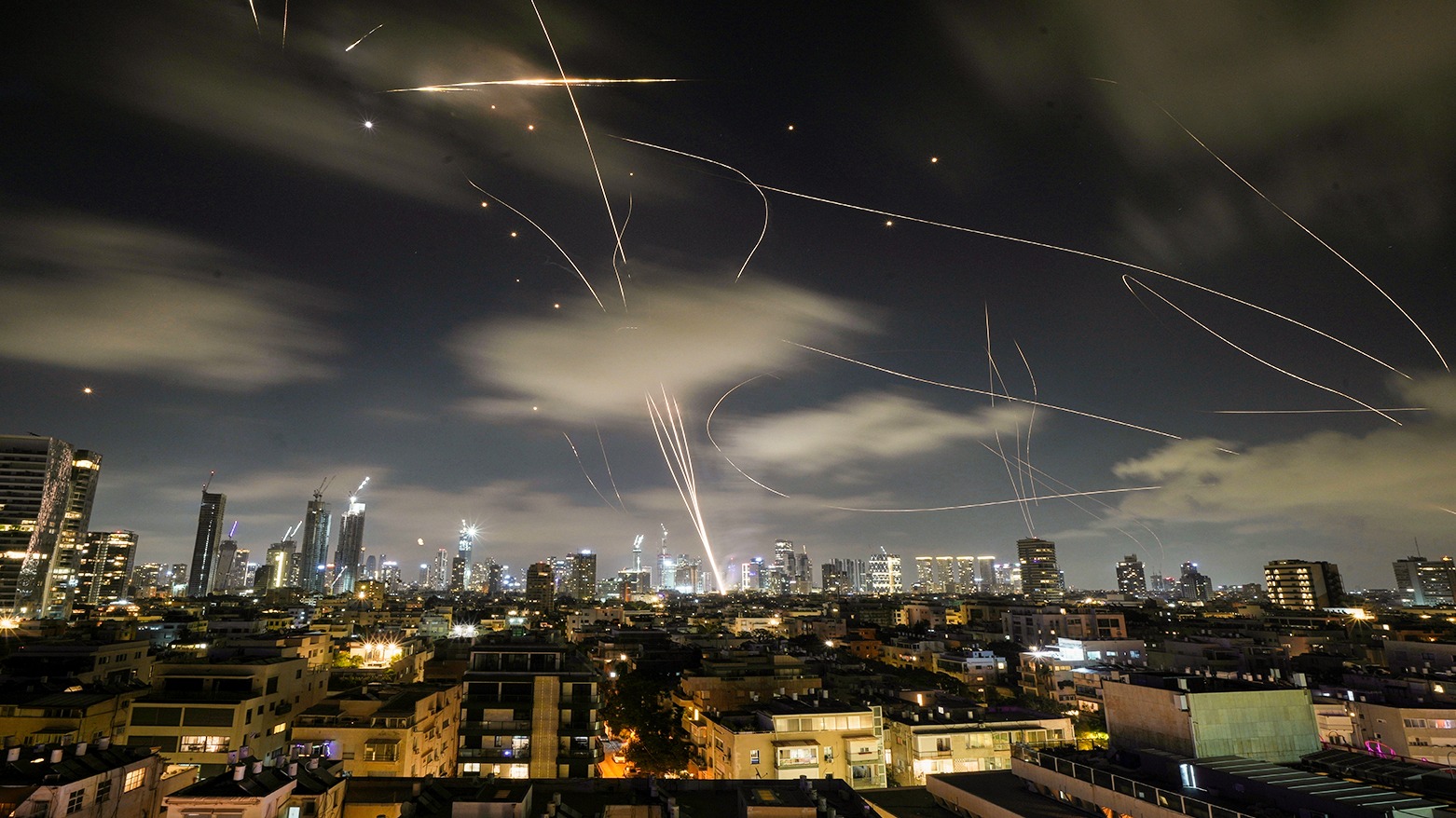
ERBIL (Kurdistan 24) - Israel is grappling with the financial fallout of Iran's latest missile barrage, with a detailed report by the Israeli daily Israel Hayom disclosing that more than half a billion dollars in damage was inflicted on Israeli infrastructure within just 12 hours of Sunday night's strikes, as the government faces mounting internal pressure over military budget management and reconstruction financing.
Israel Hayom reported on Monday that the figure represents only a preliminary estimate, with security sources emphasizing that the full cost cannot yet be determined given the ongoing nature of the conflict. The newspaper noted that strict military censorship has been imposed on the publication of damage data, making the disclosure of figures of this scale a rare and significant indicator of the severity of the situation Israel now faces.
What the Half-Billion Figure Covers?
The damage assessment goes well beyond physical destruction of buildings and civilian infrastructure. Israel Hayom confirmed that the figure also incorporates the cost of missile interceptions deployed to neutralize Iran's ballistic missile salvos, the wide-scale deployment of air defense systems, operational costs for Israeli forces, and direct damage to both military and civilian infrastructure across the country.
Security sources cited by the newspaper acknowledged that the half-billion-dollar figure is a preliminary calculation and that the final cost will be substantially higher once a comprehensive assessment is completed.
Internal Budget Dispute Erupts
The financial toll has opened a significant political fault line inside the Israeli government. Finance Ministry officials have leveled criticism at the management of the military budget, pointing out that despite the Israeli military receiving an annual allocation of 200 billion shekels, it has been unable to manage its finances efficiently under wartime conditions.
Security establishment officials have pushed back against that characterization, arguing that the current war falls outside the parameters for which previous budgets were planned, that no prior allocation was made for a conflict of this scale, and that the situation demands an immediate fiscal response rather than retrospective criticism.
Talks between the Finance Ministry and security institutions are ongoing to secure supplementary budget allocations, though Israel Hayom reported that significant gaps remain and it is unclear whether the government will be able to bridge the financial shortfall created by the damage.
A Conflict with Cascading Costs
The Israeli damage figures sit within a much broader picture of economic destruction across the region. CNBC reported on April 15, 2026, citing energy consultancy Rystad, that more than 80 energy facilities across the region have been attacked since the war began on Feb. 28, 2026, with more than a third severely damaged, and that the minimum repair bill for energy infrastructure damage alone stands at $34 billion. The International Energy Agency's executive director Fatih Birol warned on the same date that it could take up to two years to restore oil and gas production to pre-war levels.
Qatar's state-owned energy company QatarEnergy disclosed on March 19, 2026, that damage to the country's liquefied natural gas facility, struck by Iran in retaliation for Israeli strikes on Iran's South Pars gas complex, will result in $20 billion in lost revenue and require up to five years to repair.
Bloomberg reported on April 21, 2026, that Iran's own government placed total direct and indirect damage from US-Israeli airstrikes at approximately $270 billion, a figure approaching the entirety of Iran's projected 2026 gross domestic product of $300 billion as estimated by the International Monetary Fund.
The Broader Human and Financial Toll
Al Jazeera's conflict tracker confirmed as of June 1, 2026, that at least 3,468 people had been killed in US-Israeli attacks on Iran since February 28, with more than 26,500 injured. On the Israeli side, at least 26 people have been killed and 7,791 wounded since the conflict began.
The half-billion-dollar figure disclosed by Israel Hayom for a single 12-hour window underscores how rapidly the financial costs of the conflict are accumulating on all sides, and why the pressure for a negotiated resolution, despite Sunday night's renewed hostilities, remains a driving force in Washington's diplomatic calculations.
|
BRIEF: |