In the Rubble of an Iranian School, a Father's Grief and a Search for Answers
Following a missile strike in Minab that killed 120 students, an independent investigation by Kurdistan24 highlights the devastating civilian toll as international bodies probe potential U.S. involvement.
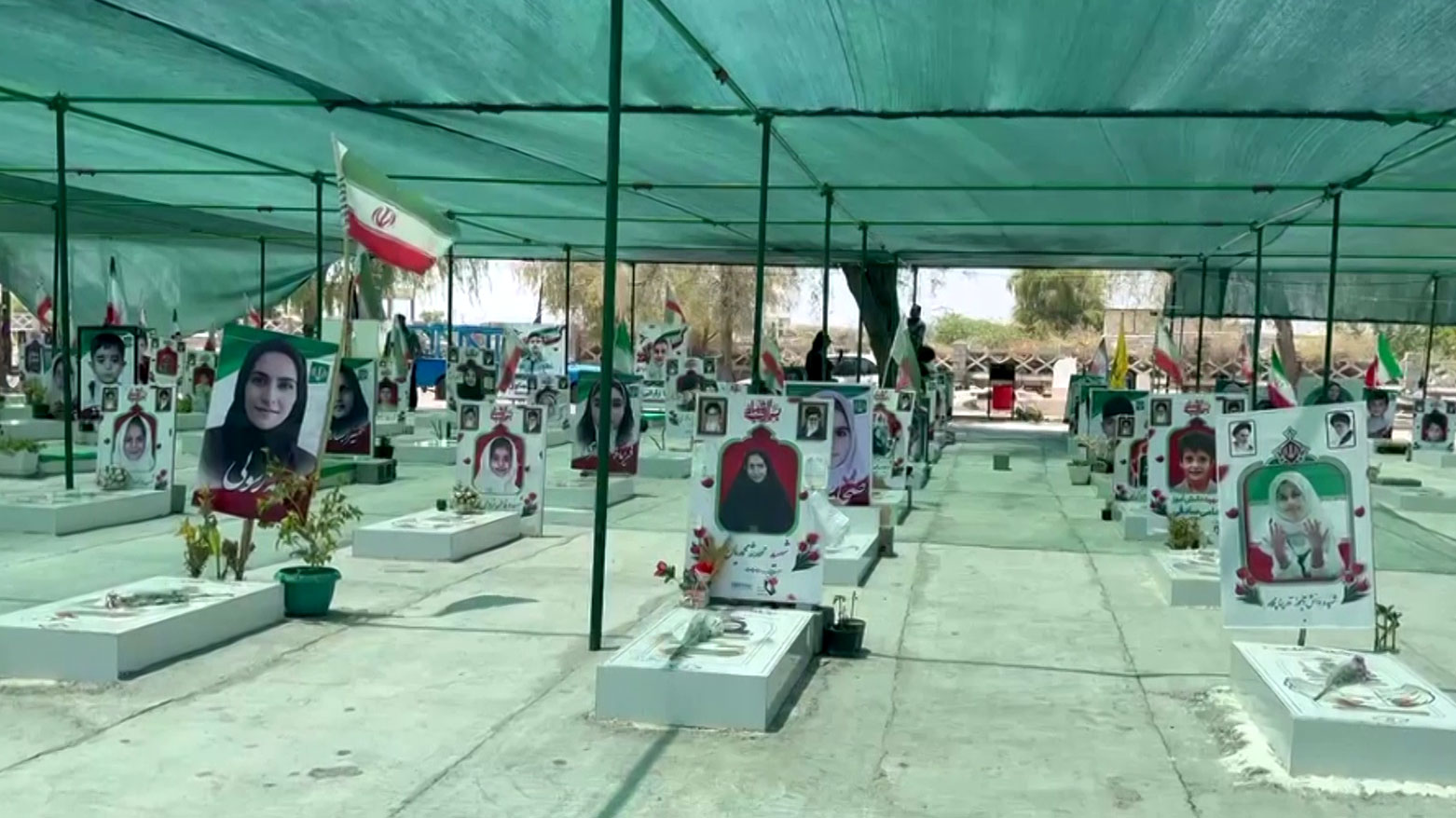
ERBIL (Kurdistan24) - On the morning of Feb. 28, 2026, the devastating realities of modern warfare shattered the quiet of an Iranian classroom. At approximately 10:00 a.m. local time, three missiles plummeted into the Shajare-ye Tayyeban school in the southern city of Minab. The strike claimed the lives of 120 students, along with numerous teachers and civilian bystanders, marking one of the deadliest single incidents for noncombatants in the current conflict.
In the chaotic aftermath, as competing geopolitical narratives clouded the tragedy, Kurdistan24 launched an independent investigation into the bombardment.
As the first Kurdish media organization to conduct a dedicated probe into the Minab attack, the network has sought to pierce the fog of war.
By gathering exclusive eyewitness testimonies and on-the-ground accounts, the investigation highlights the crucial role of regional journalism in documenting civilian suffering, particularly when formal international inquiries remain incomplete.
At the heart of Kurdistan24's reporting is the agonizing account of a father who lost his son, Sobhan.
His testimony serves as the emotional anchor of the investigation, providing a harrowing window into the human cost of the strike. The father recounted the mundane routine of that morning, having personally brought his son to school alongside three of Sobhan’s classmates: Arsham Irani, Mahdi, and Amin Ahmadzadeh.
Hours later, a phone call interrupted his day, followed almost immediately by a deafening explosion.
Standing on the main street opposite the educational facility, he described a sudden, overwhelming sense of dread. Running toward the billowing smoke and screaming his son's name, he reached the school gates only to confront an unrecognizable scene of carnage.
In his exclusive interview with Kurdistan24, the grieving father recalled the frantic search through the burning rubble.
He likened the desperate, stumbling movements of the terrified parents to the sorrowful traditions of Imam Reza, as mothers and fathers repeatedly fell and rose in the desperate hope of finding their children alive.
Confronted with the fragmented remains of the students, he expressed a profound disillusionment with the international community.
He bitterly noted that if global human rights frameworks result in children being violently taken and families left with nothing but shattered memories, such concepts offer little genuine solace to the victims on the ground.
Initially, responsibility for the catastrophic strike was shrouded in uncertainty.
However, subsequent investigations by the international news agency Reuters and the open-source intelligence group Bellingcat reportedly identified the munitions involved as United States Tomahawk missiles.
While these findings represent reported conclusions rather than legally binding verdicts, they have significantly heightened the geopolitical stakes surrounding the tragedy.
In response to the mounting scrutiny and the investigative reports from Reuters and Bellingcat, the Pentagon announced that it has intensified its own internal review of the incident.
Defense analysts and military observers have suggested that the strike may have been the tragic result of flawed intelligence, a catastrophic targeting error, or a severe technical malfunction of the weapon systems.
To date, however, no final determination regarding legal or operational responsibility has been reached by U.S. authorities.
The massacre has drawn swift and unequivocal international condemnation from top global institutions.
Both UNESCO and the United Nations Secretary-General denounced the bombing in the strongest terms, labeling the attack on a civilian educational facility as a grave and unacceptable violation of international humanitarian law.
Schools are strictly protected under the laws of armed conflict, and their destruction demands rigorous scrutiny. An international fact-finding mission has since been deployed to thoroughly examine the tactical decisions and intelligence failures that led to the strike.
These investigators are now tasked with determining whether the bombardment constituted a catastrophic military error, an instance of unlawful and reckless targeting, or a potential war crime.
The profound grief of the Minab community was fully visible on March 1, 2026, when thousands of mourners gathered for a mass funeral to bury the victims.
The procession underscored the indelible scars left on the city and the broader civilian population caught in the crossfire of escalating hostilities.
As global bodies continue their slow, bureaucratic march toward accountability, the independent investigation by Kurdistan24 serves as a vital historical record. It demonstrates how regional journalism can bypass official state narratives to uncover the raw realities of conflict.
By centering the voices of those who lost the most, the reporting ensures that the 120 children of the Shajare-ye Tayyeban school are remembered not merely as abstract statistics in a wider geopolitical struggle, but as profound human losses demanding transparent answers and ultimate justice.
|
Summary Kurdistan24 has launched an independent investigation into the February 28 Minab school bombing in Iran, which killed 120 students. As Reuters and Bellingcat link the deadly strike to a U.S. missile, exclusive reporting reveals the profound human tragedy while the UN probes potential war crimes. |