Pakistan Airstrikes Kill 13 in Afghanistan as Border Tensions Escalate
Kabul says children among the dead as violence between the neighboring countries deepens despite previous peace efforts
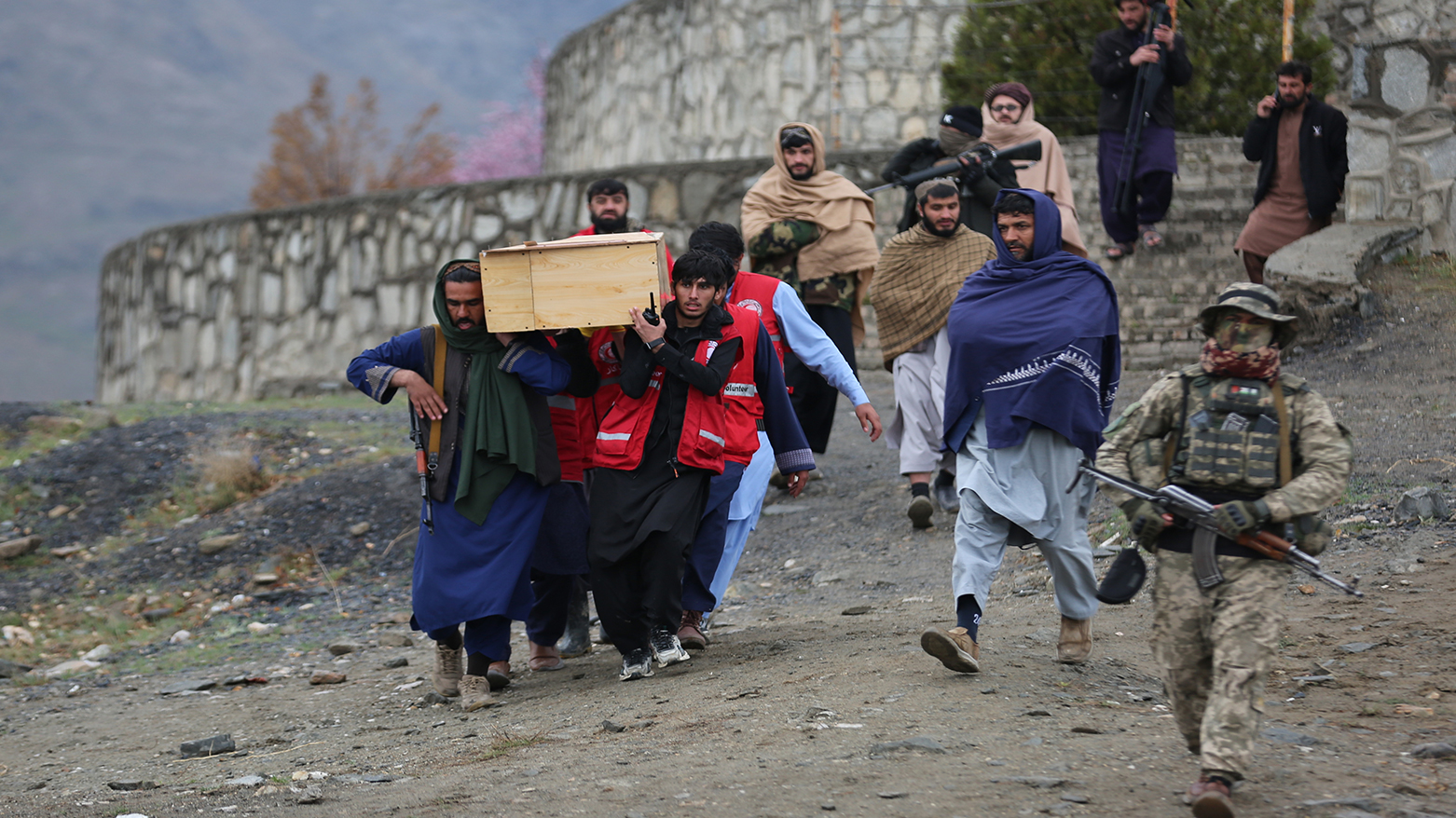
ERBIL (Kurdistan24) — Afghanistan on Wednesday accused Pakistan of carrying out new airstrikes inside its territory, killing at least 13 people, including 11 children, and wounding 14 others, in the latest escalation of a conflict that has strained relations between the neighboring countries for months.
Taliban chief spokesperson Zabihullah Mujahid said Pakistani warplanes targeted multiple locations in the eastern Afghan provinces of Khost, Kunar, and Paktika. According to Afghan authorities, the victims included 11 children, one woman, and one elderly man.
Despite the deadly attacks, officials reported that the situation along the border remained calm in the hours that followed. However, previous Pakistani strikes have prompted retaliatory attacks by Afghan forces against Pakistani positions along the frontier, raising concerns that the violence could once again spiral into broader clashes.
Pakistan's Foreign Ministry and military did not immediately acknowledge the reported strikes.
The airstrikes came one day after suspected militants from the Tehrik-e-Taliban Pakistan (TTP), commonly known as the Pakistani Taliban, attacked a security checkpoint in the Hasan Khel area of northwestern Khyber Pakhtunkhwa province near the Afghan border.
According to Pakistan's Interior Ministry, the assault triggered a fierce gun battle that left six members of the Federal Constabulary dead and several others wounded. Pakistani security forces reportedly killed eight attackers and prevented them from overrunning the checkpoint.
Interior Minister Mohsin Naqvi later attended funeral prayers for the slain personnel in Peshawar, praising their sacrifice and reaffirming Pakistan's commitment to combating militancy.
"Their sacrifices will not be forgotten," Naqvi said, adding that operations against groups threatening the country's peace and security would be intensified.
The latest exchange highlights the worsening security crisis between the two countries, which have been engaged in recurring cross-border hostilities since late February. The current cycle of violence began after Afghanistan launched attacks across the border in response to Pakistani airstrikes inside Afghan territory.
In February, Pakistan declared it was effectively in an open state of conflict with Afghanistan following a sharp increase in militant attacks targeting civilians and security forces within Pakistan.
Tensions escalated further in March when Afghan authorities accused Pakistan of bombing a drug-treatment center in Kabul, claiming more than 400 people were killed. Pakistan denied targeting civilians and said it had struck an ammunition depot instead.
Efforts to reduce tensions have so far failed to produce lasting results. Earlier this year, China hosted peace talks between Afghan and Pakistani officials in the city of Urumqi, after which Beijing announced that both sides had agreed to avoid further escalation and explore diplomatic solutions.
Pakistani officials have since said that China and several other friendly countries continue to encourage dialogue aimed at achieving a durable peace agreement between the two neighbors.
Security analysts say Pakistan's primary concern remains the activities of the TTP, which Islamabad accuses of operating from sanctuaries inside Afghanistan and launching attacks against Pakistani targets.
Masood Khan, an Islamabad-based security analyst, told AP that a key step toward reducing tensions would be the implementation of a decree issued by Taliban leader Mullah Haibatullah Akhundzada ordering the TTP to halt attacks on Pakistan.
"That decree must be implemented sincerely and faithfully," Khan said.
Pakistan has repeatedly accused Afghanistan's Taliban-led government of harboring militants linked to the TTP, an allegation Kabul has consistently denied. Although the Pakistani Taliban is a separate organization, it maintains ideological and historical ties with the Afghan Taliban, which returned to power in Kabul following the withdrawal of U.S.-led forces in 2021.
The prolonged conflict has also taken a heavy economic toll. The Pakistan-Afghanistan border has remained closed to bilateral trade since October, disrupting commerce and leaving thousands of travelers and traders stranded on both sides.
With civilian casualties mounting and diplomatic efforts yielding little progress, fears are growing that the conflict could deepen further, threatening regional stability and worsening humanitarian conditions along the border.