Iran Says Frozen Funds Will Be Released as Agreement Talks Enter Final Stage
Araghchi says enriched nuclear materials will remain inside Iran, frozen Iranian assets will be released, and service fees will be collected from ships transiting the Strait of Hormuz.
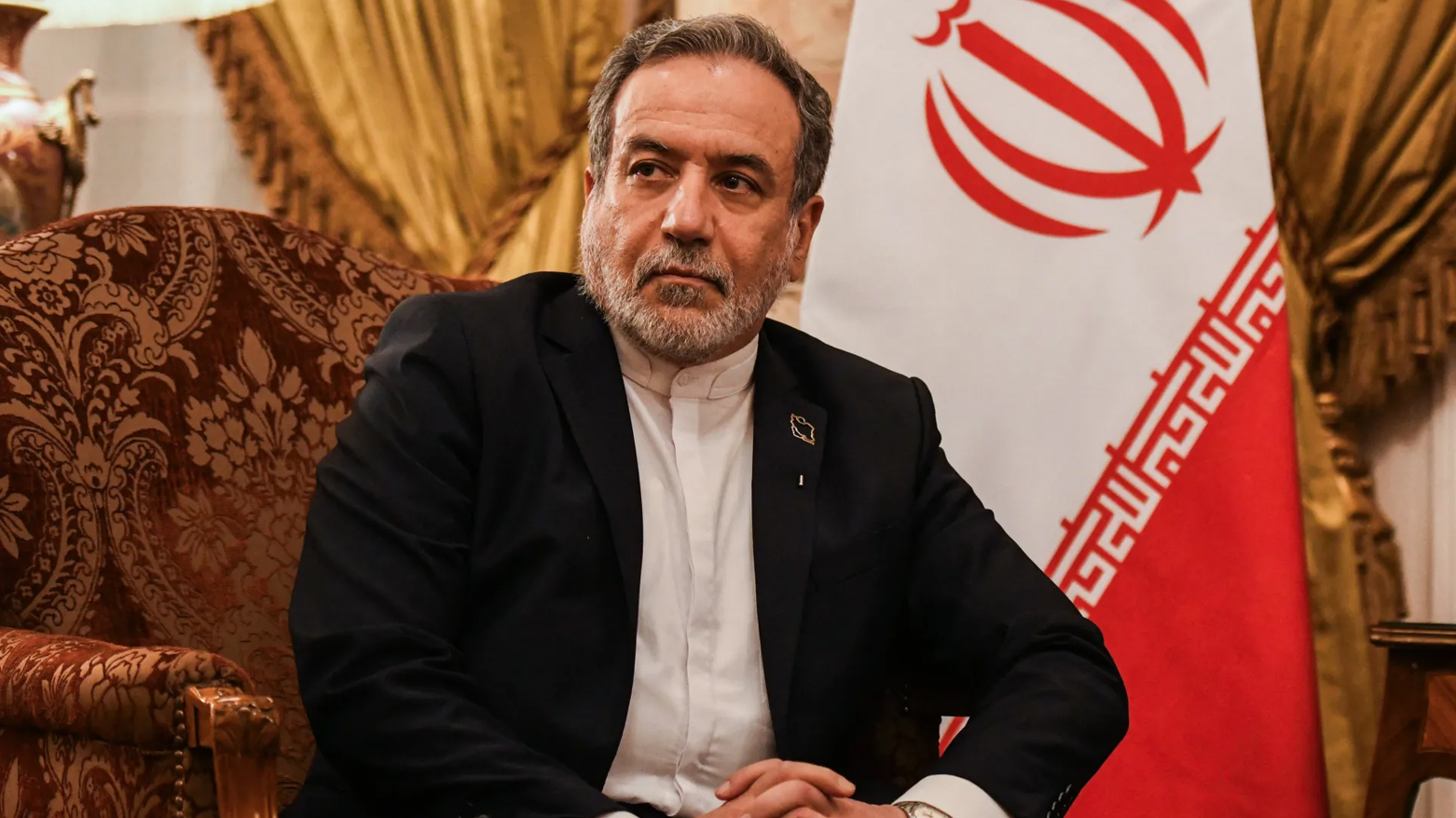
ERBIL (Kurdistan24) - Iranian Foreign Minister Abbas Araghchi on Friday disclosed extensive new details about ongoing negotiations with the United States, asserting that the removal of maritime restrictions and the reopening of the Strait of Hormuz remain central components of the proposed memorandum of understanding, while insisting that Iran will not compromise on what he described as its national interests.
His remarks came as diplomatic momentum surrounding a possible U.S.-Iran agreement continued to build, with both Iranian and American officials signaling that negotiations may be approaching a decisive stage.
Speaking during a televised interview on Friday, Araghchi said the proposed agreement faces opposition, identifying Israel as its primary opponent.
"This agreement has enemies, and foremost among them is Israel, which is trying to undermine it," Araghchi said, while urging the Iranian public to remain calm and dismiss unofficial reports regarding the negotiations.
He criticized reports circulating about the contents of the agreement, saying that no text published so far is official or reliable.
Araghchi also criticized U.S. President Donald Trump's communication style, arguing that Tehran would have already accepted Washington's conditions if it intended to surrender to pressure.
"We must stop threats and speak to the Iranian people with respect," he said.
The foreign minister emphasized what he described as the close relationship between diplomacy and military deterrence, saying the Strait of Hormuz remains an important strategic tool for Iran and that Tehran has demonstrated its ability to respond to pressure.
He added that Iran remains prepared for any military confrontation, while warning that no final agreement would be signed unless all agreed conditions are fulfilled.
Araghchi described the removal of maritime restrictions as the first pillar of the proposed agreement.
He said the Strait of Hormuz is jointly administered by Iran and Oman and claimed that future management of the waterway would differ from previous arrangements.
"For years our services there were provided free of charge, but from now on the management of the Strait will not continue as before, and service costs will be collected from ships," Araghchi said.
He stressed that Iran would not impose transit tolls because international law does not permit such measures, but said service fees would be charged to vessels using facilities associated with the Strait.
According to Araghchi, Iran is consulting with both China and Oman regarding future management arrangements, and Tehran and Muscat are expected to issue a joint statement on the matter.
Araghchi rejected claims made by some U.S. officials regarding Iran's enriched nuclear materials.
Contradicting recent statements from Washington, he said any future arrangement concerning enriched nuclear material would require that such material remain inside Iran.
"Our position regarding enriched materials is that if their future is to be determined, the only acceptable solution is one inside Iran," he said.
The foreign minister also challenged remarks by U.S. Vice President J.D. Vance concerning frozen Iranian funds.
"After the memorandum is completed, everyone will see that the frozen funds will be released," Araghchi stated.
He added that reconstruction plans are also being discussed to compensate for damages suffered by Iran.
According to Araghchi, sanctions relief, the future of nuclear materials, and a reconstruction fund would be among the key topics discussed during a second phase of negotiations.
Araghchi said the memorandum of understanding is less than two pages long but has undergone repeated reviews, with Iranian officials carefully incorporating Tehran's demands into the text.
He explained that the Supreme National Security Council is overseeing the negotiations and will make the final decision regarding the agreement.
The foreign minister also revealed that the negotiations are structured in two phases, with nuclear issues deferred to the second stage while sanctions relief, reconstruction measures, and frozen Iranian assets are addressed within the memorandum itself.
According to Araghchi, the agreement could be signed within the coming days. If the final phase is completed successfully, he said, the memorandum would be signed digitally and remotely by both sides before being formally announced.
He again urged media organizations not to interfere with the process and allow negotiations to proceed calmly.
Parliament speaker stresses need for commitments
Separately, Iranian Parliament Speaker Mohammad Bagher Ghalibaf stressed that any future agreement must be based on full implementation of commitments.
In a post published on X on Friday, Ghalibaf said there is no alternative to honoring promises made during the negotiations.
"The promises that have been made must be preserved and implemented, without excuses or justifications," he wrote.
Ghalibaf added that there is no other viable path for the anticipated agreement and suggested that all parties would ultimately face the consequences of their actions.
His remarks came hours after Araghchi stated that the proposed memorandum between Tehran and Washington had never been closer to completion.