The Taste of the Mountains: How Wood-Fired Dolma Became Akre's Ultimate Tourist Attraction
In a district long celebrated for its spectacular peaks, a traditional Kurdish dish has transcended the family table to become a massive culinary draw, redefining tourism in Kurdistan Region.
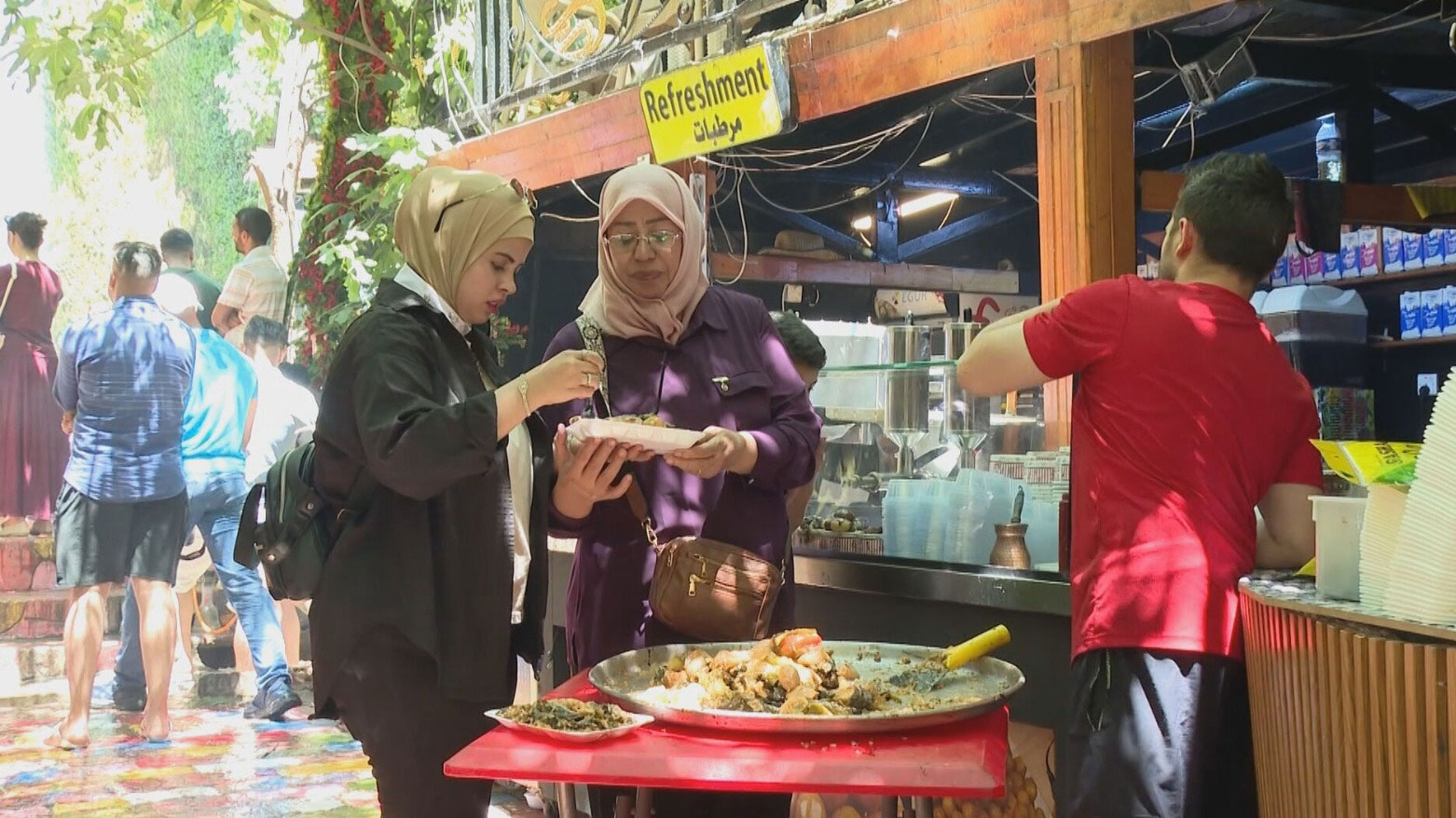
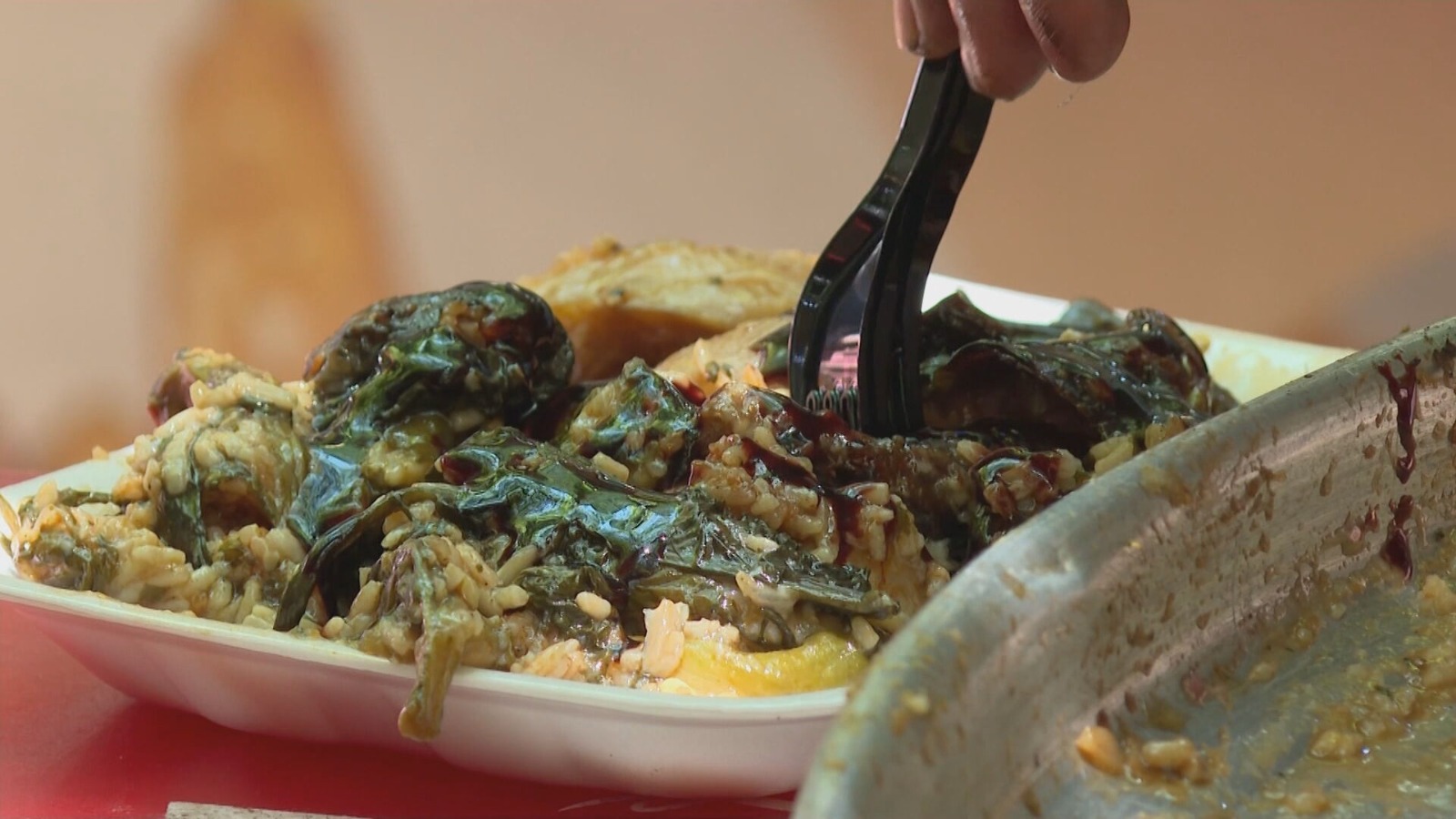
ERBIL (Kurdistan24) - High in the tiered, stone-carved district of Akre, where the jagged silhouettes of the mountains frame every horizon, a peculiar kind of theater unfolds daily at the edge of wood-fired hearths. It is the ritual of the "flip." A large, soot-stained pot is hoisted from the flames and inverted with a heavy, practiced grace onto a wide communal tray. As the vessel is slowly lifted, the collective breath of waiting travelers catches. The artistry of the cook is finally revealed: a steaming, tectonic cascade of vine leaves, onions, and eggplants, glistening with aromatic juices that slide down the mound like mountain streams through a spring meadow.
It is a sensory payoff that renders the long trek to this northern outpost instantly worth the effort, and it is the primary reason why "Dolma fever" is currently sweeping through the district's resorts and valleys.
While visitors still arrive to marvel at the pristine natural beauty of the Kurdistan Region, an increasing number are traveling hundreds of miles for this specific culinary experience.
Dolma, the traditional Kurdish delicacy of stuffed vegetables, has rapidly transcended its origins as a staple of intimate family gatherings to become the undisputed centerpiece of Akre's booming tourism sector.
In resorts, bustling markets, and local restaurants, the dish now dictates the local economy, drawing a steady stream of devoted culinary pilgrims from across Iraq.
The secret to this phenomenon lies in a fierce commitment to authenticity.
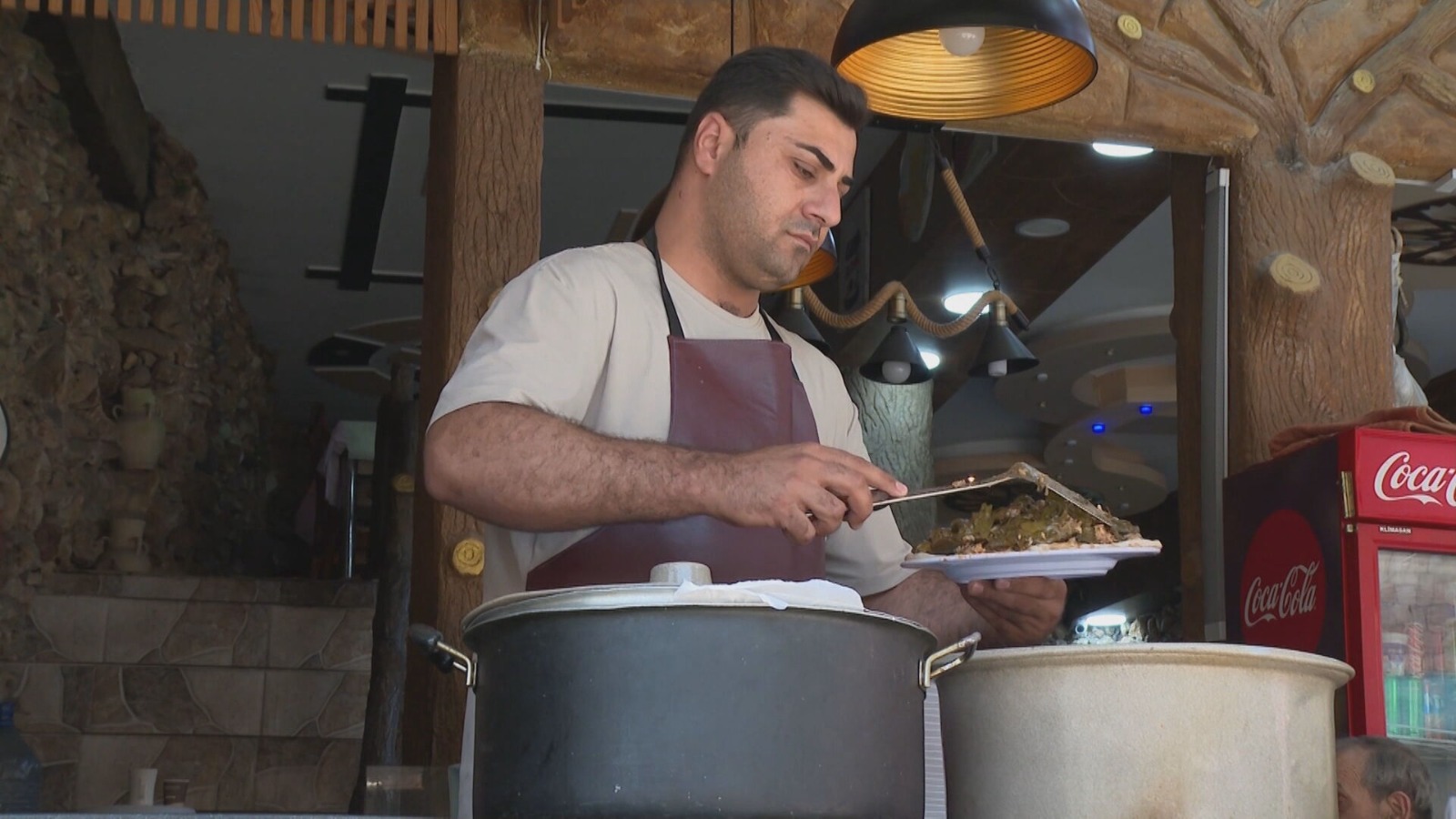
The dish is not mass-produced in industrial kitchens. Instead, it is meticulously prepared by expert Kurdish women within local homes before being slow-cooked over traditional wood fires at local tourist sites.
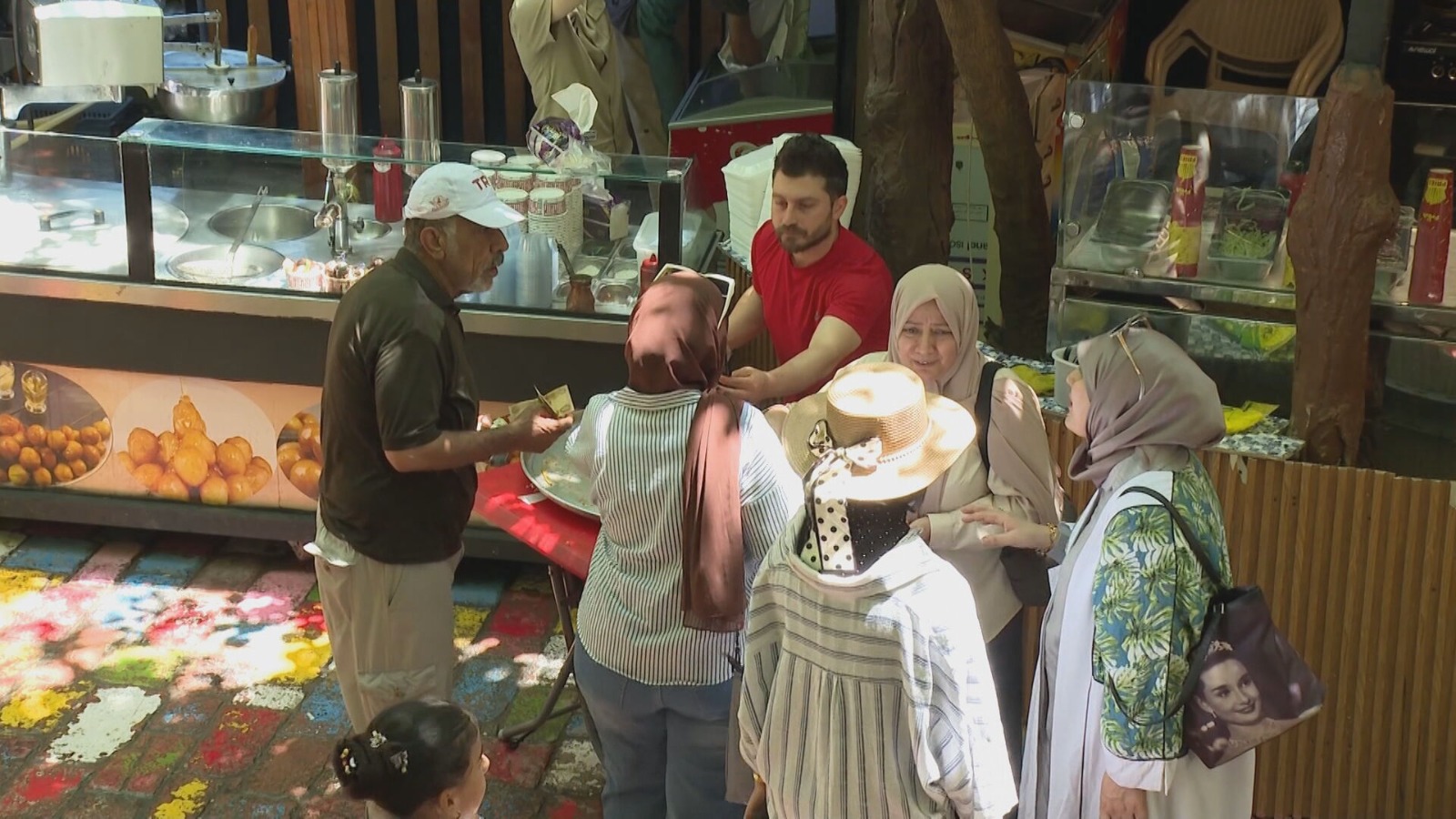
Aziz Abdulkhaliq, a cook and food vendor at a prominent local resort, explained how the dish's popularity has completely transformed the local hospitality industry.
"We prepare the Dolma in local homes, where it is crafted by the hands of local women," Abdulkhaliq told Kurdistan24 in a recent report highlighting the trend. "It is then cooked over a wood fire using a unique blend of spices and seasonings. The reception from tourists is extraordinary; the moment they arrive, they bypass all other options and order Dolma."
The demand has become so overwhelming, Abdulkhaliq noted, that many local businesses have pivoted almost entirely. "Our primary business focus has shifted entirely to preparing this dish and meeting the ever-growing demand."
For travelers making the arduous journey from central and southern Iraq, the steaming platters of Dolma serve as the ultimate reward.
The slow cooking process over open firewood imparts a subtle smokiness, while a precise, closely guarded ratio of sour seasonings and local spices creates a flavor profile that distinguishes Akre's version from those found elsewhere in the country.
Mohammed Kaab, a tourist visiting the area, described the dish's reputation among domestic travelers. "We came here specifically to enjoy the scenery and taste Akre's famous food," Kaab told Kurdistan24. "Akre is renowned for its high-quality cuisine, especially its Dolma. For those of us coming from the southern provinces, the dish here is completely distinct, particularly its rich, tangy, and perfectly matured flavor."
The dedication of these culinary tourists is striking. Haidar Hussein, who traveled from the southern city of Samawah, admitted that the anticipation of the meal dictated his entire itinerary.
"Whenever I decide to visit Akre, I skip meals along the way just so I can fully enjoy the Dolma here," Hussein said. "The spices and the sour seasonings make it incredibly delicious. I can honestly say I traveled all the way from Samawah just for the unique taste of Akre's Dolma."
The rise of Dolma as a commercial phenomenon highlights a broader shift in the Kurdistan Region's tourism strategy.
While natural landmarks and historical sites remain the primary draw, cultural tourism, specifically the promotion of regional cuisine, is emerging as a powerful economic driver. By commercializing Dolma without sacrificing its traditional preparation methods, Akre has successfully monetized its culinary heritage, generating vital income for local families.
The transformation of Dolma from a domestic comfort food into the pinnacle of the regional tourism menu underscores the deep connection between culture and hospitality in the Kurdistan Region.
As the aromatic smoke from the wood fires continues to drift across Akre's dramatic landscapes, it serves as a potent reminder that, for many travelers, the true essence of a destination is best discovered at the dining table.
|
Summary Akre's tourism industry is experiencing a culinary boom driven by Dolma. Prepared by local women and slow-cooked over wood fires, the traditional Kurdish dish has become a massive draw, particularly for visitors from southern Iraq, transforming local menus and highlighting the region's culture. |