Iran Casts Doubt on Trump's Peace Deal as Israeli Strikes Hit Beirut
The latest setback came hours after Israel, which launched the war alongside the United States in February, said its military had carried out strikes targeting Iran-backed Hezbollah positions in Beirut's southern suburbs.
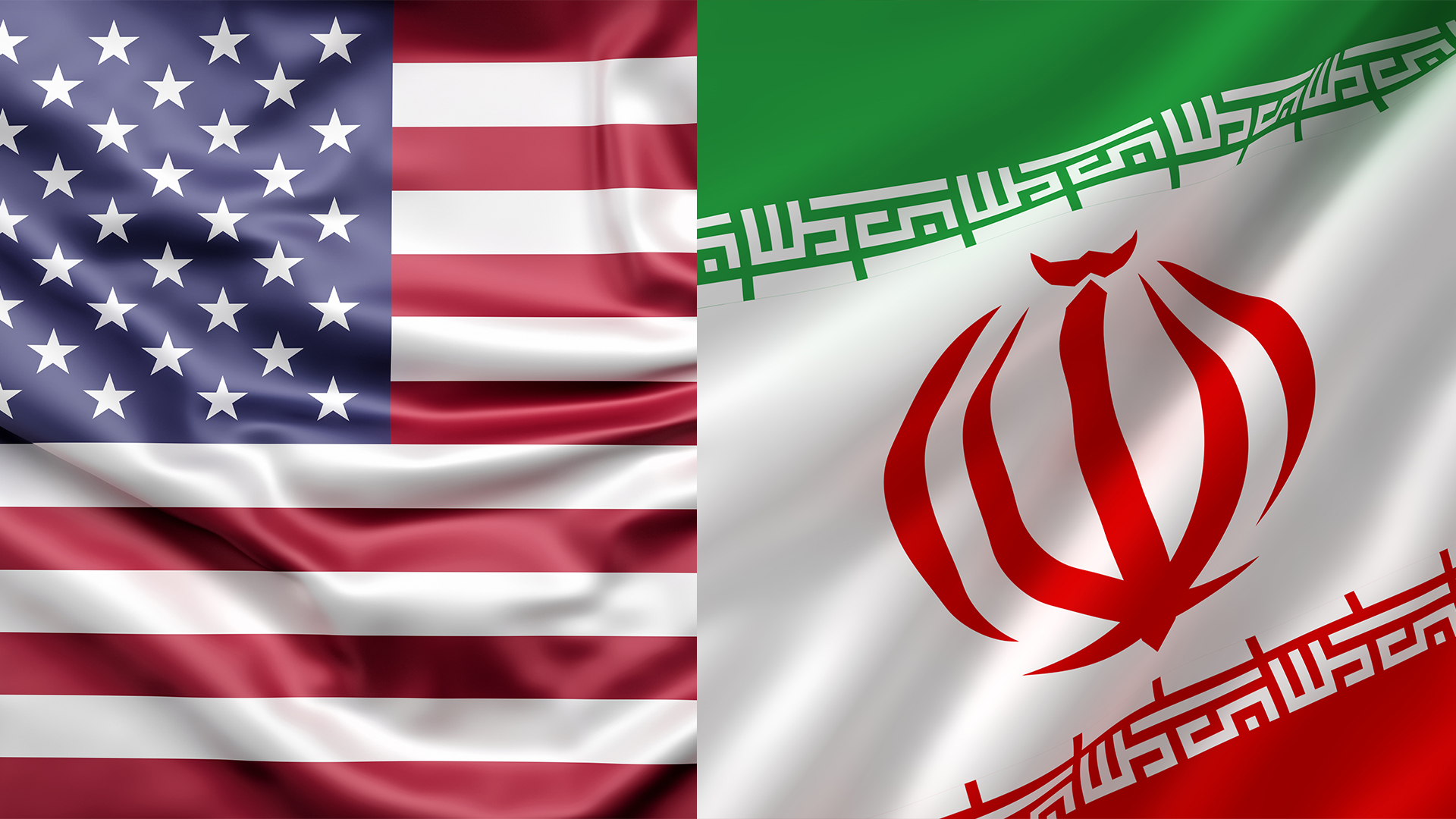
ERBIL (Kurdistan24) – Iran said on Sunday there was "no point" in continuing peace talks with the United States, accusing Washington of failing to uphold its commitments and raising fresh doubts over a deal that U.S. President Donald Trump had said would be signed imminently.
The latest setback came hours after Israel, which launched the war alongside the United States in February, said its military had carried out strikes targeting Iran-backed Hezbollah positions in Beirut's southern suburbs.
Trump had previously said an agreement to end the Middle East conflict could be signed as early as Sunday and that the strategically important Strait of Hormuz would reopen immediately after the deal was finalized. However, Iranian officials offered a far less certain timeline.
"The Zionists' aggression against Dahieh once again showed that the United States either lacks the will to implement its commitments or lacks the ability to do so," Iran's chief negotiator, Mohammad Bagher Ghalibaf, wrote on X, referring to Beirut's southern suburbs.
"If you do not have the will or the ability to fulfil your commitments, then there is no point in talking about continuing down this path," he added.
Throughout weeks of negotiations, Trump repeatedly said an agreement with Tehran was close, and on Saturday he declared that the accord was "scheduled to get signed tomorrow, and immediately after it is signed, the Hormuz Strait is open to all."
Iran, however, has insisted that any agreement to end the wider Middle East war must also address the parallel conflict in Lebanon. Israeli strikes on Beirut a week earlier had prompted a retaliatory Iranian missile barrage.
Iranian Brigadier General Mohammad Jafar Asadi warned that the latest Israeli attacks "will not go unanswered."
A U.S. official said on Friday that the proposed agreement included provisions related to Lebanon, which became part of the broader conflict after Hezbollah launched rockets at Israel on March 2.
Pakistan, which has played a key mediating role between the sides, also said that the signing of the deal was planned for Sunday.
Despite those expectations, Iran's Fars news agency, citing a source close to the Iranian negotiating team, reported on Sunday that Tehran had "not yet taken or announced its final decision," leaving the fate of the proposed agreement uncertain.