Gulf States Welcome US-Iran Agreement, Emphasize Regional Security and Non-Interference
Saudi Arabia, Qatar, and Kuwait voice support for a framework aimed at ending military operations and launching negotiations toward a permanent settlement
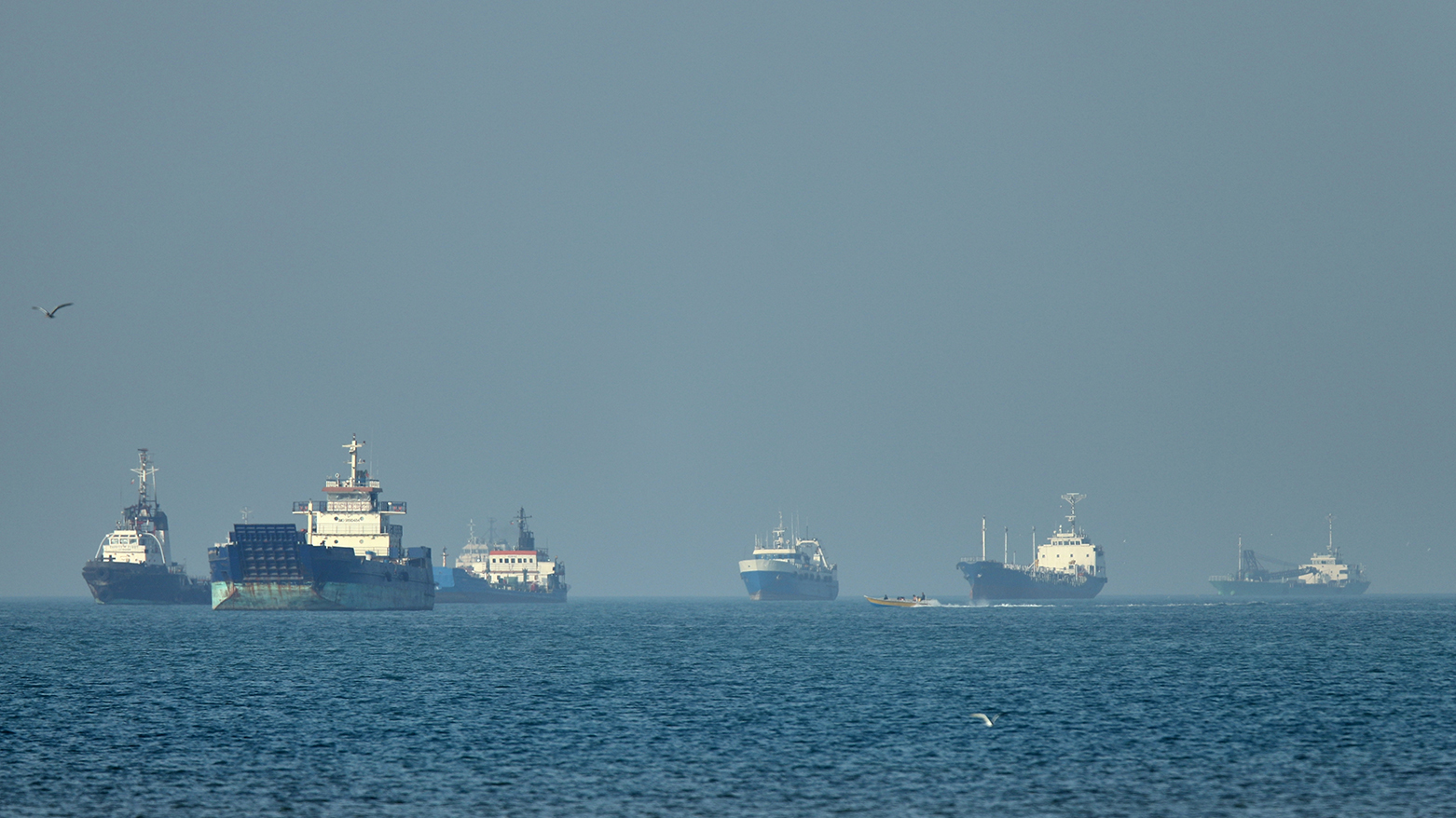
ERBIL (Kurdistan24) — Saudi Arabia, Qatar, and Kuwait on Monday welcomed the newly announced agreement between the United States and Iran to halt military operations and begin negotiations aimed at reaching a long-term settlement, while stressing that any durable accord must address broader regional security concerns.
Saudi Arabia: Riyadh welcomed the agreement and called for a lasting arrangement that takes into account the security interests of regional states and upholds the principle of non-interference in the internal affairs of other countries.
Qatar: Doha described the memorandum of understanding as an important step toward sustainable peace and economic growth, including ensuring freedom of navigation in the Strait of Hormuz, and praised mediation efforts by Pakistan and other regional and international partners.
Kuwait: Kuwait welcomed the understanding and said it hoped the deal would support broader efforts to resolve disputes peacefully, strengthen trust among neighboring states, reject interference in domestic affairs, and ensure continued freedom of navigation in the Strait of Hormuz.
Saudi Arabia: Peace Must Protect Regional Security
In a statement posted by the Saudi Ministry of Foreign Affairs, the kingdom said it welcomed "the agreement reached between the United States of America and the Islamic Republic of Iran to end military operations and initiate detailed negotiations within 60 days to reach a permanent agreement."
The statement added that a sustainable peace arrangement should be one "that takes into consideration the security interests of regional states" and adheres to the principle of non-interference in the internal affairs of other countries.
Qatar Praises Diplomacy and Economic Benefits
Qatar's Ministry of Foreign Affairs said the memorandum of understanding was an important step toward "consolidating sustainable peace and promoting economic growth regionally and internationally."
Doha also highlighted the agreement's provisions on ensuring freedom of navigation in the Strait of Hormuz, a critical global energy and trade route.
The Qatari statement commended the efforts of Pakistan and other regional and international actors that contributed to de-escalation and facilitated the agreement.
"The Ministry reaffirms the State of Qatar's full support for all efforts and initiatives aimed at enhancing regional security and stability and reaching sustainable solutions to outstanding issues through dialogue and peaceful means," the statement said.
Kuwait Calls for Constructive Negotiations
Kuwait's Foreign Ministry welcomed what it described as an understanding that includes an immediate and permanent cessation of military operations and guarantees freedom of navigation in the Strait of Hormuz.
The ministry also praised the roles played by Pakistan, Qatar, and other countries in bridging differences and creating conditions for the agreement.
Kuwait said it hoped the deal would contribute to broader efforts to resolve disputes peacefully, strengthen trust among neighboring states, reject interference in domestic affairs, and end support for proxy conflicts.
The statement called on all parties to engage in upcoming negotiations with a "positive and constructive spirit" to promote regional stability, cooperation, and prosperity.
Broader Regional Context
The reactions from Riyadh, Doha, and Kuwait underscore the strong interest among Gulf states in preventing further escalation and protecting strategic waterways such as the Strait of Hormuz. While the agreement has been welcomed as a diplomatic breakthrough, key details of the U.S.-Iran framework remain unresolved, including issues related to Iran's nuclear program, sanctions relief, and long-term security arrangements.
Gulf governments have signaled that they will closely watch the forthcoming negotiations to ensure that any final settlement addresses both bilateral U.S.-Iran concerns and the wider security architecture of the Middle East.