Speculation and Scarcity Drive Iraqi Dinar Lower as Baghdad Rejects Devaluation Fears
While the closure of the Strait of Hormuz chokes oil revenue, currency markets in Erbil and Baghdad grapple with a dollar shortage and a wave of disruptive rumors.
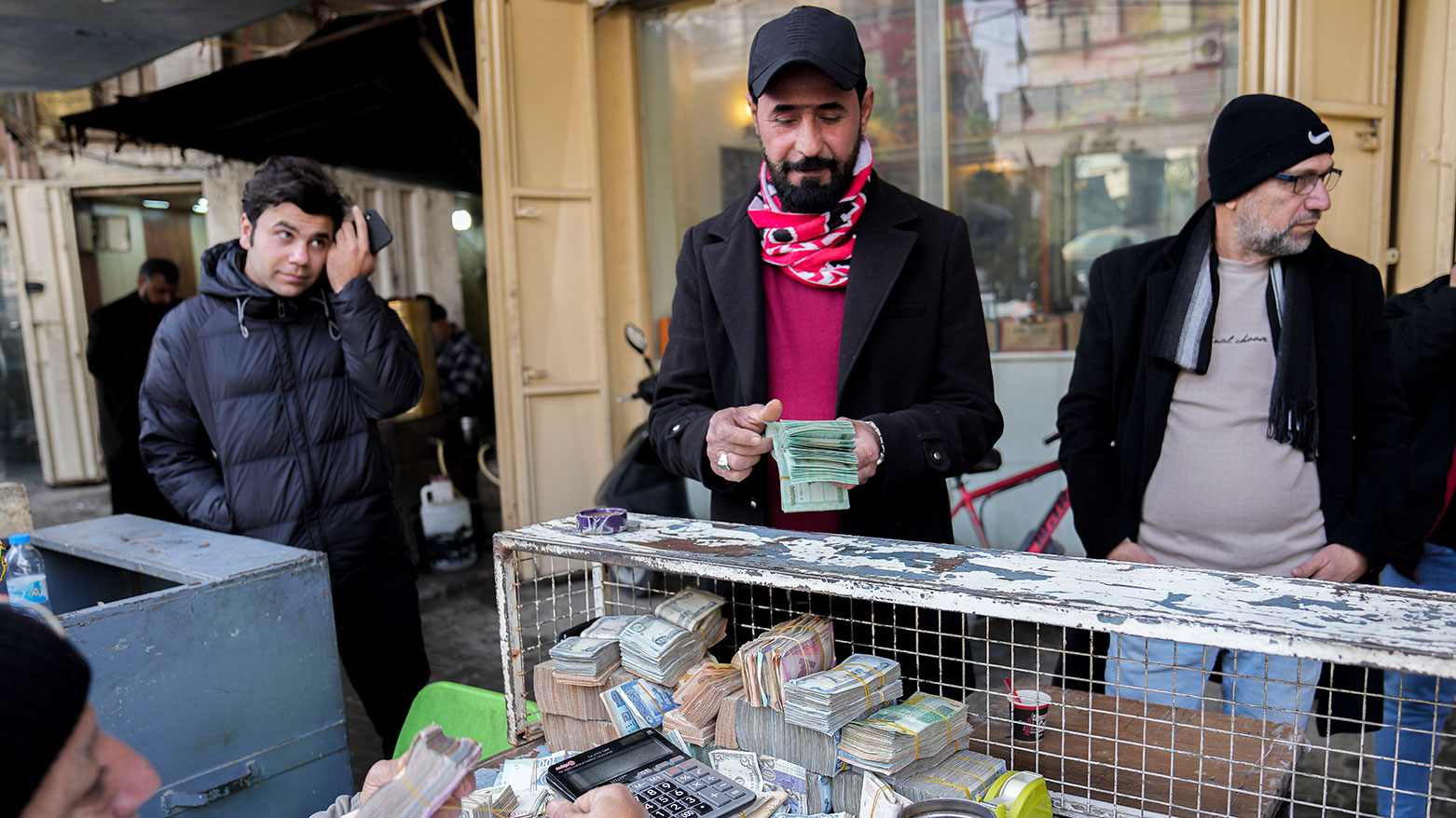
ERBIL (Kurdistan24) - In the bustling corridors of Erbil's currency bazaar, the rhythmic exchange of notes has taken on a frantic pace as the U.S. dollar climbs sharply against the Iraqi dinar. On Tuesday, the local market was defined by a volatile mix of genuine scarcity and a feverish wave of speculation, leaving traders and citizens alike struggling to find firm footing in an increasingly unstable financial landscape.
The immediate source of the tremor appears to be a sudden tightening of dollar liquidity originating in Baghdad. Mam Sayid, a prominent currency exchanger in Erbil's bazaar, told Kurdistan24 on Tuesday that the primary driver behind the dollar's surge is a physical shortage of the currency.
While the Central Bank of Iraq (CBI) continues to sell dollars, Sayid noted that the pace is depleting national reserves at a concerning rate.
The resulting anxiety is manifesting in sharp price fluctuations.
According to Sayid's 24-hour market update, the exchange rate moved from approximately 154,000 IQD per $100 on Monday morning to as high as 156,000 IQD by Tuesday.
This rapid depreciation has been further fueled by a persistent rumor that the Central Bank intends to raise the official exchange rate to 142,000 IQD, a move that would effectively codify a devaluation of the national currency.
Sayid was emphatic that the disruption is a product of policy uncertainty in the capital rather than local conditions in the Kurdistan Region.
The fiscal squeeze is undeniable, and its roots are deeply anchored in the region's geopolitical volatility. Iraq's financial health is inextricably tied to its oil exports, and the recent conflict has dealt a staggering blow to the state's revenue streams.
Mazhar Mohammed Salih, a senior economic advisor to Iraqi Prime Minister Ali al-Zaidi, recently provided Kurdistan24 with a stark assessment of the crisis.
He explained that the ongoing closure of the Strait of Hormuz, the maritime chokepoint through which 85 percent of Iraq's oil once flowed daily, has severely restricted the government's financial capacity.
However, Salih moved decisively to quell the market's worst fears. In an interview with Kurdistan24, he categorically denied reports that the government plans to officially devalue the dinar to offset the revenue shortfall.
"At this stage, the Iraqi government has no plans to raise the value of the dollar," Salih stated, characterizing reports of an impending hike as baseless.
He noted that the administration is instead aggressively pursuing alternative economic mechanisms to navigate the current fiscal crunch without resorting to a policy-led increase in exchange rates.
Despite these official reassurances, the psychology of the bazaar often moves faster than the directives from the Prime Minister's office.
In a highly dollarized economy like Iraq's, rumors of a pending rate change often become self-fulfilling prophecies.
Traders, anticipating a more expensive dollar tomorrow, hoard their current holdings today, thereby strangling supply and driving prices up in a classic speculative loop.
The shift in market demand also reflects broader regional alignments. Mam Sayid revealed that while the dollar dominates the conversation, demand among traders has become concentrated on the Iranian toman.
Meanwhile, traditional trading in other major international currencies, such as the euro, the British pound, and the Chinese yuan, has effectively stalled. This stagnation in non-dollar trading highlights the unique, almost singular importance of the U.S. currency to Iraq's domestic stability and its ability to pay for essential imports.
The implications for the average Iraqi are significant.
A rising dollar translates directly into higher costs for imported goods, from basic foodstuffs to electronics and medicine, eroding the purchasing power of families already strained by the wider regional conflict.
For the al-Zaidi government, the challenge is twofold: they must manage a genuine liquidity crisis born of suppressed oil exports while simultaneously conducting a war of words against the rumors that threaten to unanchor the currency.
As the markets wait for a definitive sign of stability, predicting the dinar's trajectory remains a difficult task for even the most seasoned observers.
For Mam Sayid and his fellow traders in Erbil, the immediate future is a waiting game. Until the underlying scarcity is resolved and the "142,000" rumor is fully exorcised from the public consciousness, the Iraqi dinar will likely remain at the mercy of the prevailing winds blowing from Baghdad and the volatile waters of the Gulf.
|
Summary Iraq’s dinar has slipped as a dollar shortage and rumors of a rate hike hit markets. While Prime Minister Ali al-Zaidi's advisor denied devaluation plans, citing the Strait of Hormuz closure as the root fiscal cause, speculation has driven exchange rates toward 156,000 IQD per $100. |