Ano Jawhar Abdoka Urges Iraqi PM to Protect Christians and Ensure Fair Political Representation
A key focus of his remarks was a direct message to Iraqi Prime Minister Ali Al-Zaidi, in which he expressed cautious optimism about a “new era of stability and national partnership,” while urging decisive action to protect minority rights.
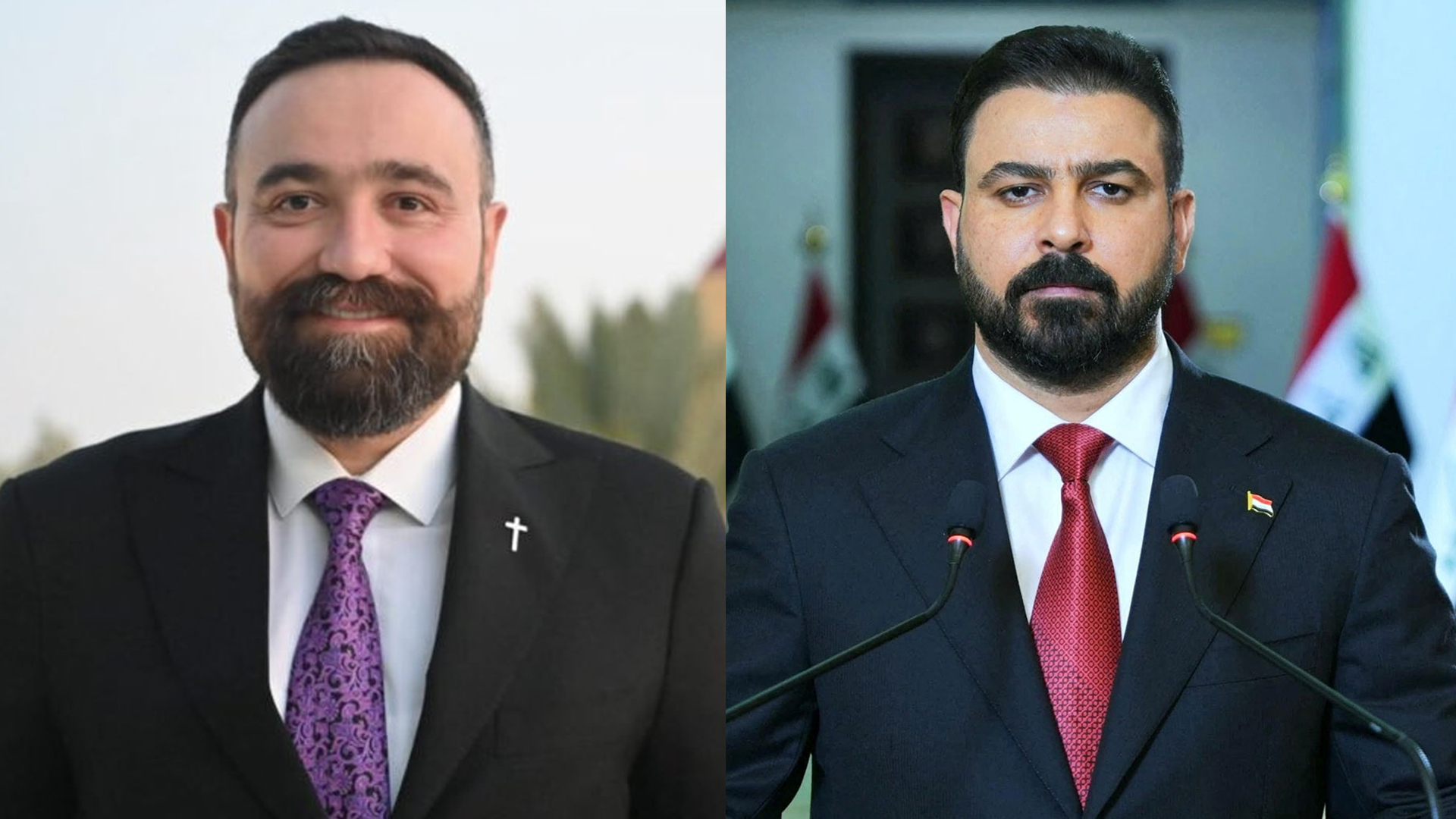
ERBIL (Kurdistan24) – Ano Jawhar Abdoka, Minister of Transportation and Communications of the Kurdistan Regional Government and Secretary-General of the Christian Alliance in Iraq and the Kurdistan Region, delivered a strong appeal to Iraqi leadership during the 33rd General Assembly of the Interparliamentary Assembly on Orthodoxy in Helsinki.
The conference, held under the theme “Christian Communities and Minorities in Times of Crisis: The Relationship between Society, State, and Church – Challenges and Hardships,” brought together parliamentarians from 26 countries, government officials, and senior church leaders from Europe, Asia, and the Arab region.
In his address, Abdoka highlighted what he described as mounting challenges facing Christian communities in Iraq and the broader Middle East, warning that their long-term survival depends on “genuine partnership, meaningful reforms, equal citizenship, fair representation, and the rule of law.”
A key focus of his remarks was a direct message to Iraqi Prime Minister Ali Al-Zaidi, in which he expressed cautious optimism about a “new era of stability and national partnership,” while urging decisive action to protect minority rights.
Abdoka called for an end to what he described as the influence of “militias, uncontrolled armed factions, and corrupt economic offices” in Christian-populated areas, particularly the Nineveh Plains and Mosul, arguing that such forces have undermined security and social stability.
He also stressed electoral reform, insisting that voting for Christian quota seats in Iraq’s parliament should be restricted to members of the Christian community to ensure authentic representation free from external influence. In his words, Christian representation must reflect “the will of Christians themselves, free from interference and regional agendas.”
Furthermore, he urged the Iraqi government to engage more closely with what he described as the “genuine representatives of Christians” in parliament, particularly within the Christian political blocs, regarding ministerial and administrative representation.
Abdoka concluded that the future of Christians in Iraq depends on strengthening state institutions, enforcing the rule of law, and eliminating all armed influence outside state authority. He emphasized that Christians, as indigenous communities of Mesopotamia, seek an Iraq built on justice, citizenship, and equal partnership among all components of society.
He expressed hope that the current political phase in Iraq would open the door to rebuilding trust and ensuring constitutional rights are protected “in a fair and equal manner” for all communities.