In Shaqlawa's 'City of Mulberries,' an Inaugural Festival Celebrates Harvest and Heritage
As the historic Kurdish town hosts its first major mulberry festival, a seasonal agricultural gathering highlights a broader regional push toward economic diversification, tourism, and community resilience.
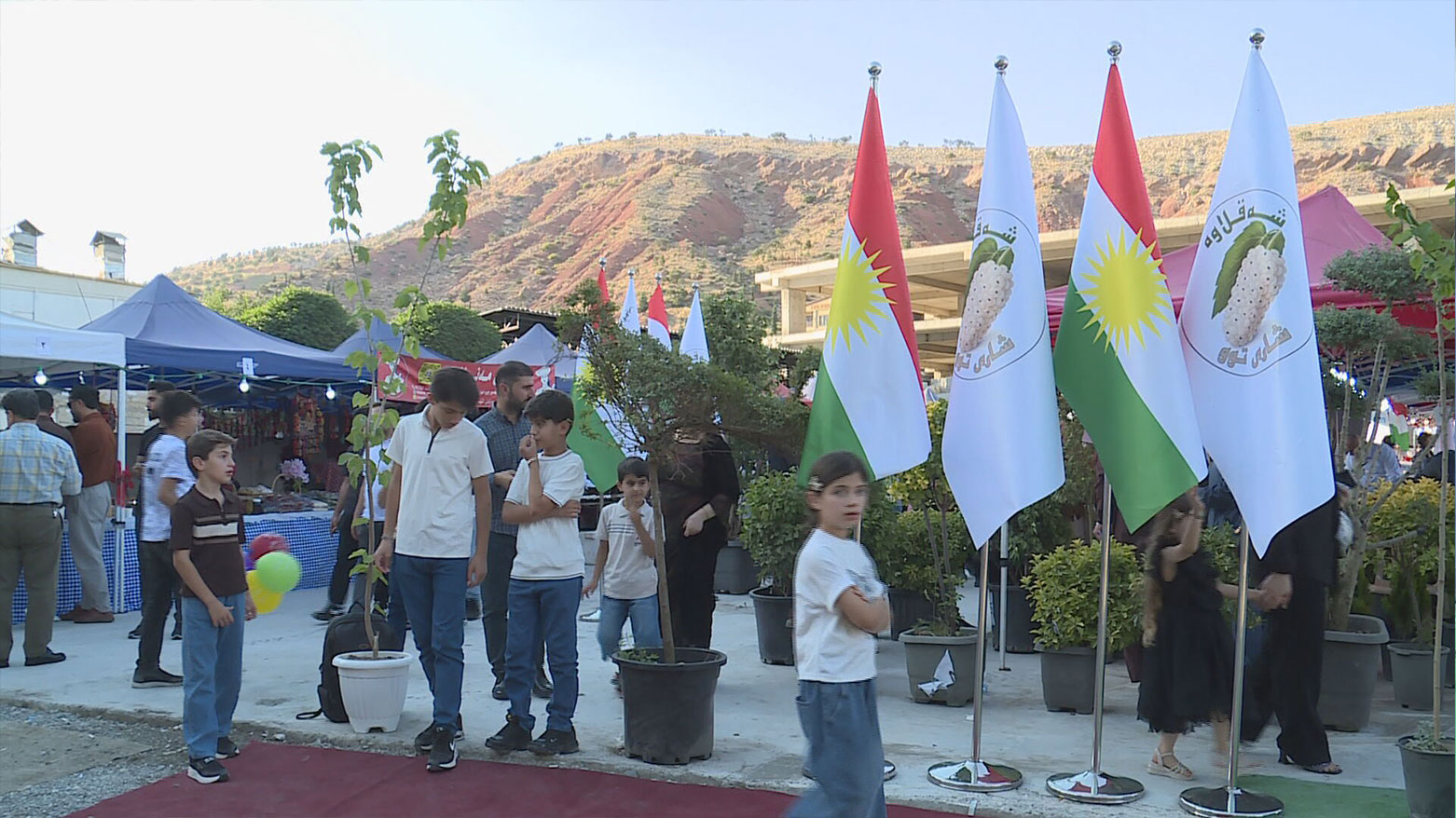
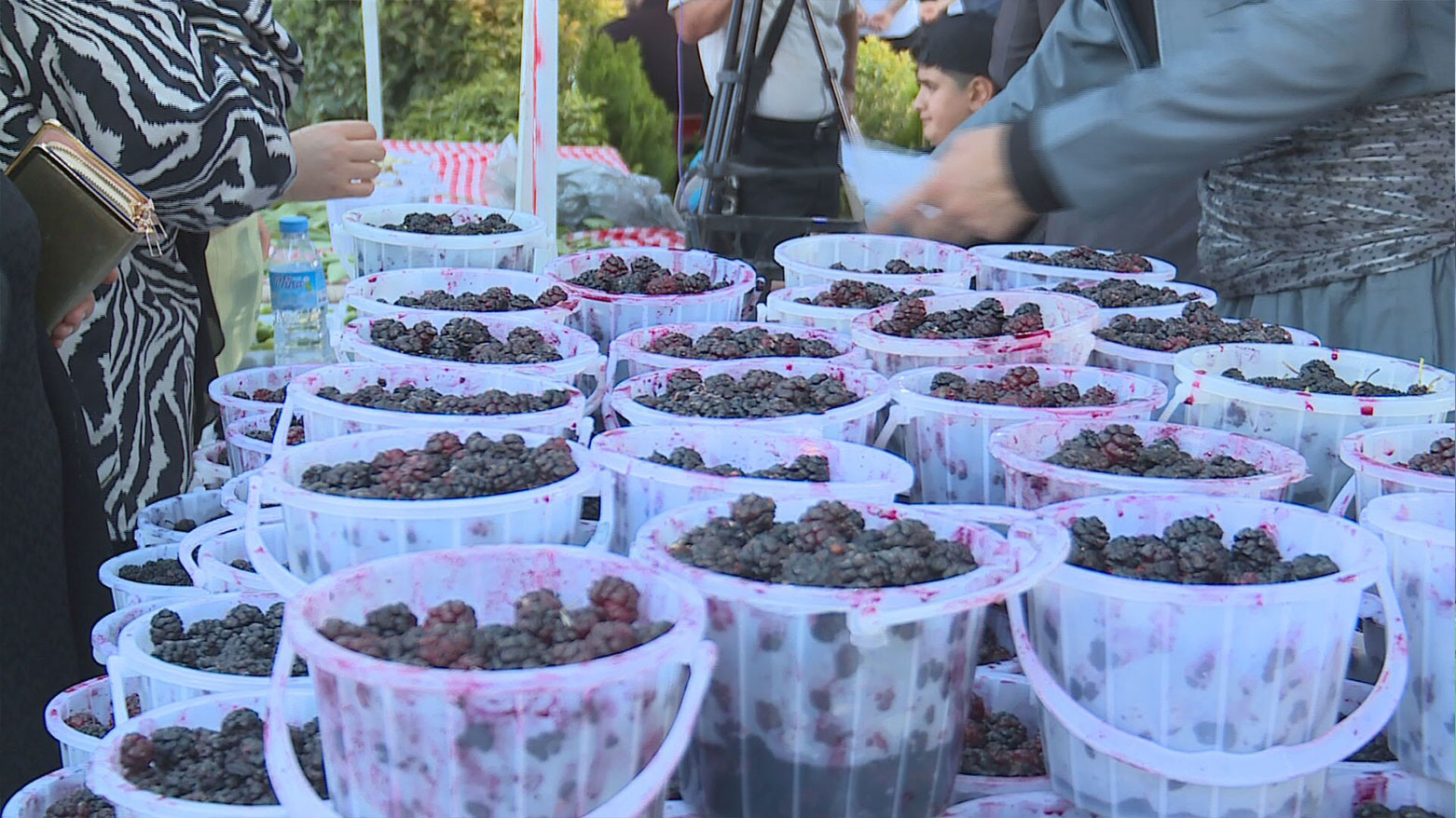
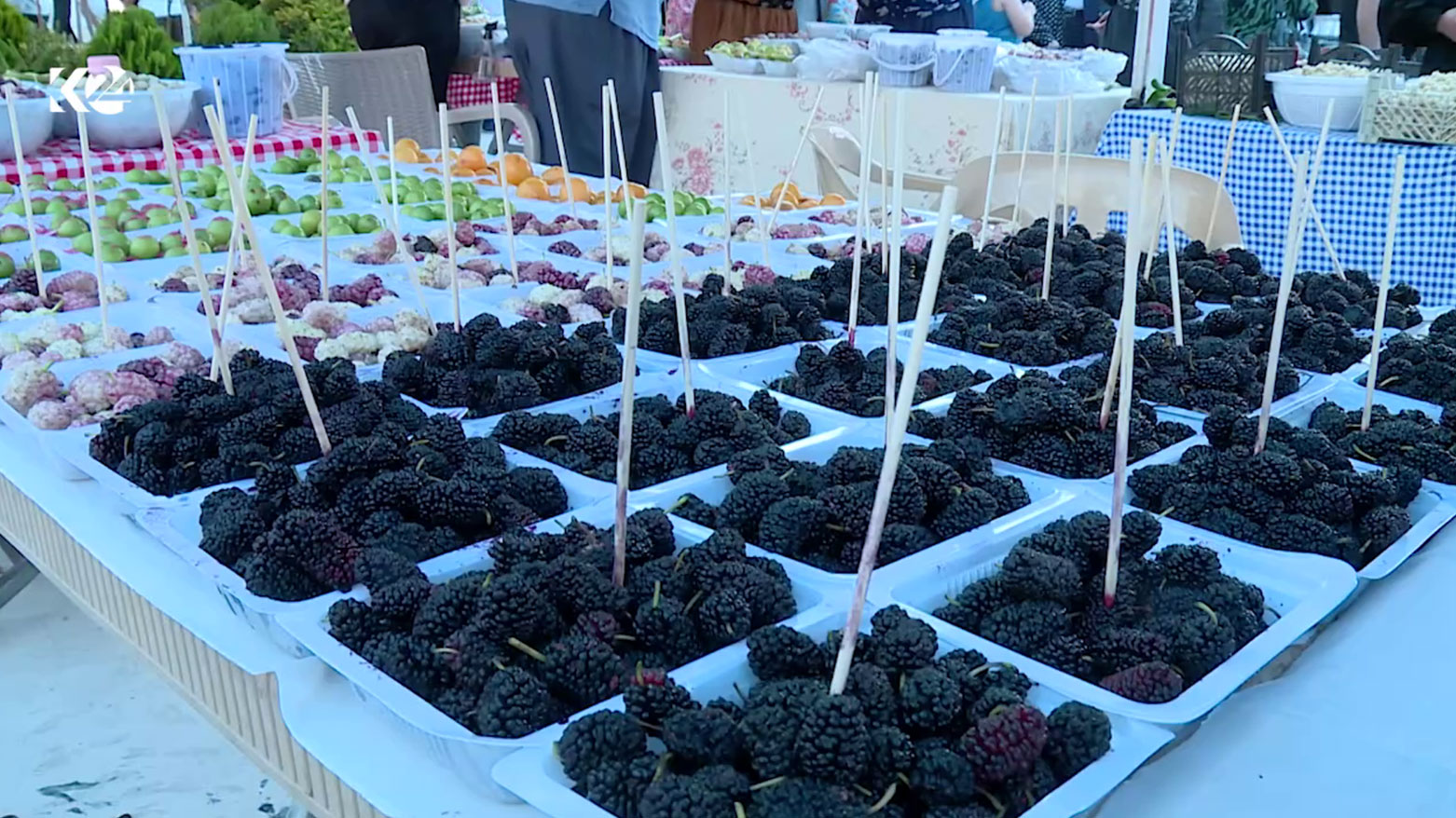
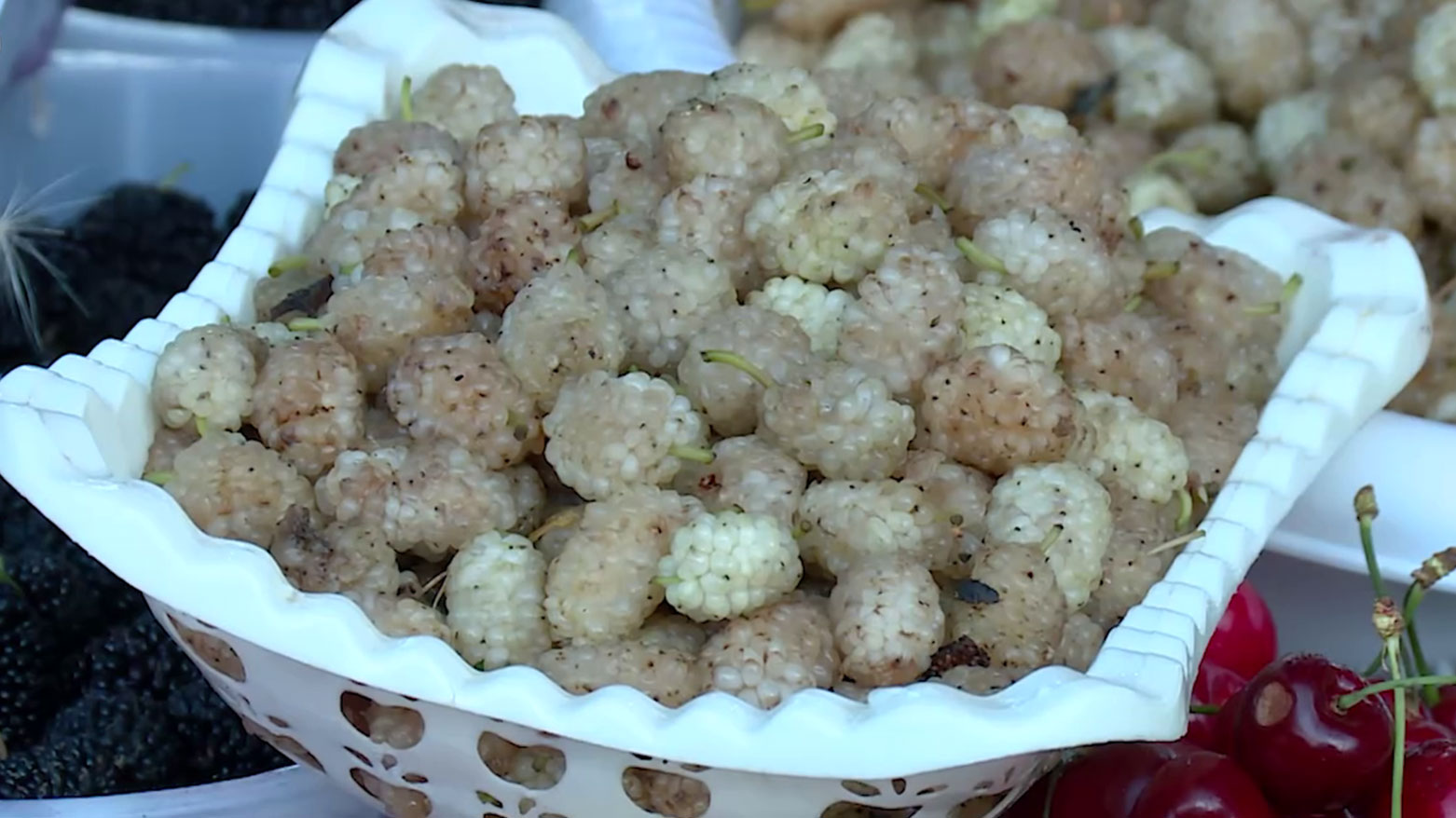
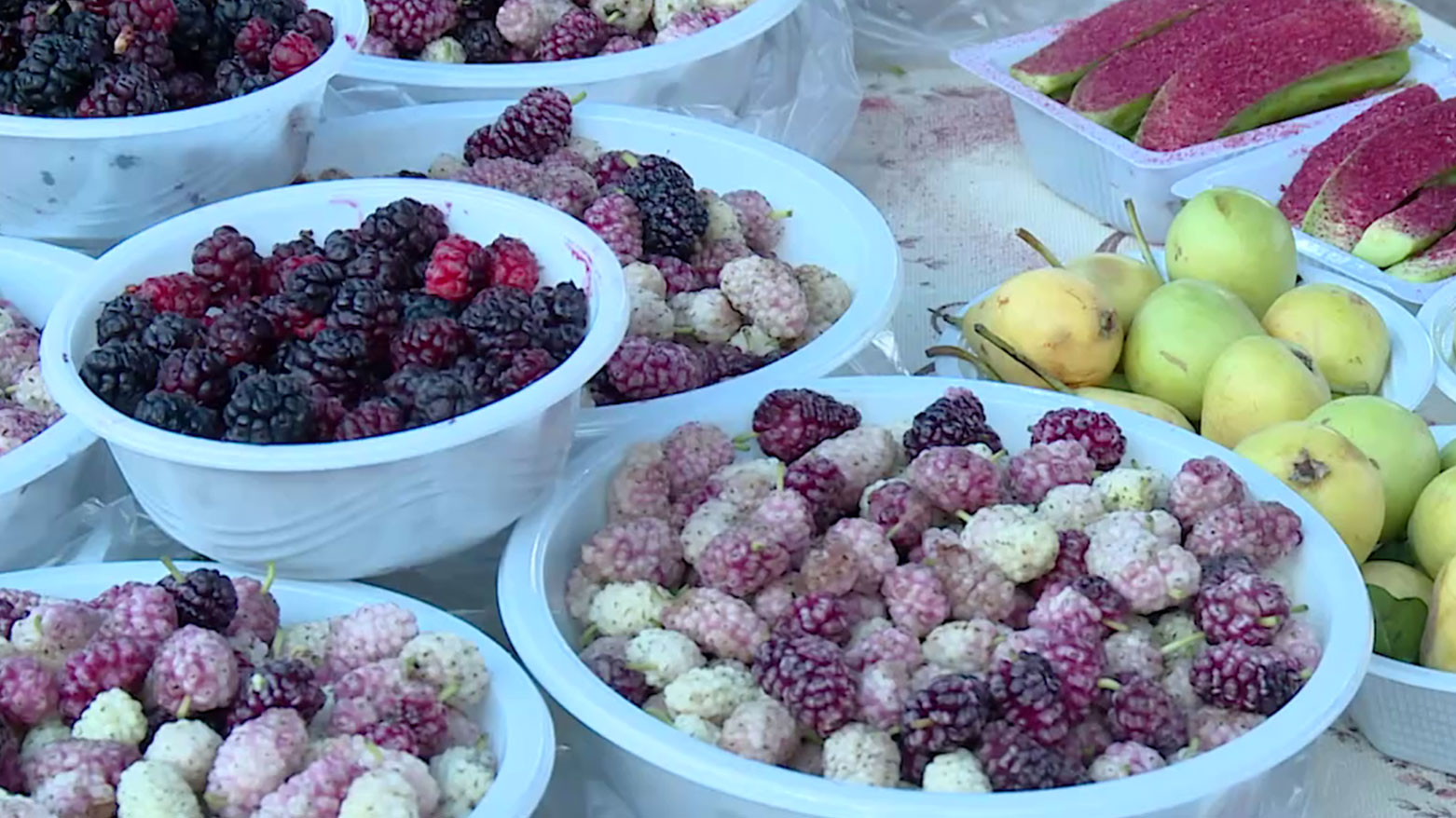
ERBIL (Kurdistan24) - Under the dramatic mountain ridges of Shaqlawa, the vibrant reds and deep purples of the local mulberry harvest have transformed the town center into a bustling marketplace. In an effort to celebrate and capitalize on its most famous agricultural export, the district hosted its first-ever Mulberry Festival on Friday, drawing thousands of tourists, families, and dignitaries to a celebration that represents far more than a simple seasonal yield.
For generations, the residents of Shaqlawa have tied their economic fortunes to the fertile soil of their orchards. But as the Kurdistan Region increasingly focuses on economic diversification and local tourism, the town is utilizing its agricultural heritage to build a distinct brand.
The inaugural festival, organized by local youth and civic leaders, successfully showcased Shaqlawa not just as a picturesque mountain retreat, but as the undisputed "City of Mulberries."
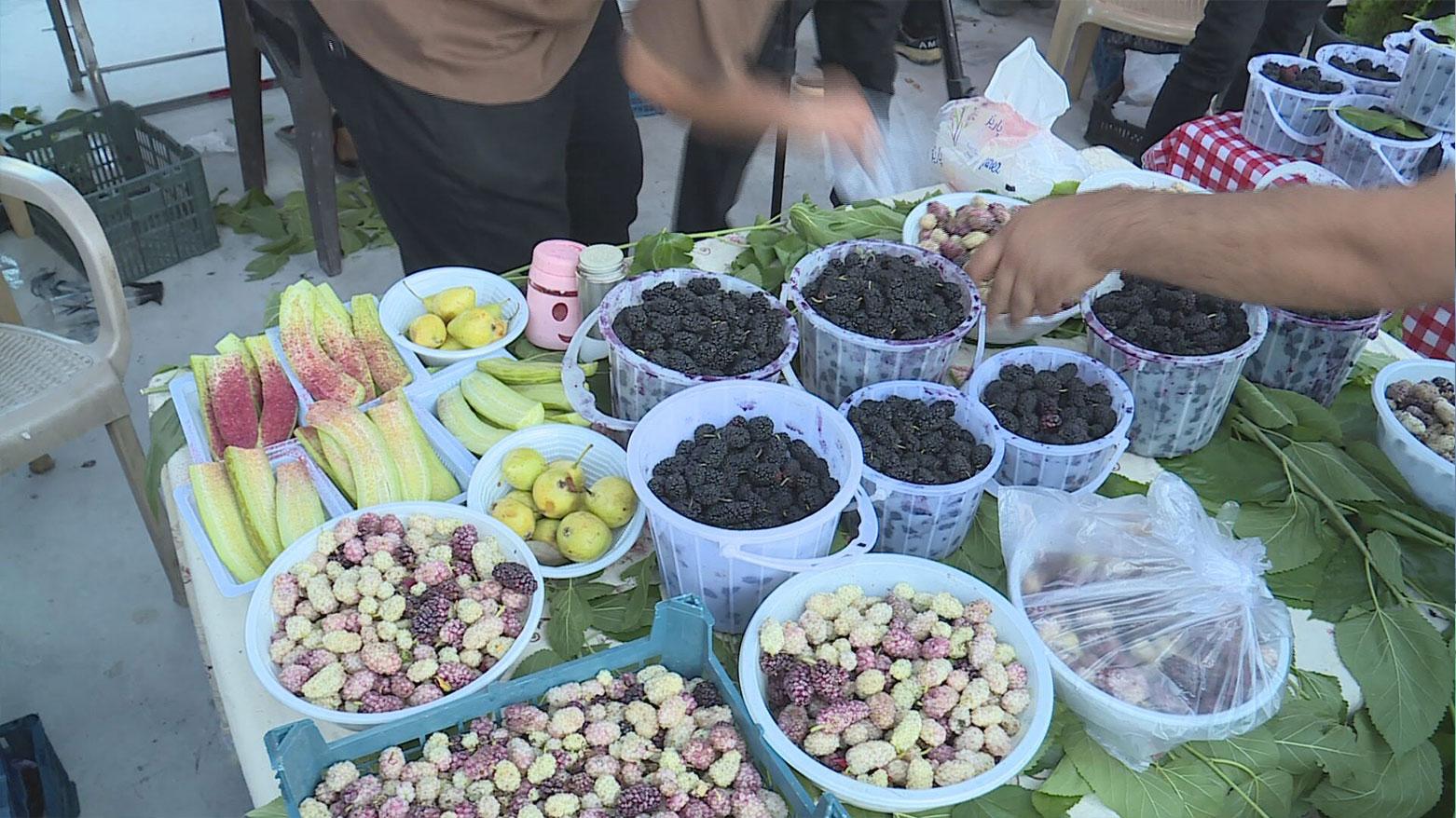
According to a detailed field report by Kurdistan24 correspondent Shaima Bayiz, the event immediately demonstrated its economic potential. On the first day alone, an estimated 6,000 visitors navigated the stalls, purchasing fresh fruit directly from the growers.
For vendors like Sirwan, who has spent more than a decade harvesting mulberries, the festival represents a fundamental shift in business.
"We used to work like this: we would bring them, take them to Erbil, and sell them at the Erbil wholesale market," Sirwan told Kurdistan24. "But honestly, now this festival is truly a good thing for us; we sell our products right here."
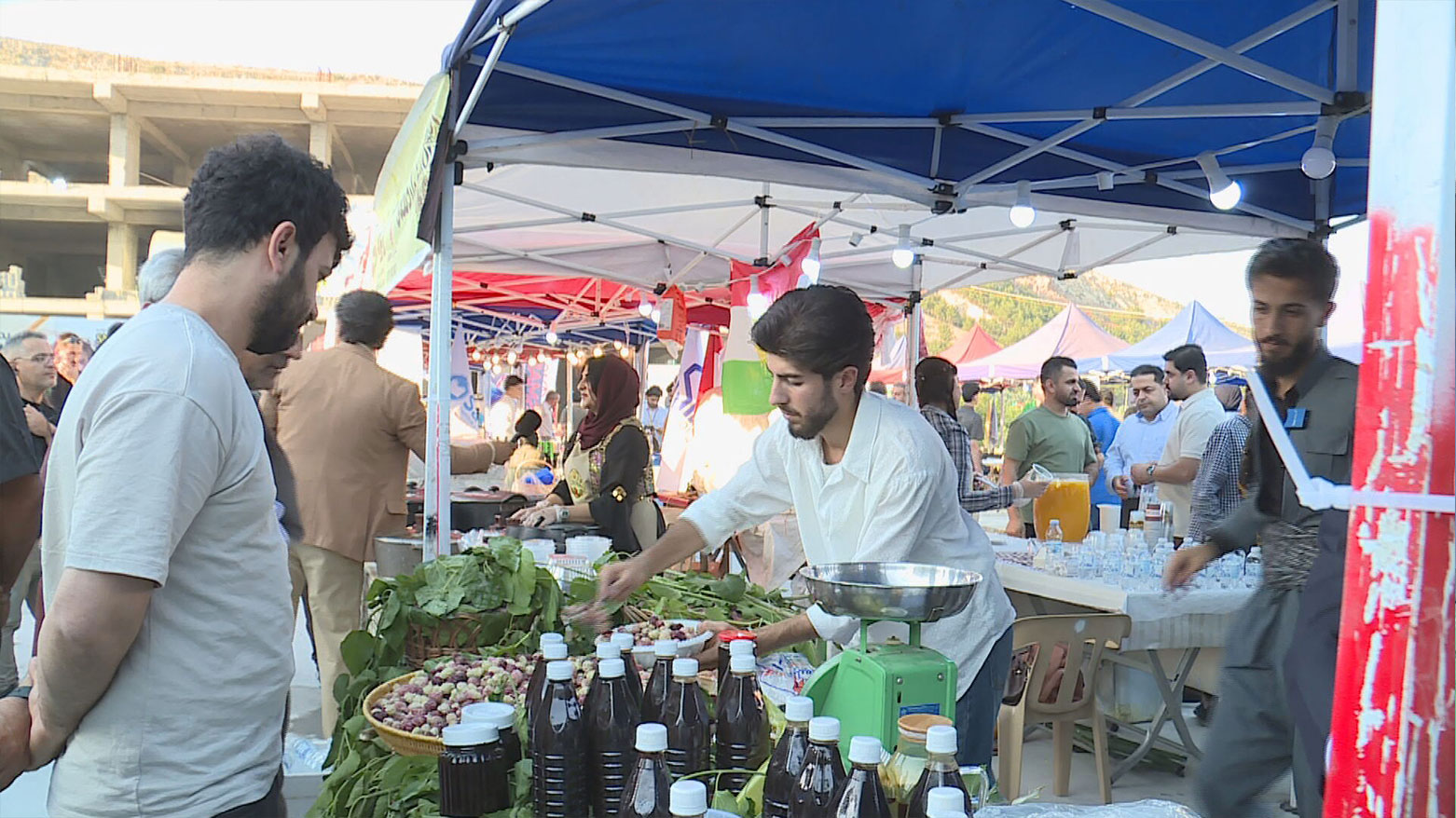
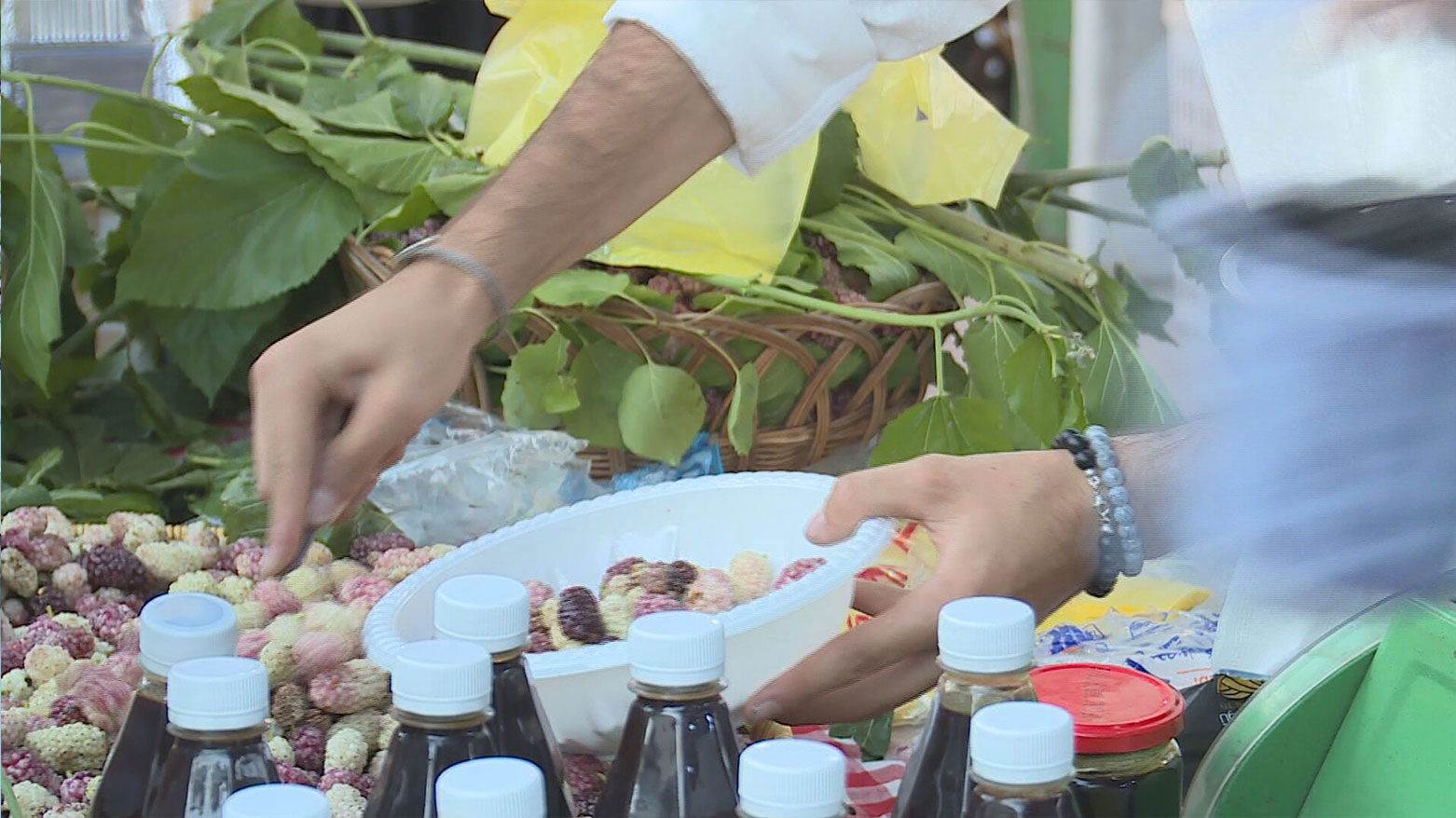
With authentic Shaqlawa mulberries selling for 5,000 Iraqi dinars (roughly $3.50) per kilogram, the direct-to-consumer model allows farmers to maximize their profits while bypassing transportation costs and wholesale middlemen.
Cultivating a Local Identity
The festival is the public culmination of a much larger, community-led initiative aimed at solidifying the town's agricultural identity.
An organizer associated with the event explained to Kurdistan24 that the gathering evolved from a broader "Mulberry Project," which sought to intertwine the region's history with its future.
"The Mulberry Project consisted of building a mulberry monument in Shaqlawa and planting mulberry saplings," the organizer noted.
Within a two-month period, the community erected the monument and planted nearly a thousand new saplings across the town. The festival was then launched to aggressively market the local harvest, ensuring that every berry sold at the event was grown within Shaqlawa's borders.
This emphasis on local branding resonates deeply with visitors.
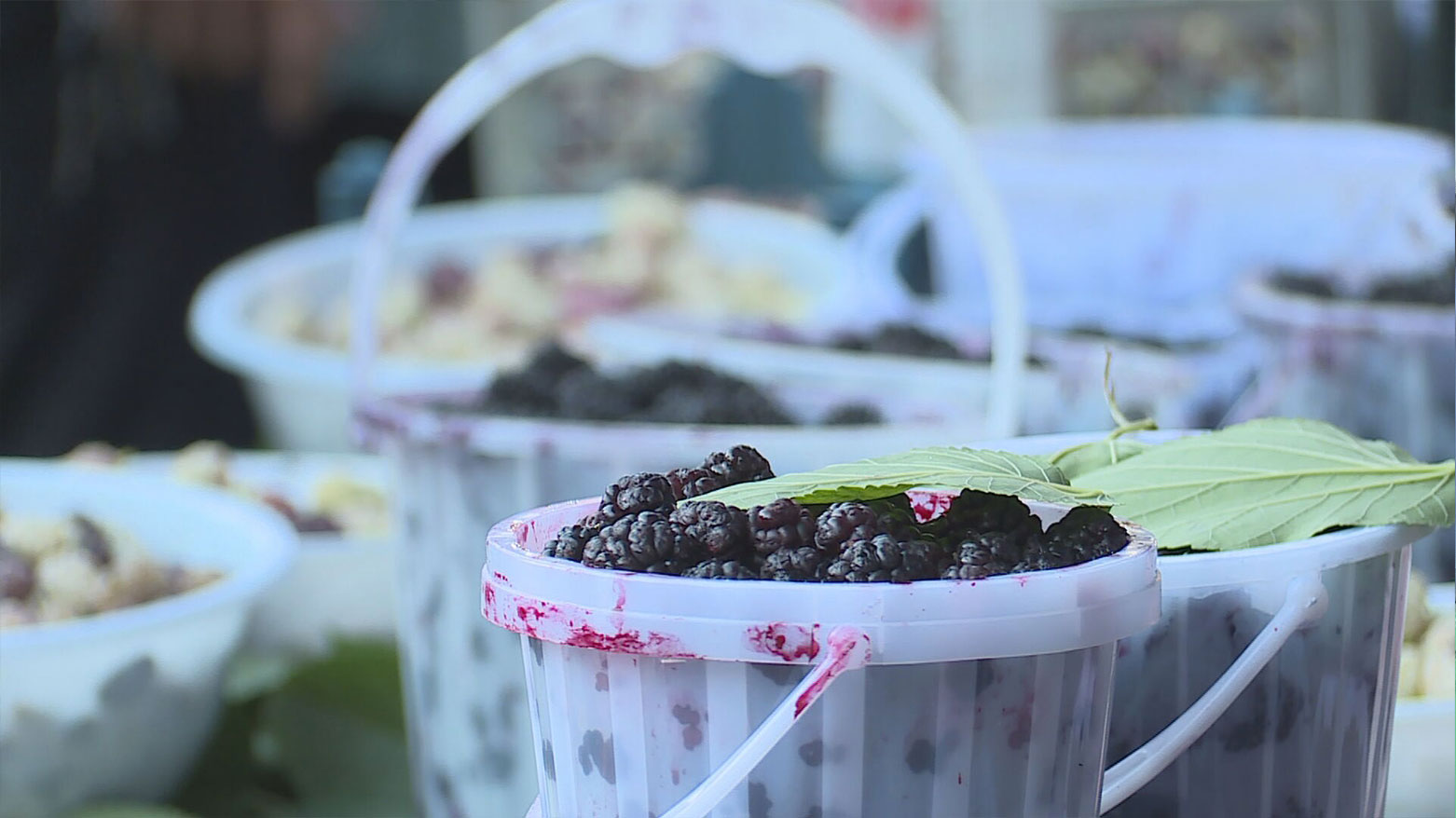
Families traveled from across the Kurdistan Region to experience the atmosphere and connect with traditional Kurdish culture. One visitor, who journeyed from the Akre district, emphasized the importance of exposing younger generations to authentic regional products.
"I wanted to mostly show local items... to see what traditional Kurdish items are available, what is being made, things that showcase local products, to my daughter," he said. Another tourist echoed this sentiment, highlighting the appeal of the region's agricultural diversity: "We just entered Shaqlawa, and whatever catches our eye, we buy, like figs, mulberries, and sour fruits."
A Platform for Regional Diplomacy
The success of the Shaqlawa festival highlights a broader economic strategy within the Kurdistan Region: utilizing agriculture and domestic tourism as engines for sustainable growth.
By creating destination events around local products, municipalities can stimulate spending in hospitality, retail, and transportation, reducing the region's heavy dependence on oil revenues.
The festival also demonstrated how local cultural events can unexpectedly serve as platforms for high-level political engagement. Among the thousands of visitors was Baghdad Governor Atwan al-Atwani, who attended alongside Erbil Governor Omed Xoshnaw.
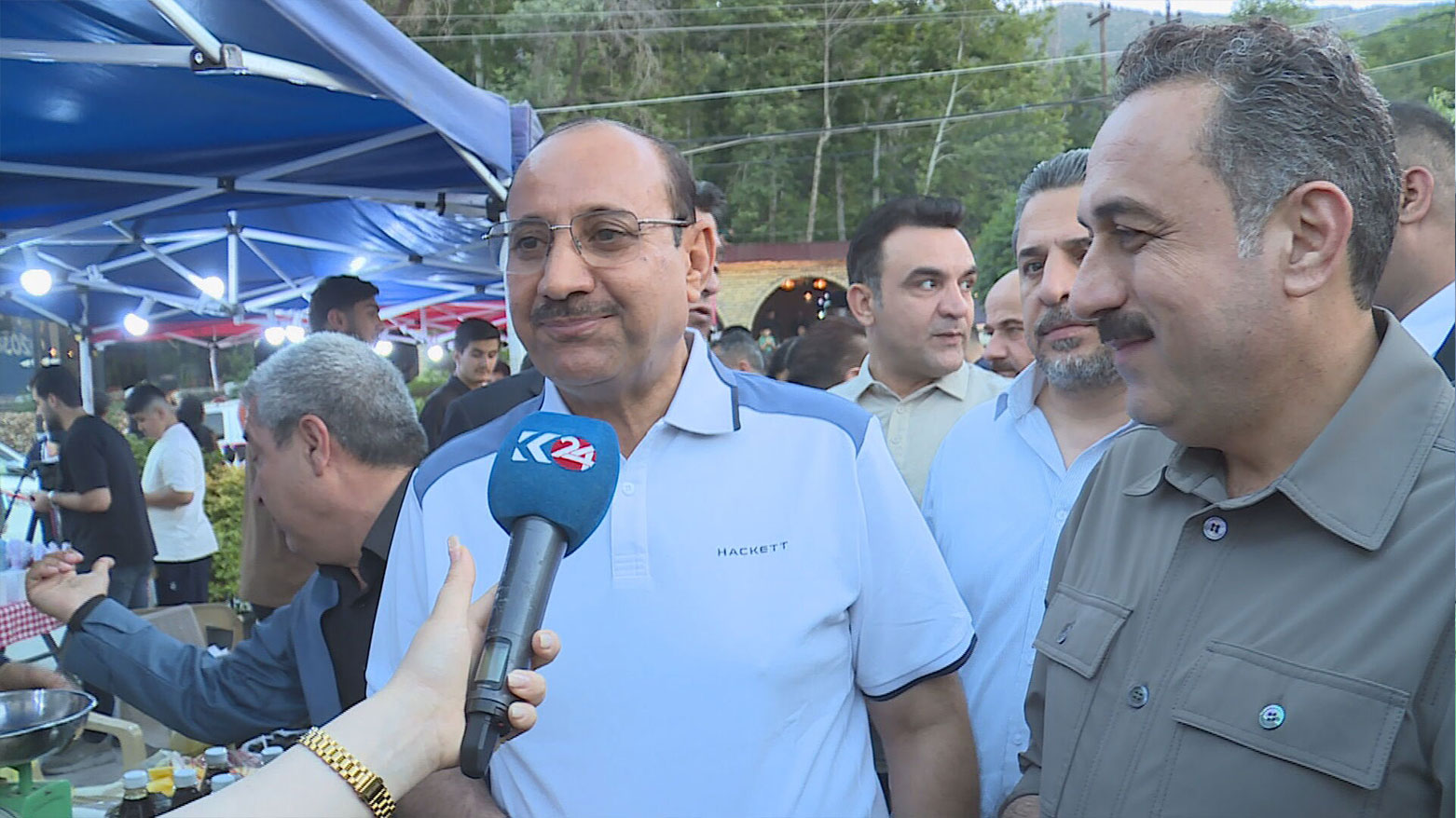
Speaking to Kurdistan24 amid the bustling stalls, al-Atwani praised the "incredibly beautiful" atmosphere of Shaqlawa and the "joyful" vibe of the gathering.
However, his presence underscored a more serious diplomatic agenda. The Baghdad governor revealed that his visit to the region was intended to foster intergovernmental cooperation and learn from Erbil's administrative and development successes.
Read More: Baghdad Looks to Erbil for a Blueprint to Rebuild Iraq's Capital
Al-Atwani highlighted his meetings with Kurdistan Region Prime Minister Masrour Barzani and other senior officials, noting "genuine understandings and a shared desire to further develop these relations."
He added that an upcoming conference for all Iraqi governors, hosted in Erbil, would focus on national development and creating environments that "foster peaceful coexistence."
For the residents of Shaqlawa, the presence of federal officials and thousands of tourists validates their efforts to preserve their town's unique character.
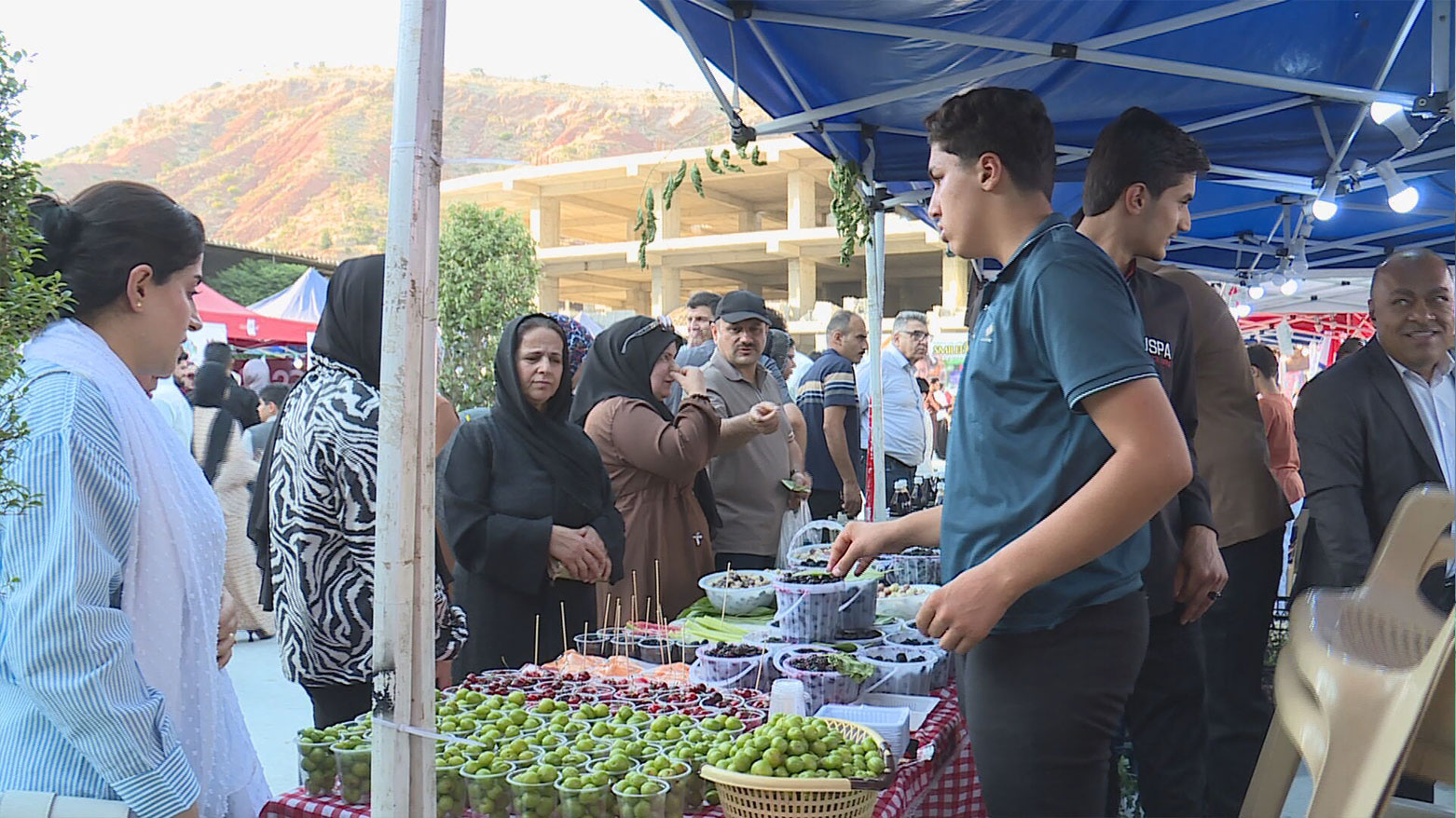
By combining agricultural tradition with modern tourism promotion, the "City of Mulberries" has successfully demonstrated how a simple seasonal harvest can strengthen local economies, preserve cultural heritage, and build bridges across communities.
|
Summary Shaqlawa hosted its inaugural Mulberry Festival, drawing thousands of tourists and highlighting the town's famous harvest. The event boosted local farmers' incomes and underscored the Kurdistan Region's broader push toward economic diversification, agricultural tourism, and cultural preservation. |