Eco Iraq Urges Acceleration of New Levant Project After Billions in Oil Export Losses
An Iraqi economic monitor has warned that prolonged disruptions to oil exports have cost the country billions of dollars, urging authorities to accelerate alternative export routes to protect the economy.
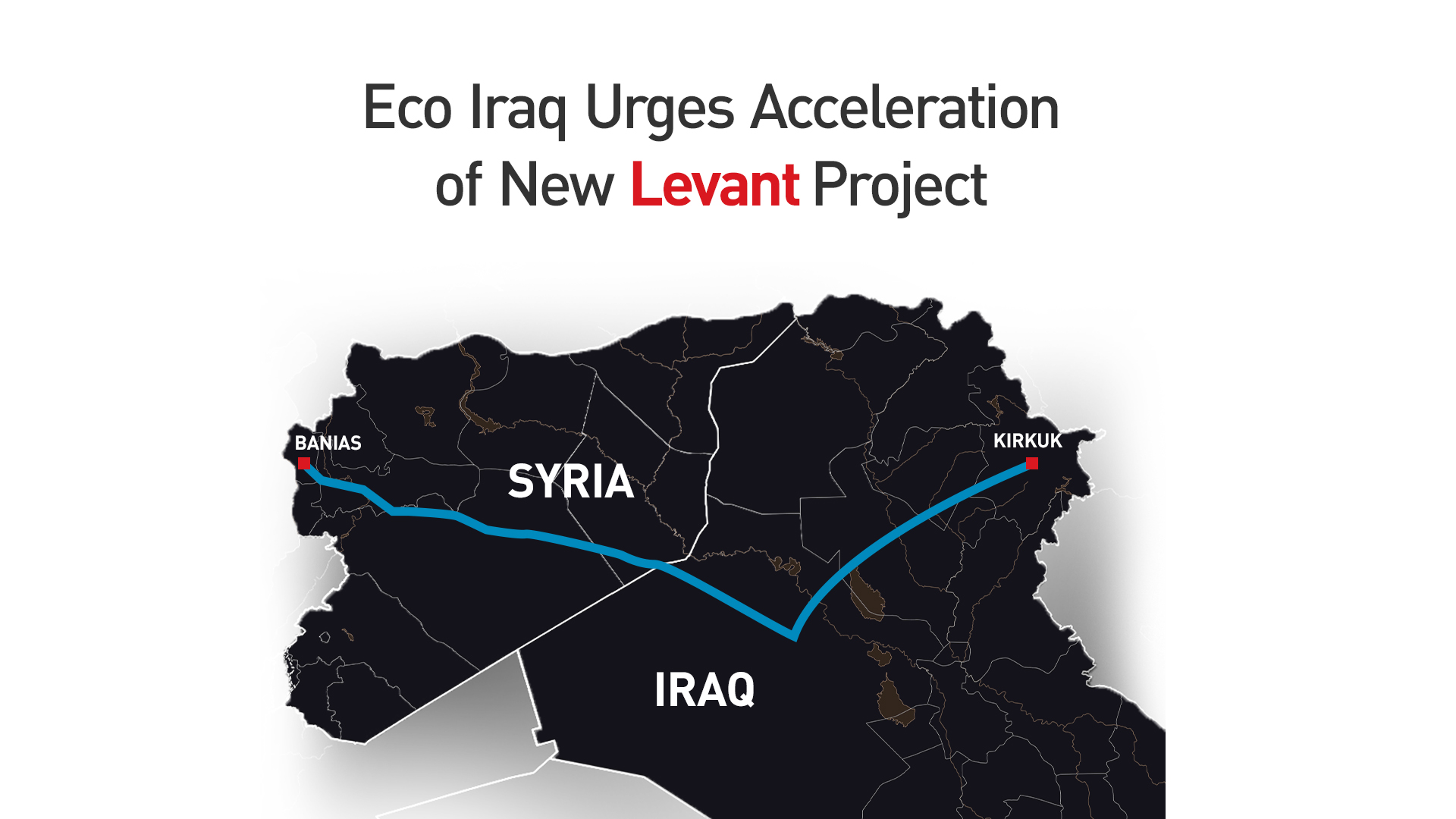
ERBIL (Kurdistan24) - Iraq has lost approximately 350 million barrels of oil exports since the closure of the Strait of Hormuz, resulting in an estimated $37.7 billion in lost export opportunities, according to the Eco Iraq Observatory.
In a press statement, the observatory called for the accelerated implementation of the New Levant project, describing it as a strategic necessity to secure alternative export outlets and reduce Iraq's dependence on maritime routes.
According to Eco Iraq, Iraq was exporting between 103 million and 107 million barrels of crude oil per month before the Strait of Hormuz was closed on Feb. 28.
The observatory said the closure, triggered by the ongoing regional conflict, led to a sharp decline in exports over the following months.
Export losses reached 84,395,049 barrels in March, followed by 93,115,870 barrels in April and 92,801,000 barrels in May. During the current month of June, losses have amounted to approximately 79,600,000 barrels.
Eco Iraq estimated that the cumulative export gap during the period stands at roughly 350 million barrels.
The observatory said the lost export volumes represent missed revenue opportunities worth approximately $37.7 billion, based on average oil prices during the same period.
It stressed that the New Levant project has become an urgent strategic requirement to ensure the stability of Iraq's oil exports and provide viable alternatives to routes vulnerable to geopolitical tensions and disruptions.
According to the statement, the importance of diversifying export channels is heightened by Iraq's heavy dependence on oil revenues, which account for nearly 90% of the country's economy.
The observatory warned that continued reliance on maritime export routes exposed to regional instability could leave Iraq vulnerable to significant economic shocks in the future.