KRG to Purchase and Export All Wheat Not Accepted by Baghdad
Local and international companies express interest as Kurdistan seeks new markets for farmers' surplus harvest
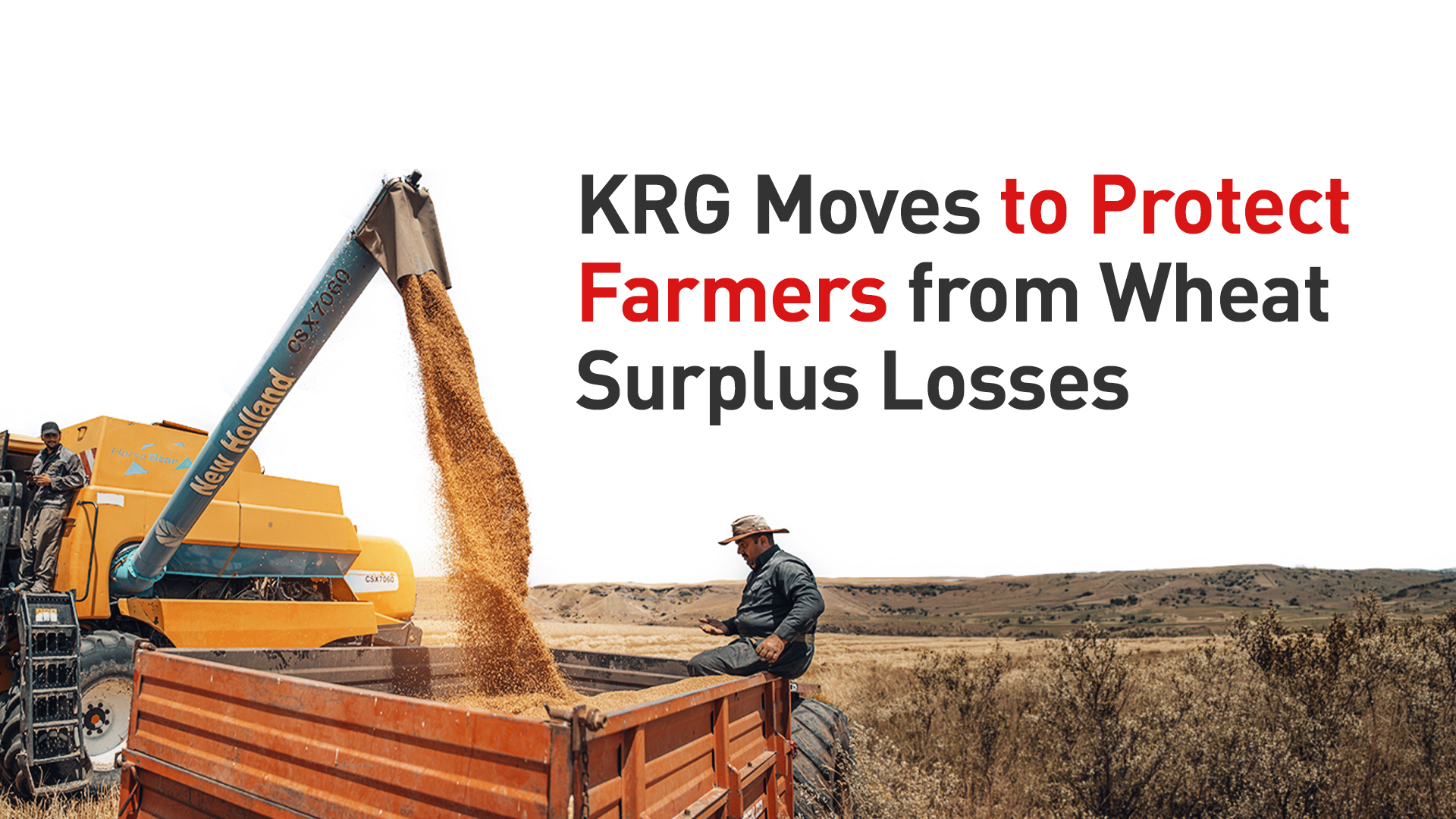
ERBIL (Kurdistan24) — The Kurdistan Regional Government (KRG) has decided to purchase all wheat produced by farmers in the Kurdistan Region that is not accepted by the federal government and export it to foreign markets, officials announced on Wednesday.
Mohammed Shukri, head of the Kurdistan Board of Investment and chairman of the committee overseeing the marketing of farmers' wheat, said the move comes as part of the KRG's efforts to support the agricultural sector and protect farmers from financial losses.
Speaking on Wednesday, Shukri said that following a directive from Prime Minister Masrour Barzani to ensure the marketing of farmers' wheat, companies were invited to purchase the surplus grain and export it abroad.
He noted that two domestic companies have already committed to purchasing all of the remaining wheat not acquired by Baghdad, ensuring that no unsold wheat will remain in farmers' hands.
In addition, 11 other companies have submitted applications to purchase and export wheat from the Kurdistan Region. According to Shukri, some of these companies plan to export between 10,000 and 20,000 tons of wheat, particularly to Turkish markets, where prices are currently more favorable than in other destinations.
Shukri said all necessary procedures have been completed and the submitted company applications have undergone review. The project has now been referred to the Council of Ministers for final approval and is awaiting a decision.
He stressed that the government is committed to finding new markets for Kurdish agricultural products and ensuring that farmers' efforts are not wasted.
The wheat procurement process began on June 10 at 13 silos across the Kurdistan Region. Officials estimate that this year's wheat harvest could reach approximately two million tons.
However, the Iraqi federal government has agreed to purchase only 400,000 tons of wheat from the Kurdistan Region, leaving around 1.2 million tons outside the federal procurement program.
In response, the KRG has moved to secure alternative buyers and export opportunities to absorb the surplus production.
This year also marks the first implementation of an electronic appointment system for wheat deliveries to silos, a measure aimed at improving efficiency and reducing delays during the procurement season.
More than 45,000 farmers cultivated wheat this year across approximately three million dunams of agricultural land, making it one of the largest harvest seasons in the Kurdistan Region in recent years.
The initiative reflects the KRG's broader strategy of strengthening food security, supporting local producers, and expanding export opportunities for agricultural products as the Region seeks to diversify its economy beyond oil revenues.
The wheat issue has become a recurring point of contention between Erbil and Baghdad in recent years, particularly over procurement quotas and payments to farmers in the Kurdistan Region.
While the KRG has significantly expanded wheat production through support programs and favorable weather conditions, federal authorities have maintained limits on the quantities purchased from the Region.
Kurdish officials have repeatedly argued that local farmers should be treated on par with their counterparts elsewhere in Iraq and have sought alternative marketing and export channels to absorb surplus harvests and safeguard farmers' incomes.