Iraqi Prime Minister Zaidi Promises to Complete Cabinet Within Two Weeks
Iraqi Prime Minister Ali Faleh al-Zaidi pledged to complete his cabinet within two weeks, while outlining plans for security reform, economic modernization, foreign investment, anti-corruption measures, and stronger international partnerships.
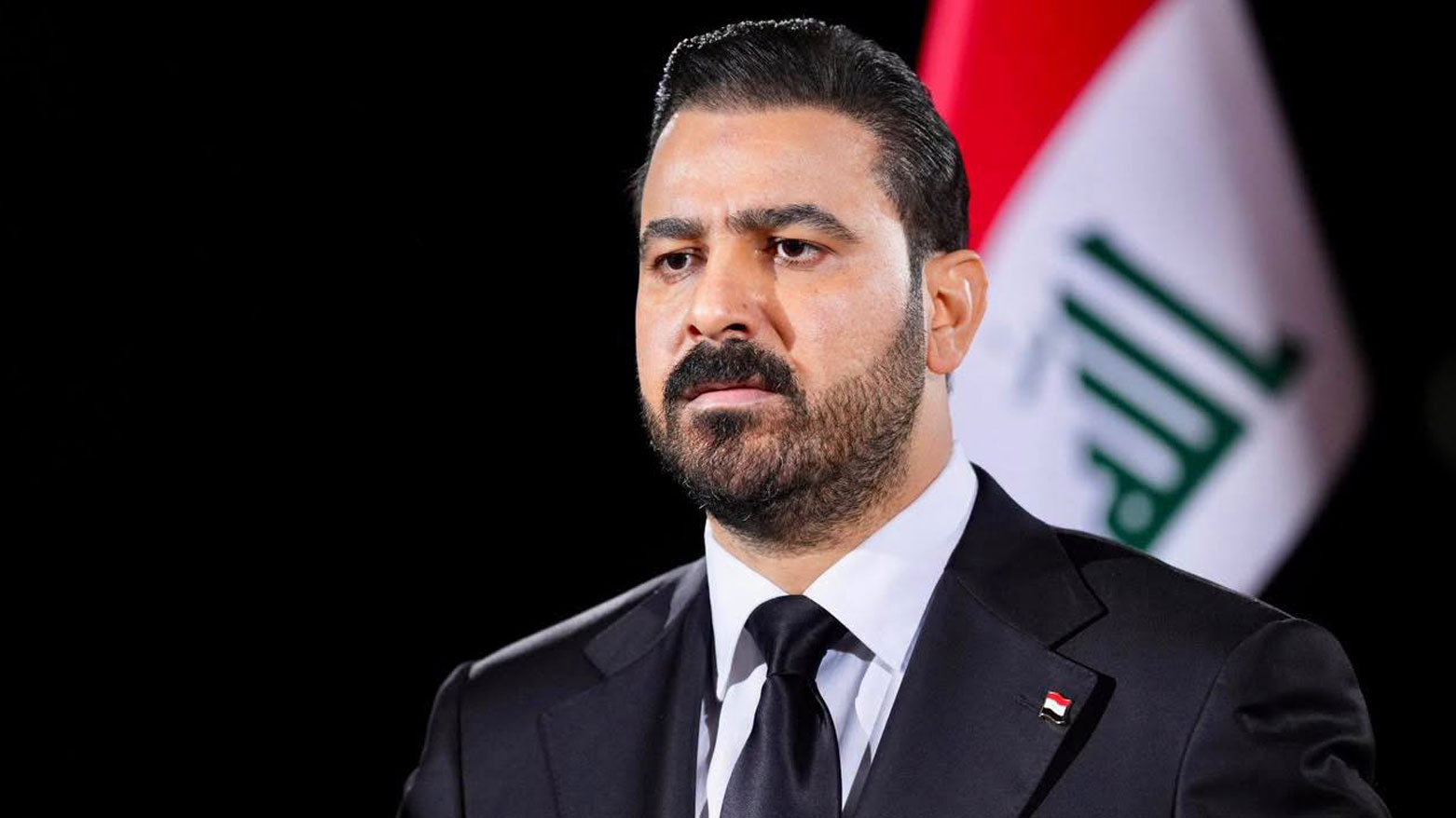
ERBIL (Kurdistan24) - Iraqi Prime Minister Ali Faleh al-Zaidi has set an ambitious deadline for one of the most consequential tasks facing his young administration, promising to complete Iraq's remaining cabinet appointments within two weeks while presenting a broader vision that stretches from security reform and economic modernization to renewed ties with the United States and regional diplomacy.
In a televised interview with Sky News, al-Zaidi portrayed his government as entering what he described as a new phase of national reconstruction, arguing that Iraq is seeking to redefine both its domestic governance and its international partnerships after years of political fragmentation and security challenges.
His remarks come at a pivotal moment, as Baghdad prepares for an anticipated visit to Washington and continues negotiations over security arrangements, economic investment, and institutional reform.
The breadth of the Iraqi Prime Minister's agenda reflects an attempt to present his government not merely as another coalition administration, but as one seeking to reshape Iraq's political and economic trajectory.
Yet the success of that vision will depend heavily on whether his government can first overcome the political bargaining that has long complicated cabinet formation.
Among the clearest commitments made during the interview was al-Zaidi's pledge to finalize the remaining ministerial appointments within two weeks.
Completing the cabinet would remove one of the most visible signs that Iraq's post-election transition remains unfinished and would allow ministries still operating under acting leadership to move forward with greater institutional certainty.
The announcement follows weeks of negotiations among Iraq's political blocs over key ministerial portfolios, traditionally among the most contentious stages of government formation. Filling those positions would give the Iraqi Prime Minister greater room to implement the ambitious program he outlined across multiple sectors.
Al-Zaidi also sought to redefine Iraq's relationship with the United States, describing his forthcoming visit to Washington as substantially more than a diplomatic formality.
According to the Iraqi Prime Minister, the discussions will aim to launch what he characterized as a partnership founded on mutual interests and mutual respect rather than a predominantly security-centered relationship.
He said the international coalition's combat mission is expected to conclude by September, marking what Baghdad views as the beginning of a different phase in bilateral cooperation focused increasingly on investment, technology, and economic development.
As part of that transition, al-Zaidi disclosed that Iraq has instructed the Ministries of Oil, Electricity, and Communications to prioritize cooperation with established American companies capable of contributing to long-term national development.
Economic transformation occupied a central place in the interview.
The Prime Minister said Iraq's Ministerial Council for Economy has approved major energy projects involving leading international firms, including Chevron, Halliburton, and HKN Energy, while also preparing strategic coordination with Starlink in the communications sector.
The initiatives form part of a wider effort to modernize Iraq's infrastructure, diversify investment partnerships, and strengthen technological capacity.
Perhaps the most ambitious proposal unveiled by al-Zaidi was the planned establishment of an Energy and Development Fund.
He said revenues generated from between 500,000 and two million barrels of daily oil exports would finance the fund, which he projected could accumulate approximately $400 billion over the next three decades.
Those resources, he explained, would be directed toward rebuilding national infrastructure and supporting long-term development projects designed to modernize Iraq's economy beyond short-term budget cycles.
Complementing that vision is an equally ambitious production target.
Al-Zaidi said Iraq intends to increase its oil production capacity to seven million barrels per day within three years while simultaneously seeking a more favorable production quota within OPEC.
If achieved, the strategy would significantly expand Iraq's energy revenues while reinforcing its position among the world's leading oil producers.
Security policy remained another major pillar of the Iraqi Prime Minister's interview.
Addressing one of Iraq's most sensitive issues, al-Zaidi said his government has engaged in extensive dialogue with armed factions while maintaining that the Iraqi state alone must retain legitimate authority over weapons.
He stressed that no arms should exist outside official state institutions, framing the principle as essential to national sovereignty and institutional stability.
To reinforce that message internationally, Iraq plans to host what al-Zaidi described as a Sovereignty Conference, intended to demonstrate that Iraqi decision-making rests exclusively with the country's constitutional institutions and that Iraq seeks to move beyond both foreign military presence and extra-legal armed actors.
On foreign policy, the Prime Minister emphasized Iraq's efforts to maintain balanced relations across the region.
He described Baghdad's ties with Gulf countries and Iran as grounded in good-neighborly relations while reiterating Iraq's willingness to facilitate dialogue aimed at easing regional tensions, including possible discussions between Washington and Tehran.
Al-Zaidi also firmly rejected claims that attacks against Saudi Arabia had originated from Iraqi territory, underscoring his government's commitment to preventing Iraq from becoming a platform for regional confrontation.
Domestic governance featured prominently in the interview as well.
Beyond cabinet formation, the Iraqi Prime Minister announced plans to prepare and distribute one million residential plots to Iraqi citizens, presenting the initiative as part of a broader effort to address housing needs while stimulating local development.
The proposal ranks among the government's most expansive domestic commitments and, if implemented, could affect communities across multiple provinces.
Equally significant was al-Zaidi's emphasis on combating corruption, an issue that has consistently ranked among Iraq's greatest governance challenges.
He revealed the establishment of a central committee tasked with reviewing all government contracts exceeding 25 billion Iraqi dinars.
In addition, his administration has submitted draft legislation to Parliament establishing new oversight and audit bodies within every ministry.
Under the proposed framework, those authorities would be required to approve expenditures before public funds are disbursed, introducing an additional institutional layer designed to strengthen financial accountability.
Taken together, the interview presented an administration attempting to balance immediate political necessities with long-term structural ambitions.
Cabinet completion, security reform, foreign investment, infrastructure modernization, anti-corruption measures, and regional diplomacy were woven into a single narrative centered on rebuilding state capacity.
Whether that agenda can be translated into measurable progress, however, will depend less on the scope of the government's promises than on its ability to navigate Iraq's intricate political landscape, secure parliamentary cooperation, and sustain consensus among the diverse forces that brought the current administration to office.
For now, al-Zaidi has established a clear benchmark for his government. The coming two weeks will determine whether his first major political pledge becomes an early demonstration of momentum—or another reminder of the complexities that continue to shape governance in Iraq.
|
Summary Iraqi Prime Minister Ali Falih al-Zaidi says he will complete his cabinet within two weeks while outlining an ambitious agenda spanning security, investment, energy, anti-corruption, and regional diplomacy. The pledge now faces the realities of Iraq's complex political landscape. |