Pezeshkian Says U.S. Negotiations Had Mojtaba Khamenei's Knowledge
Iran's president says U.S. negotiations were conducted with Mojtaba Khamenei's knowledge as technical diplomacy continues amid regional uncertainty.
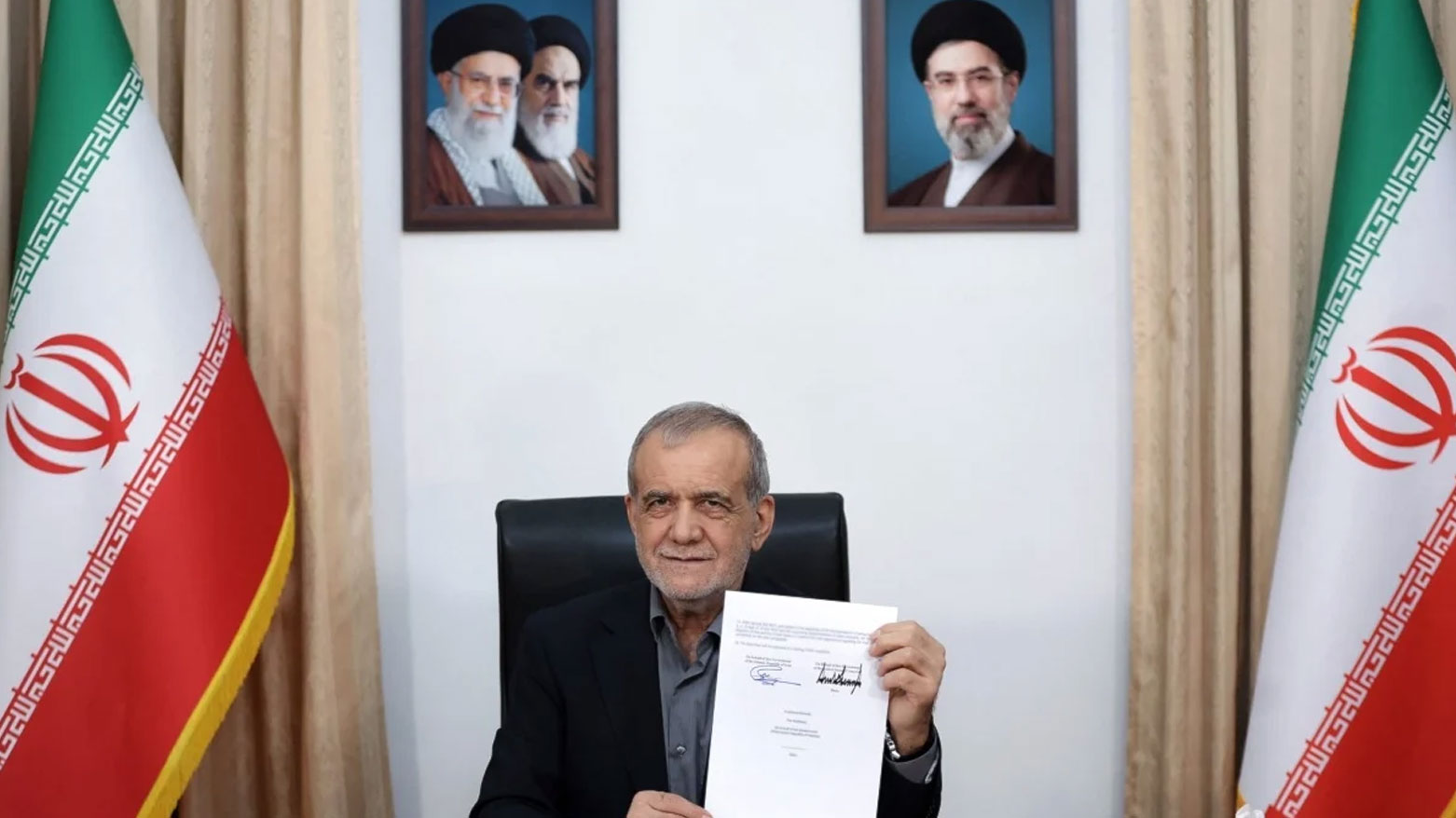
ERBIL (Kurdistan24) - Iranian President Masoud Pezeshkian on Tuesday publicly tied Tehran's diplomatic engagement with the United States to the country's highest leadership, declaring that recent negotiations were conducted with the knowledge of Mojtaba Khamenei while firmly rejecting suggestions that Iran would compromise on its sovereign rights or strategic interests.
His remarks, delivered as technical discussions surrounding a recently signed U.S.-Iran memorandum of understanding continue to unfold, offered one of the clearest indications yet of how Tehran wants both domestic and international audiences to view the diplomatic process. By explicitly associating negotiations with Iran's senior leadership, Pezeshkian sought to portray the talks as an institutional state policy rather than the initiative of a single administration.
The timing of the statement is significant.
Diplomatic engagement is progressing alongside a fragile regional security environment in which governments continue to prepare for multiple scenarios even as negotiations remain active.
Israeli officials have maintained military planning while diplomacy proceeds, according to reporting by Yedioth Ahronoth (Ynet News) correspondent Elisha Ben Kimon, underscoring why every public signal emerging from Tehran is being closely scrutinized.
Against that backdrop, Pezeshkian's remarks appear intended to project political cohesion at home while reassuring negotiators abroad that Iran's diplomatic track retains institutional backing.
"Our agreement with the U.S. was coordinated with Mojtaba Khamenei," Pezeshkian said, adding that Iran would make "no compromises" regarding its national rights, interests or negotiating principles.
The reference to Mojtaba Khamenei carried political significance beyond the negotiations themselves.
In Iran's decision-making structure, public confirmation that diplomacy proceeds with the knowledge of the country's senior leadership helps reinforce the legitimacy of talks that have faced persistent criticism from hard-line political circles.
Rather than presenting engagement with Washington as a departure from longstanding policy, Pezeshkian framed it as a carefully managed process conducted within the Islamic Republic's established institutional framework.
That message was directed as much toward domestic audiences as foreign governments.
Without naming specific political figures, the Iranian President criticized attempts to undermine the negotiating team, saying some had sought to "distort the image" of officials engaged in the diplomatic process.
His comments reflected the political pressures surrounding negotiations with Washington, where even limited engagement can generate debate over how best to safeguard Iran's strategic interests while reducing regional tensions.
Pezeshkian argued that those objectives are not mutually exclusive. His remarks suggested that diplomacy should be viewed as a means of defending national interests rather than weakening them, reaffirming that negotiations would continue only within what Tehran considers its established red lines.
His comments come as diplomacy shifts from political agreement to technical implementation.
According to a source cited by Reuters, Iranian and American technical teams are meeting in Doha to discuss mechanisms for implementing the memorandum of understanding signed on Jun. 17, with discussions expected to focus on compliance procedures, communication channels and measures intended to reduce the risk of renewed escalation.
Even the status of those discussions, however, illustrates the complexity of the current diplomatic landscape.
According to CNN's Deva Lee, Washington and Tehran have presented differing public accounts of the Doha meetings.
President Donald Trump announced that talks would take place in Qatar and U.S. officials confirmed that Special Envoy Steve Witkoff was traveling to Doha.
Read More: Trump Says U.S.-Iran Talks Will Resume in Doha as Tensions Ease
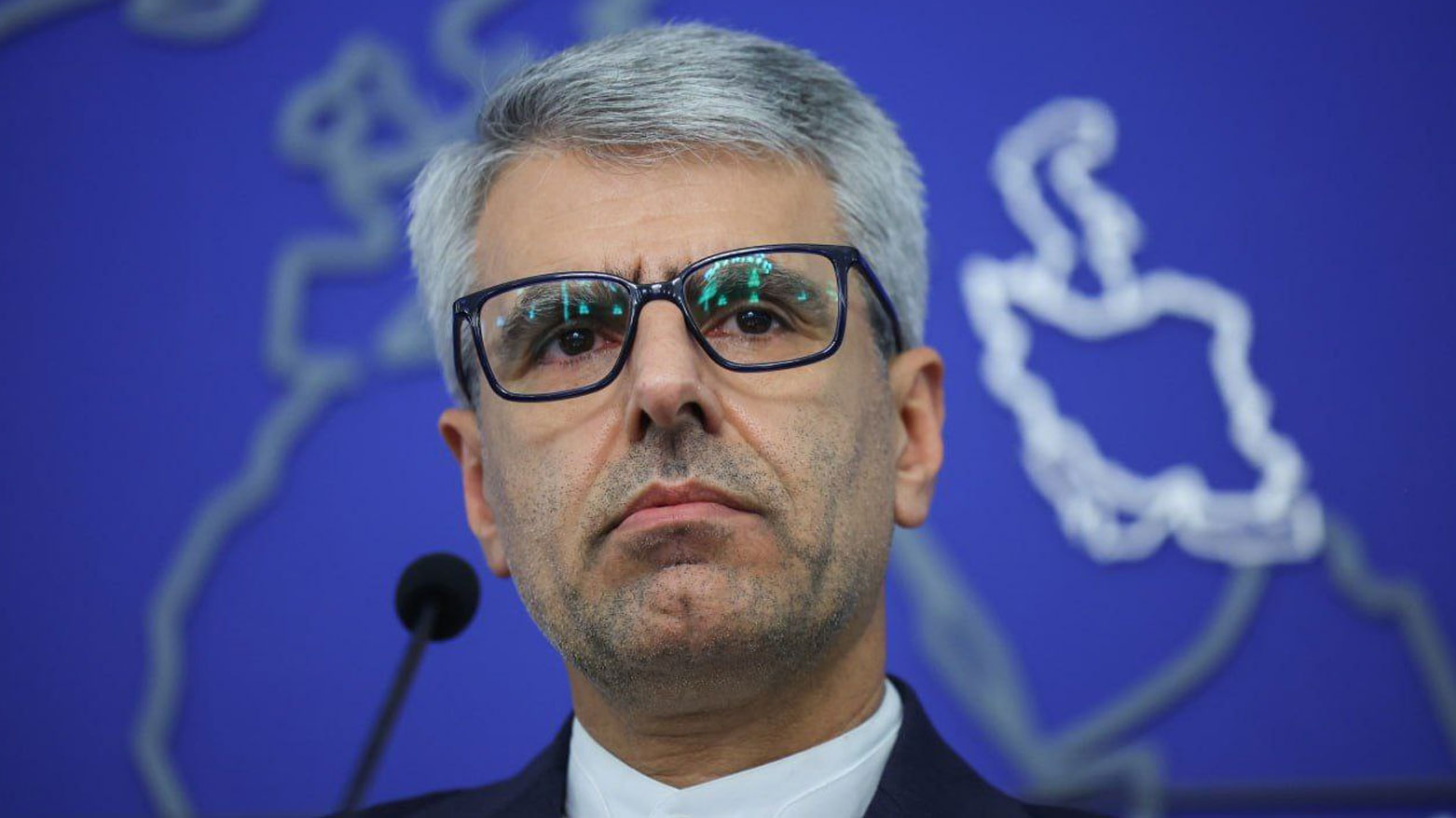
Iran, meanwhile, has denied that formal negotiations with Washington are scheduled in the coming days, although Foreign Ministry spokesman Esmaeil Baghaei confirmed that an expert delegation would travel to Qatar later this week.
Read More: Iran to Send Expert Delegation to Doha for Talks on Implementing U.S. Memorandum
Baghaei also stressed that Iran and the United States had not yet entered the stage of negotiating a final agreement, highlighting the distinction Tehran continues to draw between technical consultations and broader political negotiations.
Those differing public messages do not necessarily indicate that diplomatic contacts have broken down. Instead, they illustrate the political sensitivities both governments face as they balance negotiations with domestic expectations, regional security concerns and competing public narratives.
The reported presence of Steve Witkoff in Doha nevertheless points to the importance Washington continues to attach to the process.
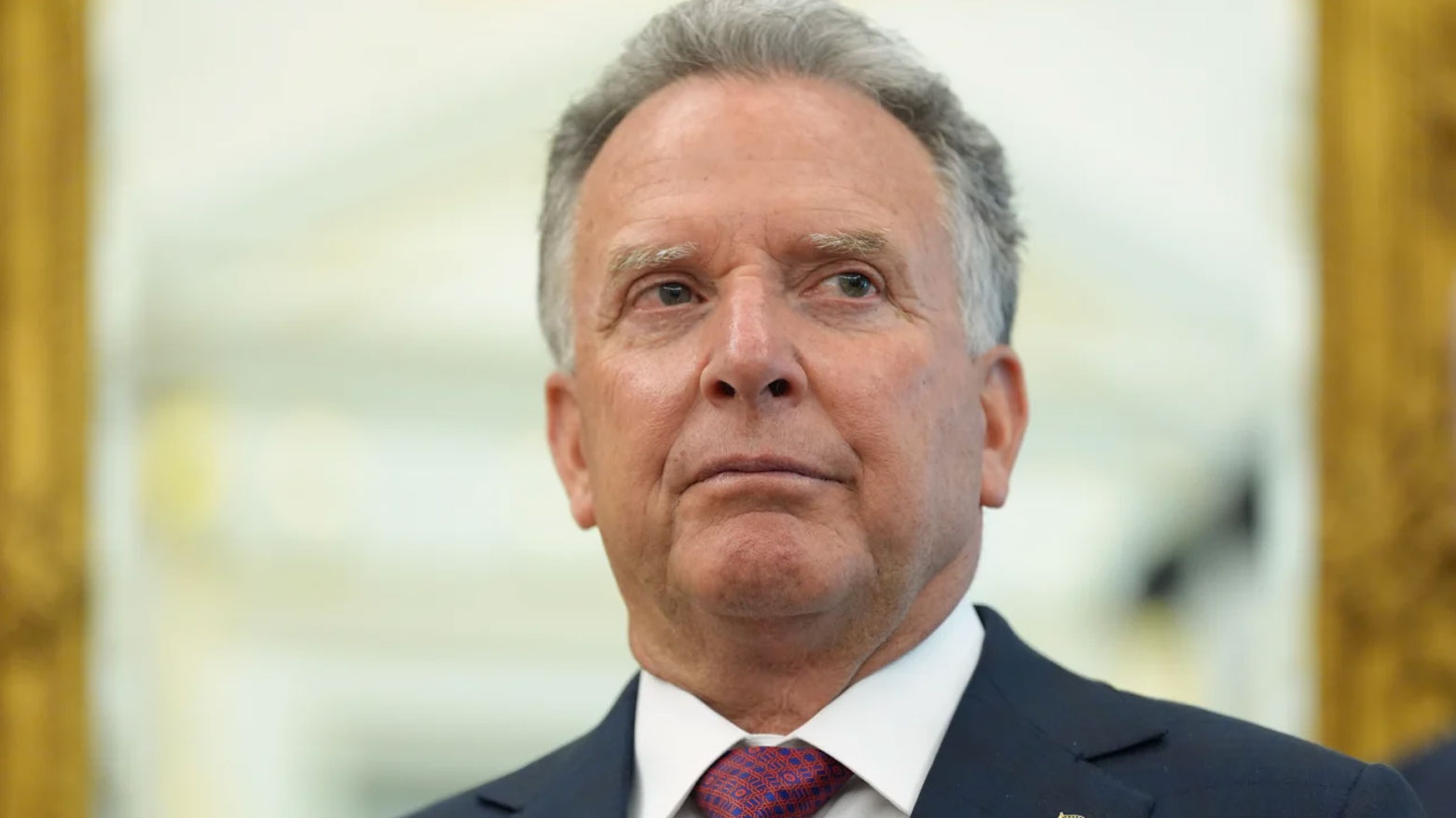
As reported by CNN's Kylie Atwood and Alayna Treene, Witkoff's responsibilities have expanded well beyond his original Middle East portfolio, making him one of President Trump's principal diplomatic envoys.
His role in Doha reflects the administration's continued investment in preserving diplomatic momentum even as implementation of the memorandum enters a more technically demanding phase.
For Tehran, however, sustaining diplomacy requires more than continued dialogue with Washington. It also depends on maintaining political consensus at home.
By publicly linking negotiations to Mojtaba Khamenei while rejecting suggestions that Iran would retreat from its stated principles, Pezeshkian sought to reinforce confidence that diplomacy remains firmly anchored within the country's broader state institutions.
The message was clear: engagement with the United States will continue, but only within parameters that Iranian leaders say protect the country's sovereignty and long-term strategic interests.
The diplomatic effort is unfolding against a regional landscape where dialogue and deterrence continue side by side.
While negotiators work to translate broad political understandings into practical arrangements, governments across the Middle East remain cautious about the possibility that isolated incidents could derail recent progress.
That environment has heightened the importance of every public statement issued by the parties involved.
According to Yedioth Ahronoth (Ynet News), citing reporting by Elisha Ben Kimon, Israeli Defense Minister Israel Katz said the Israeli military continues to prepare for scenarios in which confrontation with Iran could resume if diplomacy collapses or if Israel comes under attack.
At the same time, he indicated that Israel does not seek to disrupt the United States' diplomatic efforts.
Those comments underscore the delicate balance now shaping the region: negotiations continue, but military preparedness remains part of the strategic calculus on all sides.
In that context, Pezeshkian's emphasis on political unity and institutional backing takes on added significance, offering a signal that Tehran intends to pursue diplomacy while maintaining its declared negotiating positions.
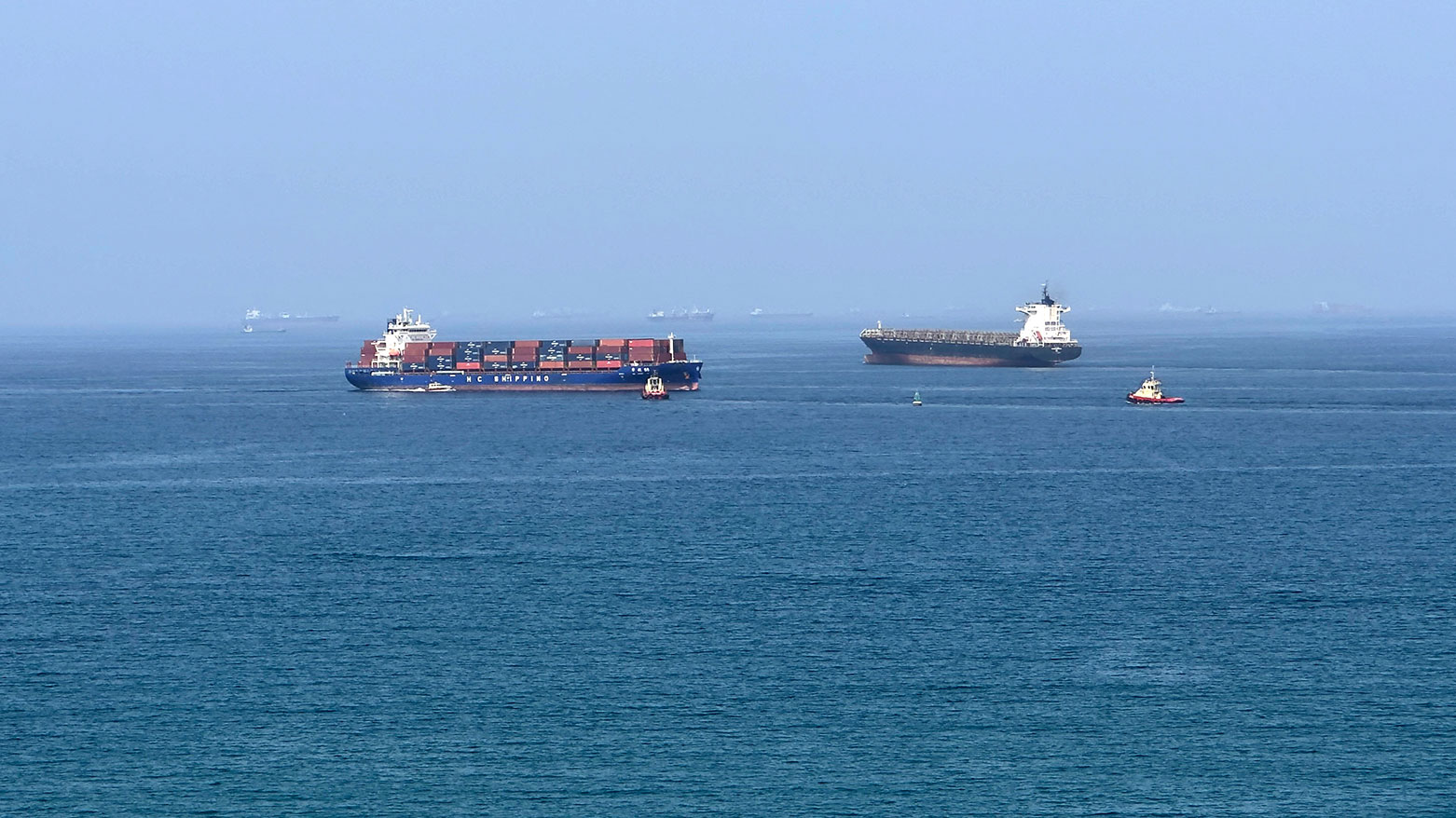
One of the issues likely to influence the broader diplomatic process is the future administration of the Strait of Hormuz, the narrow maritime corridor linking the Gulf to international shipping routes.
Although not the central focus of the Doha discussions, the waterway remains critical to regional stability and global energy markets.
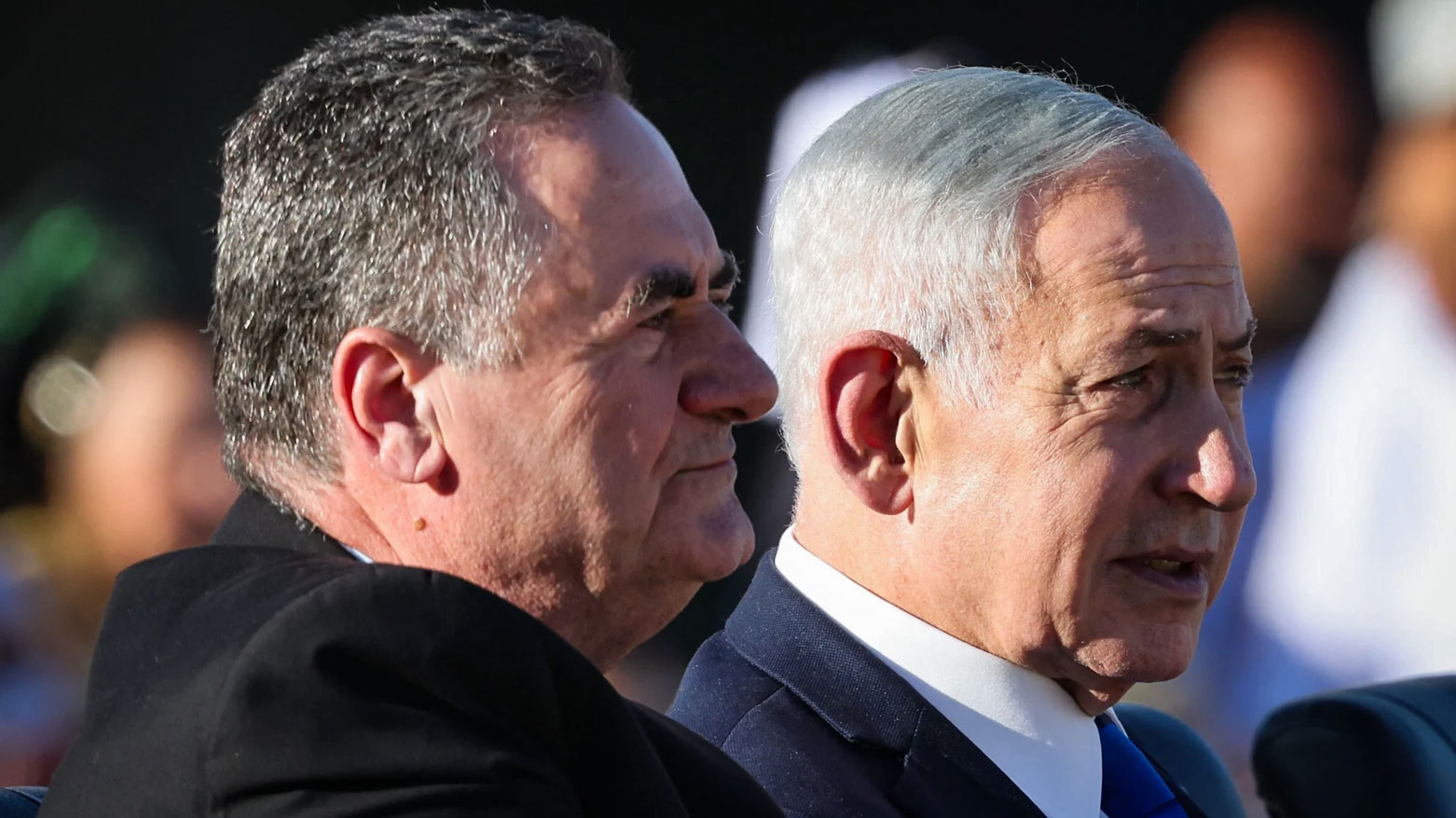
Iran has recently outlined plans to introduce a new regulatory framework for maritime traffic through the strait, with Deputy Foreign Minister Kazem Gharibabadi saying Tehran is prepared to move forward even if Oman ultimately chooses not to participate.
He also rejected foreign involvement in demining operations, arguing that maritime security should remain the responsibility of regional states.
The debate reflects broader questions that extend beyond navigation.
As one of the world's most important energy corridors, the Strait of Hormuz has become closely tied to the success of wider diplomatic efforts. Stable shipping, predictable maritime governance and confidence among international markets all depend on avoiding renewed confrontation in the Gulf.
Regional coordination has continued alongside those discussions.
During talks with Qatar's Deputy Prime Minister and Minister of State for Defense Affairs, Saud bin Abdulrahman bin Hassan Al Thani, Iran's acting defense minister thanked Doha for its role in supporting diplomatic efforts while stressing that Tehran would remain vigilant against any violations of the ceasefire.
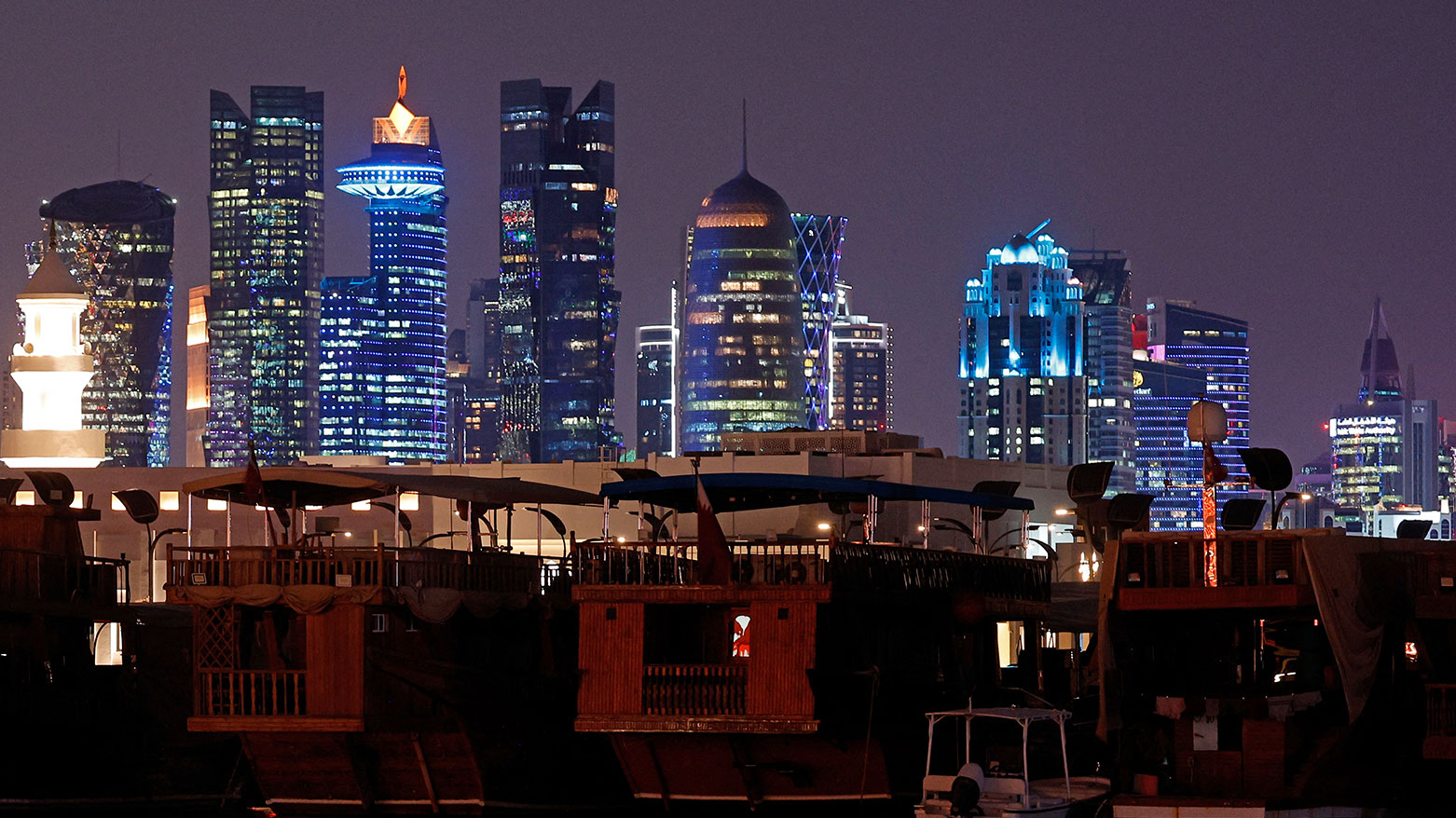
According to the Qatari Ministry of Defense, the conversation focused on strengthening bilateral coordination in support of regional stability and reducing security risks.
Those consultations reflect Qatar's continuing role as a trusted intermediary between regional and international actors.
As technical discussions proceed in Doha, the Gulf state remains an important venue for maintaining communication between parties whose public positions often differ even when diplomatic channels remain open.
For now, the negotiations have entered a phase where implementation may prove more difficult than reaching the initial political understanding.
Technical working groups must address compliance mechanisms, communication procedures and other practical issues before the memorandum can evolve into a durable framework for reducing tensions.
Against that backdrop, Pezeshkian's remarks serve two purposes. Internationally, they reaffirm Iran's willingness to continue diplomatic engagement despite persistent uncertainty over the pace and format of negotiations. Domestically, they seek to demonstrate that the process enjoys institutional support while remaining firmly anchored in Iran's stated principles.
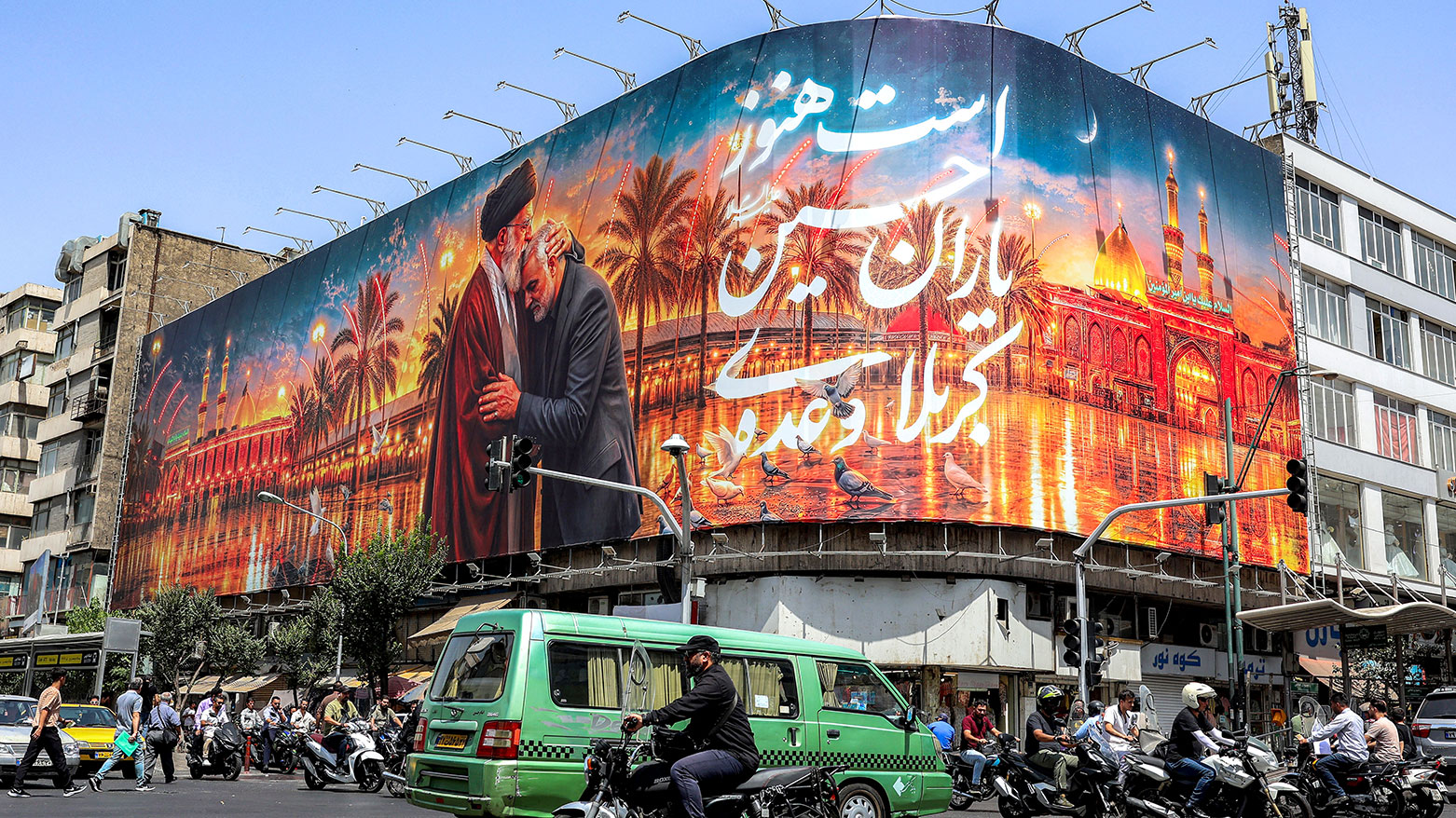
Whether the current dialogue ultimately develops into a broader political agreement remains uncertain. Public messaging from Washington and Tehran continues to diverge, technical negotiations are still in their early stages, and the wider regional security environment remains fragile.
Even so, the continuation of diplomatic contacts suggests that neither side has abandoned the effort to manage tensions through dialogue.
Pezeshkian's decision to publicly associate the negotiations with Mojtaba Khamenei may ultimately be remembered less for the statement itself than for what it signaled: that Tehran is seeking to project continuity, internal cohesion and strategic discipline as diplomacy enters one of its most consequential phases.
In a region where political messaging can shape expectations as much as formal agreements, that signal is likely to resonate well beyond the negotiating table in Doha.
|
Key Points - Pezeshkian links U.S. talks to senior leadership: Iranian President Masoud Pezeshkian said negotiations with Washington were conducted with the knowledge of Mojtaba Khamenei, portraying diplomacy as an institutionally backed state policy. - No compromise on core interests: Pezeshkian stressed Iran will not compromise on its sovereignty, national rights, strategic interests, or established negotiating red lines. - Technical talks advance in Doha: Iranian and U.S. expert teams are discussing implementation of the June 17 memorandum of understanding, focusing on compliance mechanisms and communication procedures. - Washington and Tehran differ publicly: While U.S. officials describe the Doha meetings as renewed talks, Iran maintains they are technical consultations rather than negotiations toward a final agreement. - Domestic unity remains a priority: Pezeshkian criticized efforts to undermine Iran's negotiating team, emphasizing that diplomacy enjoys institutional backing despite domestic political criticism. - Regional tensions persist alongside diplomacy: Israel says it continues military contingency planning while supporting U.S. diplomatic efforts, highlighting the fragile regional security environment. - Strait of Hormuz remains strategically important: Iran is pursuing a new maritime regulatory framework for the waterway, underscoring its significance for regional stability and global energy markets. - Qatar continues its mediator role: Doha remains a key venue for technical discussions and regional diplomacy, facilitating communication between Iran, the United States, and other regional actors. - Implementation is the next major challenge: Translating the political understanding into practical arrangements is expected to be more difficult than reaching the initial memorandum. - Diplomacy continues despite uncertainty: Although significant differences remain and the security environment is fragile, both Tehran and Washington continue to pursue dialogue as a means of managing tensions. |