Three Tankers Hit by Projectiles in Strait of Hormuz as Regional Tensions Persist
The incidents raised fresh concerns over the security of shipping through the narrow entrance to the Persian Gulf, threatening efforts to restore normal maritime traffic and ease global economic pressures following the recent war between the United States and Iran.
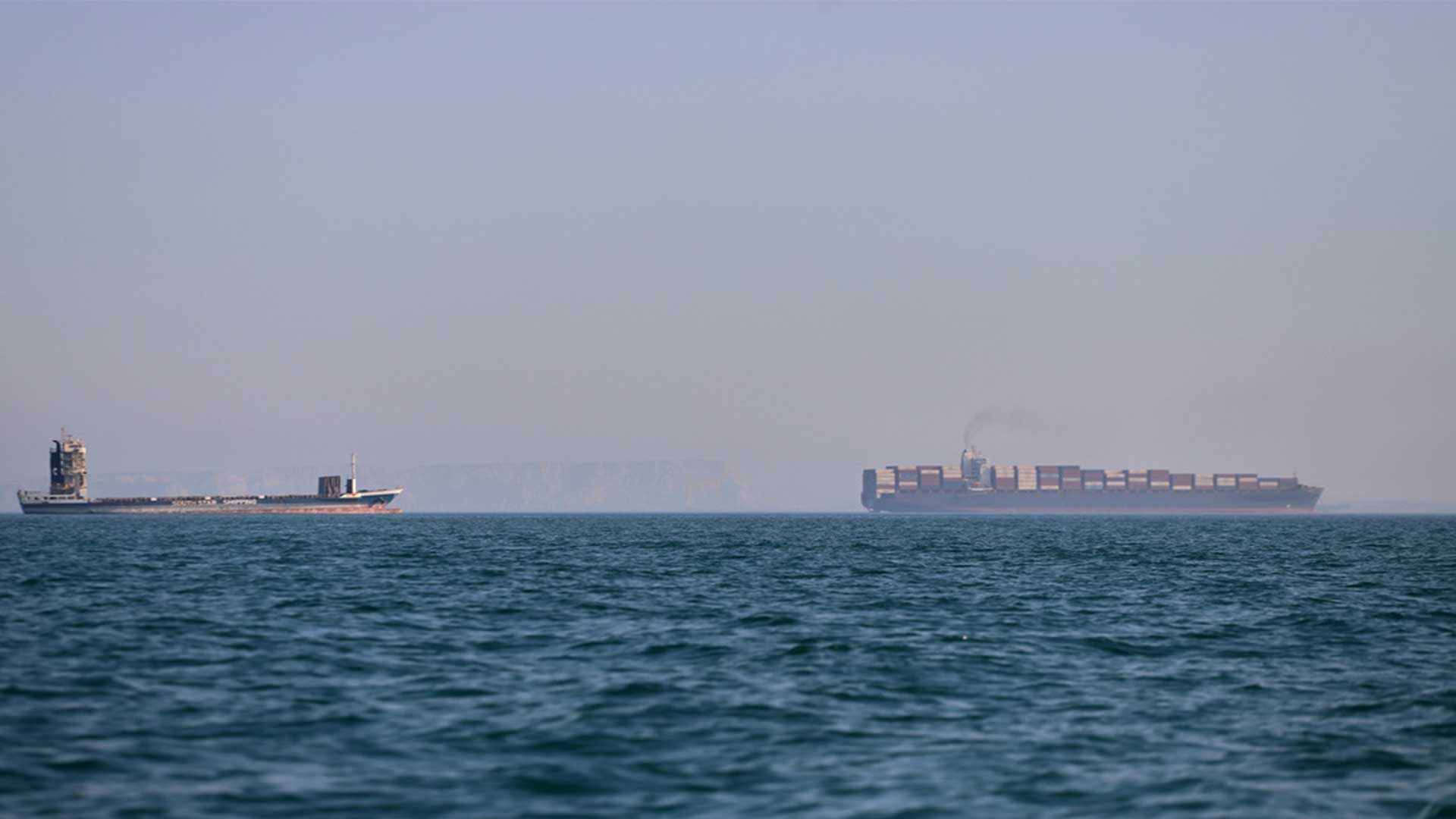
ERBIL (Kurdistan24) – Three commercial tankers were struck by projectiles in the Strait of Hormuz on Tuesday, according to the British military, marking the latest attacks on vessels transiting one of the world's most strategically important maritime chokepoints.
The incidents raised fresh concerns over the security of shipping through the narrow entrance to the Persian Gulf, threatening efforts to restore normal maritime traffic and ease global economic pressures following the recent war between the United States and Iran.
According to the United Kingdom Maritime Trade Operations (UKMTO), one liquefied natural gas tanker caught fire while sailing off the coast of Oman after being struck. Iranian state television reported that the vessel came under attack after allegedly ignoring official warnings but stopped short of claiming responsibility for the incident.
Two additional tankers were also hit, including one reportedly struck by a drone. The precise locations of those attacks were not immediately disclosed. The UKMTO said both vessels sustained damage, though no injuries were reported among their crews. At least one of the affected ships was able to continue its voyage.
Iran has repeatedly declared that only shipping using its designated route through the Strait of Hormuz can safely transit the waterway. Tehran has previously been suspected of targeting vessels that chose an alternative route closer to Oman's coastline.
The latest attacks come as Washington seeks to resume negotiations with Tehran aimed at fully reopening the strait, curbing Iran's disputed nuclear program, and securing a lasting end to the conflict that erupted on Feb. 28.
The Strait of Hormuz remains one of the world's most critical energy corridors. In peacetime, approximately one-fifth of global oil and natural gas trade passes through the waterway, making any disruption a significant concern for international energy markets.
Meanwhile, diplomatic efforts between Iran and the United States appear to have been delayed until after the burial of Iran's Supreme Leader Ayatollah Ali Khamenei, who was killed at the outset of the war. During funeral ceremonies, mourners chanted slogans calling for the death of U.S. President Donald Trump.
Khamenei's body was flown on Tuesday to the Shiite holy city of Qom, where large crowds gathered to pay their final respects ahead of his burial.