KRG Agricultural Reforms Turn Kurdistan into Major Export Hub, Erbil Agriculture Chief Says
Officials credit strategic government policies, farmer subsidies, and market protections for transforming the Kurdistan Region from a domestic producer into a major exporter
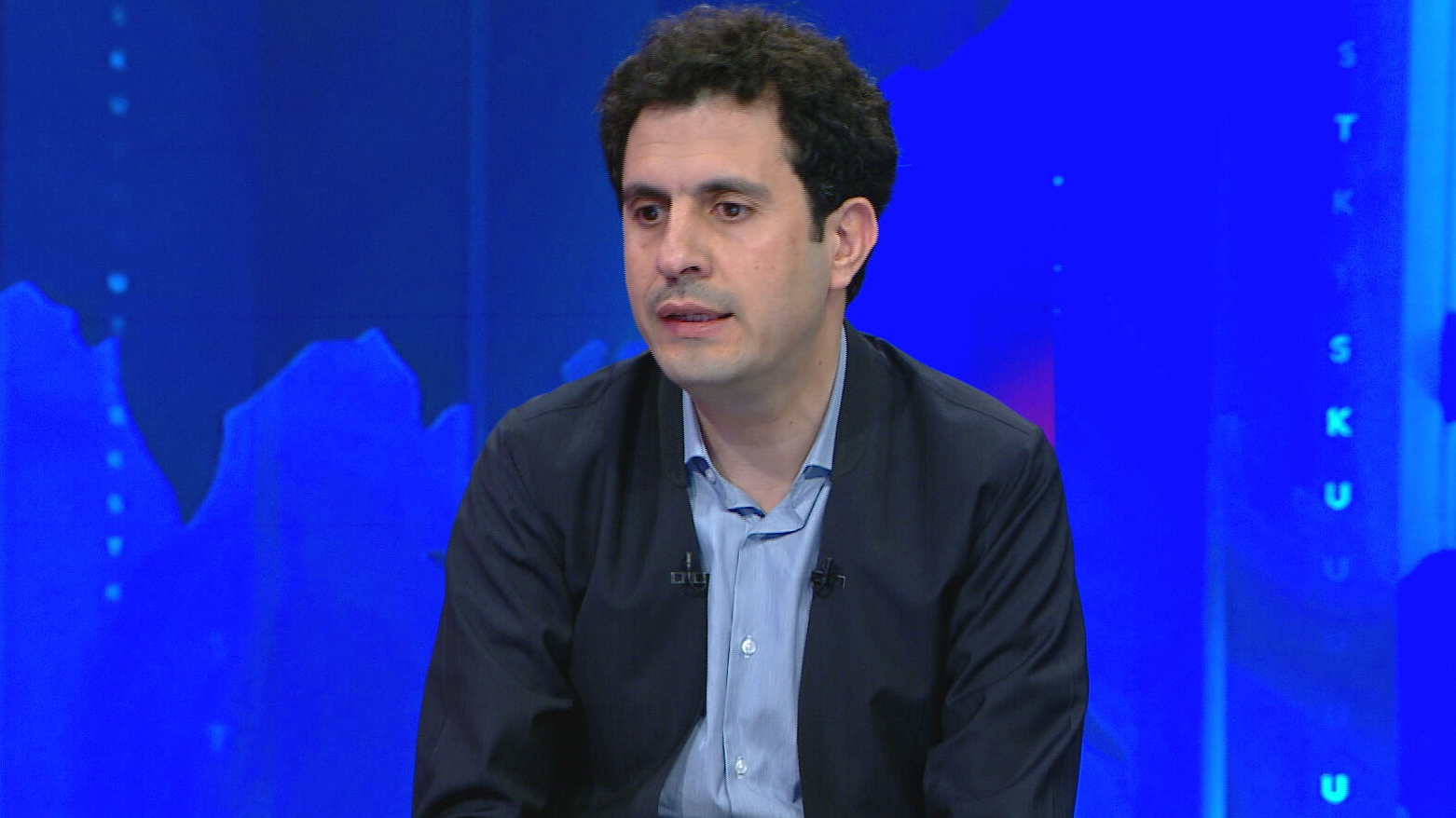
ERBIL (Kurdistan24) — The Kurdistan Region has undergone a significant transformation in its agricultural sector, with nearly two-thirds of its agricultural production now being exported to markets across central and southern Iraq as well as abroad, according to the Director General of Agriculture in Erbil.
Speaking to Kurdistan24 on Saturday, Hemin Sayed Murad, Director General of Agriculture in Erbil, said the Ninth Cabinet of the Kurdistan Regional Government (KRG) has fundamentally reshaped the agricultural market through a series of strategic policies aimed at strengthening domestic production, protecting farmers, and expanding export opportunities.
He said the government's agricultural strategy has not only enabled the Kurdistan Region to satisfy its own domestic demand but has also positioned the region as a major agricultural exporter.
"The market equation has changed in favor of local production," Murad said, attributing the progress to the implementation of a seasonal agricultural calendar and temporary restrictions on imports during local harvest periods.
According to him, these measures have prevented local produce from being undercut by imported goods during peak harvest seasons, allowing farmers to market their products more easily and ensuring their efforts are not wasted.
Government support for farmers
Murad highlighted the broad support provided by the KRG to strengthen the agricultural sector, particularly through subsidized agricultural inputs.
He said the government annually supplies certified potato seeds to farmers at heavily subsidized prices. While each ton costs the government approximately 990,000 Iraqi dinars (about US$755), farmers receive it for only 450,000 dinars (around US$343). In addition, the government provides fertilizers and agricultural machinery free of charge to help reduce production costs.
The official described these initiatives as key factors behind the rapid expansion of agricultural production across the Kurdistan Region.
Kurdistan reaches export stage
Murad said the region has reached a milestone by becoming an agricultural exporter rather than merely producing for local consumption.
"Today, only one-third of our production is consumed domestically, while two-thirds is exported," he said.
He contrasted the Kurdistan Region's achievements with those of other Iraqi provinces, arguing that despite the significantly larger financial resources available to Baghdad, other parts of Iraq have yet to reach a comparable level of agricultural exports.
The rapid growth comes as the KRG continues pursuing a long-term strategy to diversify the region's economy by making agriculture one of its principal sources of revenue while strengthening food security for future generations.
Cabinet moves to support wheat marketing
The latest remarks come as the KRG continues efforts to address challenges facing the marketing of farmers' wheat.
During a cabinet meeting chaired by Prime Minister Masrour Barzani on June 17, the Council of Ministers decided to maintain coordination with the relevant federal authorities to remove obstacles affecting the procurement and marketing of wheat produced by farmers in the Kurdistan Region.
The Council also instructed the Ministries of Agriculture and Water Resources, Trade and Industry, together with the Kurdistan Board of Investment, to develop a joint mechanism for processing and marketing locally produced wheat.
Furthermore, the Council of Ministers emphasized that the Iraqi federal government, as the authority responsible for the national wheat procurement program, should implement its purchasing plan fairly and equally across Iraq while taking into account the specific circumstances and needs of the Kurdistan Region.
The measures form part of the KRG's broader strategy to expand agricultural output, improve farmers' livelihoods, reduce dependence on imports, and establish agriculture as a strategic pillar of the Kurdistan Region's economic development and long-term food security.