KRG's Runaki Project Revitalizes Erbil's Historic Qaysari Bazaar with 24-Hour Electricity
Merchants say uninterrupted power has slashed electricity costs, eliminated noisy generators, and transformed one of Erbil's oldest commercial landmarks into a cleaner, quieter destination for shoppers and tourists
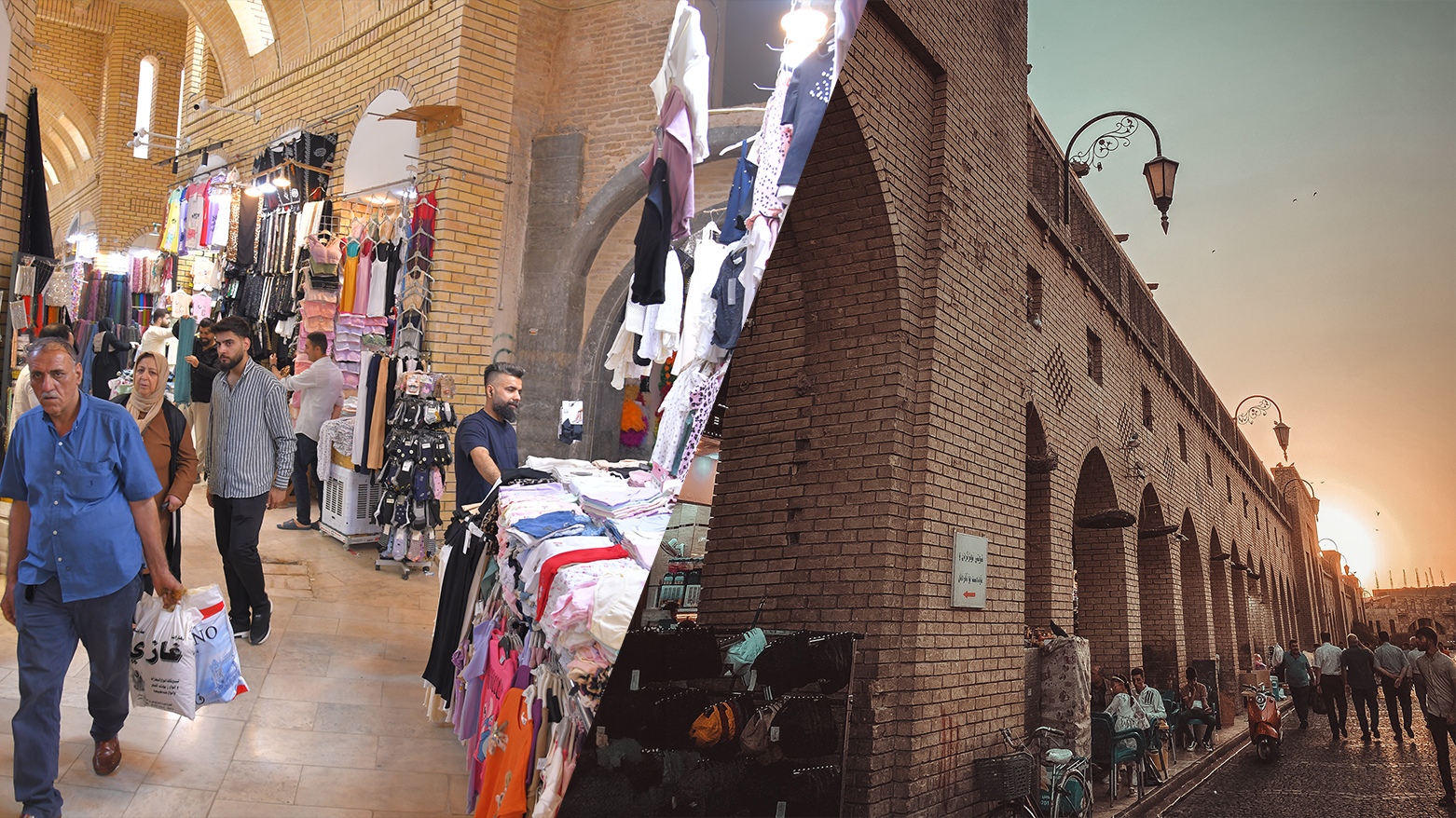
ERBIL (Kurdistan24) — The Kurdistan Regional Government's (KRG) flagship Runaki electricity project is transforming business conditions at Erbil's centuries-old Qaysari Bazaar, with merchants reporting significantly lower operating costs, cleaner surroundings, and uninterrupted 24-hour electricity that has replaced the reliance on private diesel generators.
Business owners told Kurdistan24 that the project has brought a dramatic improvement to one of the Kurdistan Region's most iconic traditional markets, easing financial burdens while enhancing the shopping experience for both local customers and international visitors.
For years, the historic bazaar was defined by the constant roar of neighborhood generators and the fumes emitted by diesel-powered electricity supplies. Today, those sounds and smells have largely disappeared as stable, around-the-clock electricity has become available through the Runaki project.
Electricity bills fall sharply
One merchant said the new electricity system has substantially reduced monthly operating expenses.
"Previously, we paid between 50,000 and 60,000 Iraqi dinars (approximately $38–46) every month just for generator electricity," the shopkeeper said. "Now, thanks to the Runaki project, our monthly electricity bill has dropped to only 10,000 to 12,000 dinars (around $8–9). That is a huge difference and has significantly reduced our financial burden."
Another trader highlighted the elimination of duplicate electricity payments.
"In the past, we had to pay two bills—one for the private generator and another for the national grid," the merchant said. "Now we receive only one bill, and the amount is very reasonable."
Beyond the financial savings, the merchant emphasized the environmental benefits.
"More importantly, we now have a clean and quiet environment for tourists. Previously, visitors couldn't stay long in the bazaar because of the smell of diesel fuel and generator smoke. Today, the atmosphere is much cleaner and far more pleasant."
Businesses benefit from reliable power
Restaurant owners and employees working inside the historic marketplace also said uninterrupted electricity has improved day-to-day operations.
One restaurant owner explained that frequent power outages and dependence on generators had previously damaged electrical equipment while generating excessive heat inside shops.
"In the past, power cuts and pressure on the generators caused our appliances to burn out quickly, and the restaurant became unbearably hot," the owner said. "Now we work comfortably with uninterrupted electricity."
Business owners say the improvements have enhanced customer satisfaction and created a more welcoming commercial environment throughout the market.
Modernizing Kurdistan's energy sector
The Runaki project forms a central pillar of the KRG's strategy to modernize the Kurdistan Region's electricity sector by providing 24-hour power, reducing dependence on private neighborhood generators, lowering pollution, and improving the quality of public services.
The initiative has gradually expanded across Erbil, Duhok, and Sulaimani provinces, with additional neighborhoods joining the network as new infrastructure comes online.
The government says the project is designed to deliver uninterrupted electricity while replacing the costly system of mixed public power and privately operated generators that has dominated Iraq's electricity sector for decades.
Beyond improving household services, the project is intended to strengthen economic activity by lowering operating costs for businesses, increasing productivity, and making commercial districts more attractive for investment and tourism.
The Qaysari Bazaar—located adjacent to the historic Erbil Citadel, a UNESCO World Heritage Site—is one of the region's busiest traditional marketplaces and a major destination for visitors seeking Kurdish handicrafts, textiles, spices, jewelry, and local cuisine.
Officials hope the cleaner, quieter environment created by the Runaki project will further enhance the market's appeal and support the continued growth of Erbil's tourism and retail sectors.
The transformation of the historic bazaar reflects the broader objectives of the KRG's infrastructure modernization efforts, demonstrating how reliable electricity can improve business competitiveness, preserve cultural landmarks, and enhance the overall visitor experience in the heart of the Kurdistan Region's capital.