Mosul Properties, Flour Mills Worth 69 Billion Dinars Seized in Iraq's Widening Corruption Crackdown
Judicial authorities ordered the seizure of commercial properties, flour mills and transport trucks allegedly linked to former Oil Ministry official Adnan al-Jumaili, building on the recovery of 375 kilograms of gold secured through coordination with the Kurdistan Region.
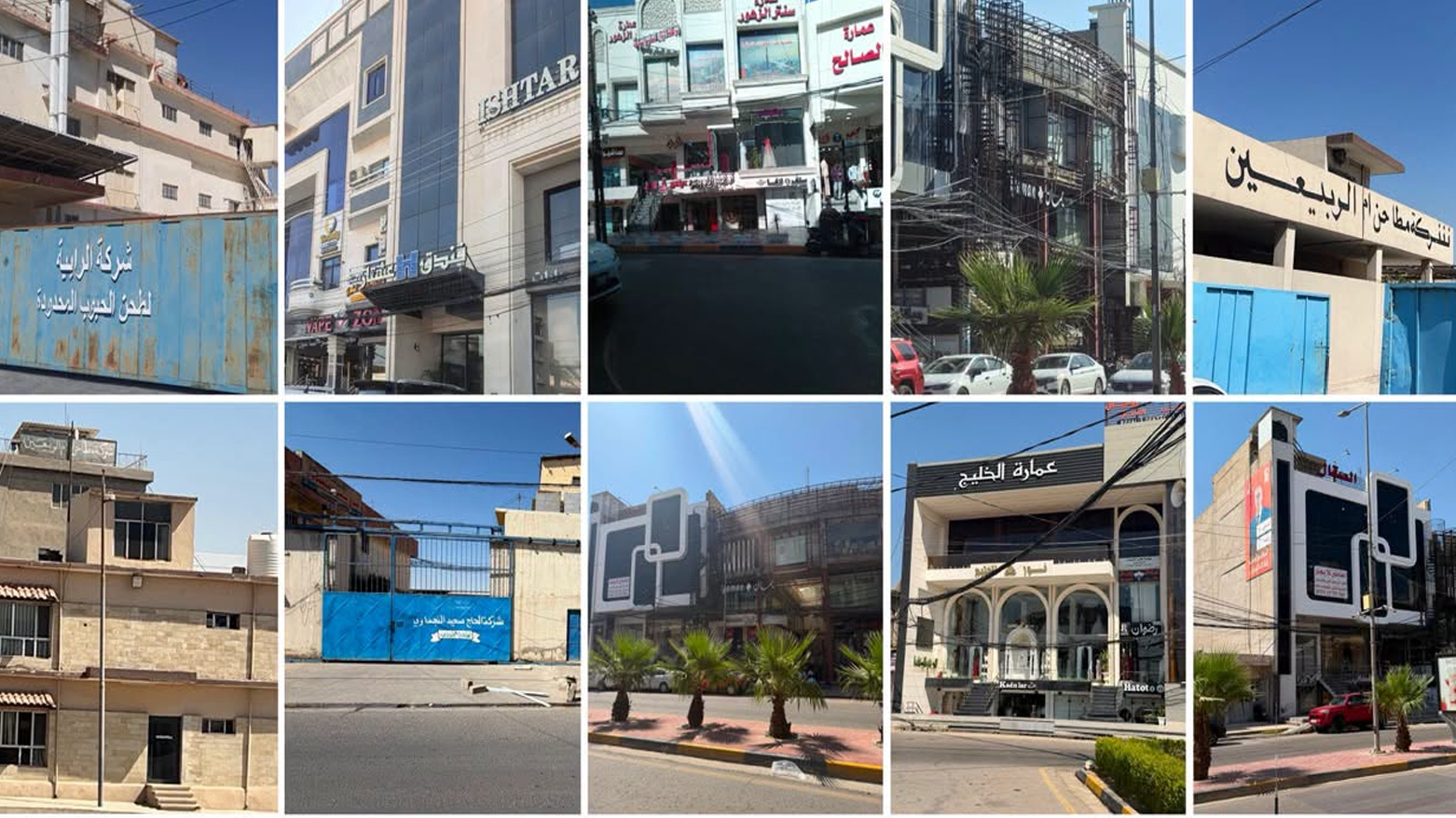
ERBIL (Kurdistan24) - Iraq's Supreme Judicial Council on Monday ordered the seizure of commercial properties, industrial facilities and transport vehicles valued at nearly 69 billion Iraqi dinars as part of its expanding investigation into former Oil Ministry Undersecretary for Refining Affairs Adnan al-Jumaili, marking another significant escalation in one of the country's largest anti-corruption cases.
The latest judicial measures come only hours after authorities announced the recovery of 375 kilograms of gold linked to the same investigation through operations conducted in coordination with the Kurdistan Region, underscoring the increasingly broad scope of Iraq's campaign to trace, freeze and recover assets allegedly obtained through financial crimes.
According to the Supreme Judicial Council, the Nineveh Investigative Court specializing in Integrity Commission cases issued a series of legal orders targeting assets allegedly connected to al-Jumaili and several co-defendants, who remain in custody on charges related to money laundering and financial corruption. The allegations remain under judicial investigation.
The court ordered the seizure of nine commercial properties and three flour mills in Mosul with a combined estimated value of approximately 69 billion Iraqi dinars. Authorities also confiscated seven newly purchased heavy transport trucks, each reportedly worth around $200,000.
Judicial officials said the commercial properties located in central Mosul are valued at roughly 45 billion dinars, while the three flour mills are estimated to be worth another 24 billion dinars.
According to the court, investigators determined that the assets had allegedly been registered under the names of employees working for the fugitives rather than under the suspects' own names, a method authorities believe was intended to conceal the origin and ownership of the properties.
Because the seized businesses remain operational and generate ongoing revenue, the court appointed judicial receivers to oversee their administration. Under the court's order, the businesses will continue operating while their proceeds are directed to the Iraqi state treasury pending the outcome of legal proceedings.
The judiciary said the measure is designed both to preserve the economic value of the assets and to prevent their deterioration while investigations continue.
Officials also stressed that efforts to locate and prosecute fugitive suspects remain active, adding that judicial authorities will continue pursuing individuals connected to the alleged network until all legal procedures have been completed and any illicit sources of enrichment are fully addressed.
The latest asset seizures build directly on another major development announced earlier Monday.
The Supreme Judicial Council revealed that authorities had recovered 375 kilograms of gold allegedly linked to the al-Jumaili investigation in an operation carried out under the supervision of Supreme Judicial Council President Judge Faiq Zidan and in coordination with the Kurdistan Region.
Read More: Kurdistan Region Helps Iraq Recover 375kg of Gold in Corruption Probe
According to investigators, 358 kilograms of gold were recovered through coordinated operations with the Kurdistan Region, while an additional 17 kilograms were seized during a related investigation, bringing Monday's total to 375 kilograms.
The recovered gold has since been transferred to the Central Bank of Iraq for safekeeping as part of the ongoing judicial process.
The cooperation between Baghdad and Erbil represents one of the most visible examples of intergovernmental coordination since Iraq intensified its nationwide anti-corruption campaign.
Judicial authorities have increasingly emphasized that cooperation across jurisdictions is essential to tracing complex financial networks, locating suspects and recovering assets that may have been transferred beyond the immediate reach of investigators.
The investigation surrounding al-Jumaili has expanded considerably since his arrest earlier this year.
According to previous announcements by the Supreme Judicial Council, investigators have already recovered approximately 127 billion Iraqi dinars, $24 million in cash, luxury vehicles, real estate holdings and substantial quantities of gold allegedly connected to the case.
The allegations remain before the courts and have not been proven through final judicial rulings.
Authorities have said information obtained during the investigation prompted prosecutors to broaden inquiries involving politicians, government officials and other individuals suspected of participating in the alleged corruption network.
Rather than focusing solely on criminal prosecutions, Iraq's anti-corruption strategy has increasingly emphasized the recovery of public assets alongside judicial accountability.
Officials argue that reclaiming state resources allegedly lost through corruption is a central objective of the campaign, complementing criminal investigations and court proceedings.
Monday's announcement illustrates that broader approach.
By freezing income-generating businesses while ensuring they remain operational under judicial supervision, authorities aim to preserve their economic value and prevent further financial losses to the state as legal proceedings continue.
The succession of major recoveries, including large cash seizures, hundreds of kilograms of gold and now commercial assets valued at nearly 69 billion dinars, signals that investigators continue to widen the financial dimension of the al-Jumaili case.
It also highlights the growing role of coordination between Iraq's federal institutions and the Kurdistan Region in pursuing complex corruption investigations that increasingly extend beyond individual arrests to encompass the tracing, preservation and recovery of assets allegedly linked to organized financial crimes.
The Supreme Judicial Council said investigations remain ongoing and that legal efforts to identify additional assets and locate remaining suspects will continue under judicial supervision.
|
Summary Iraq's judiciary has seized commercial properties, flour mills and transport trucks worth nearly 69 billion dinars in the expanding Adnan al-Jumaili corruption case. The move follows the recovery of 375 kilograms of gold through coordination with the Kurdistan Region. |