Ahmadinejad Rejects Mossad Allegations, Calls Reports 'Baseless'
Former Iranian president rejects allegations of cooperation with Israeli intelligence and denies reports that he has been placed under house arrest.
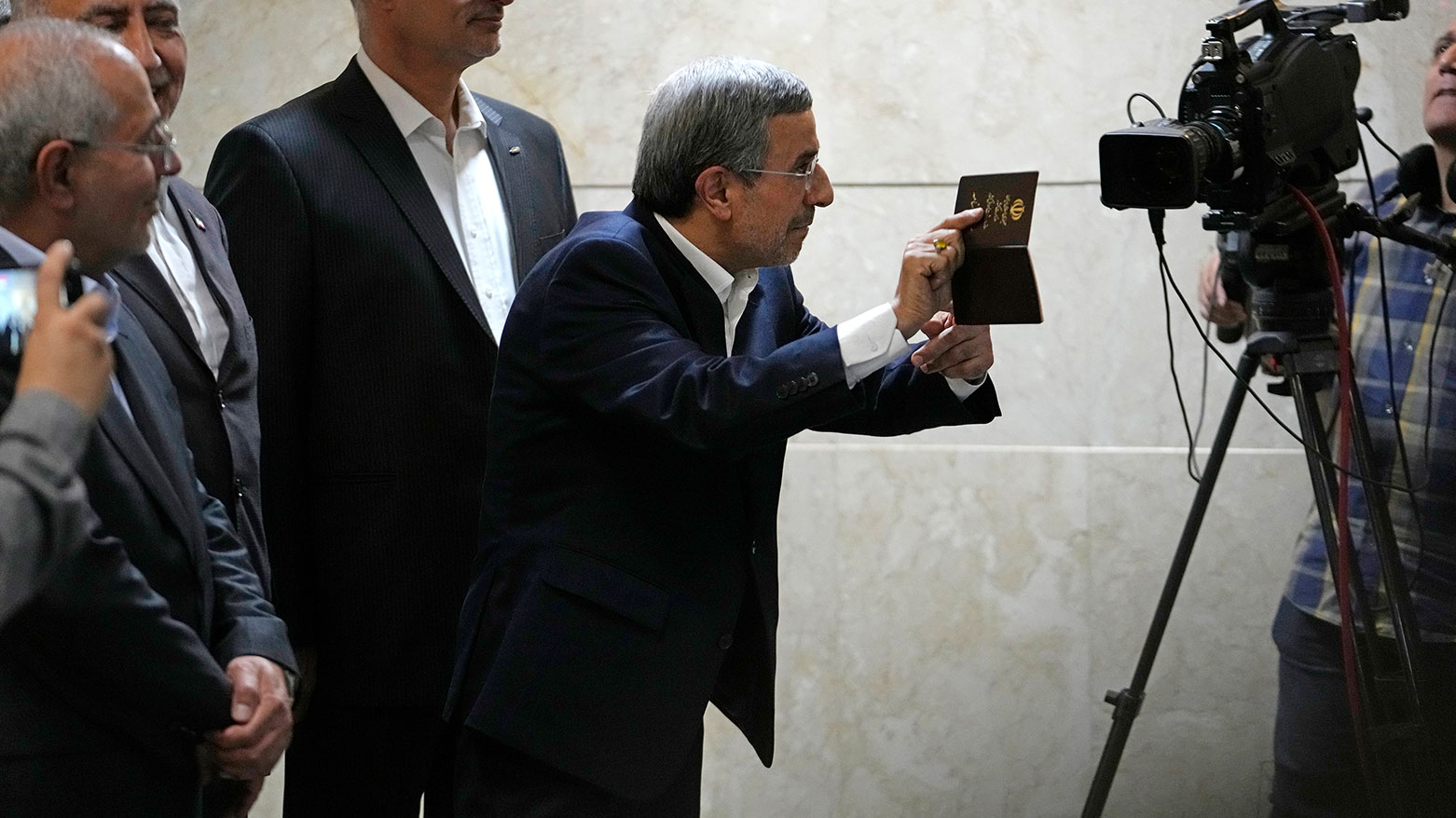
ERBIL (Kurdistan24) - Former Iranian President Mahmoud Ahmadinejad has forcefully rejected allegations that he cooperated with Israel's Mossad, dismissing reports portraying him as an intelligence asset while also denying claims that he has been placed under house arrest.
The response, issued through Ahmadinejad's office on Tuesday, directly addresses allegations that have attracted international attention following reporting by The New York Times. His office rejected the claims in their entirety, describing them as unfounded and asserting that they are intended to mislead public opinion and deepen political divisions inside Iran.
The statement also categorically denied reports suggesting the former president has been confined to his home, characterizing those assertions as without basis.
The rebuttal marks Ahmadinejad's clearest public response since allegations surrounding his alleged contacts with Israeli intelligence entered international discussion. By addressing both the espionage claims and reports regarding his personal status, his office sought to present a comprehensive denial of the narrative that has circulated in recent days.
At the center of the controversy is a report published by The New York Times, which alleged that Israeli intelligence spent several years attempting to cultivate Ahmadinejad as part of a broader intelligence effort directed at Iran.
According to the newspaper, the alleged operation involved repeated contacts outside Iran, including meetings connected to visits to Budapest. The report further alleged that Israeli officials viewed Ahmadinejad as a figure who could potentially play a future political role should Iran's leadership undergo significant change.
Those allegations remain disputed, and Ahmadinejad's office has rejected them in full.
The former president's statement did not engage each individual claim separately. Instead, it dismissed the overall account while arguing that the circulation of such reports serves political objectives by fostering confusion and internal discord.
That response places Ahmadinejad's office in direct opposition to the account presented by The New York Times, creating two sharply different narratives surrounding events that neither Israeli officials nor Ahmadinejad himself have publicly elaborated on beyond the recent denial.
The newspaper's report also alleged that the intelligence effort eventually culminated during the early stages of the recent conflict involving Iran, when Israeli operatives allegedly attempted to remove Ahmadinejad from Tehran as part of a broader plan. According to the report, the effort ultimately did not succeed.
Those claims likewise remain allegations reported by The New York Times and have been rejected by Ahmadinejad's office.

The issue gained additional prominence because the newspaper also cited unnamed officials who allegedly claimed Ahmadinejad had later been placed under house arrest after Iranian authorities uncovered aspects of the purported operation.
It is precisely that assertion that Ahmadinejad's office has now sought to refute publicly.
In rejecting reports that he is under compulsory confinement, the former president's office maintained that the claim has no factual basis. The denial follows renewed public interest in Ahmadinejad's whereabouts after his recent appearance at the funeral of Iran's late Supreme Leader Ali Khamenei, his first widely reported public appearance since the conflict began earlier this year.
The contrast between the public appearance and subsequent reports regarding his status contributed to wider discussion surrounding the allegations, prompting the formal response issued Tuesday.
The controversy also draws attention because of Ahmadinejad's distinctive place in Iran's modern political history.
Serving as president between 2005 and 2013, he became internationally known for his hardline positions during a period marked by disputes over Iran's nuclear program and heightened tensions with Israel and Western governments.
Against that backdrop, allegations that Israeli intelligence would later attempt to establish contact with him represent a dramatic departure from the political image associated with his presidency. That contrast has helped explain why the claims reported by The New York Times attracted considerable international attention, even as they remain contested.
The newspaper portrayed the alleged contacts as part of a wider intelligence strategy rather than isolated meetings. It alleged that Israeli intelligence considered Ahmadinejad a potential future political figure and reported that interactions allegedly occurred during overseas travel connected to Hungary, including visits associated with Budapest.
According to the report, those contacts formed part of a longer effort that extended over several years before culminating in the alleged extraction attempt during the opening phase of the conflict.
None of those allegations have been independently confirmed in the material available, and Ahmadinejad's office has categorically rejected the overall account.

The competing narratives underscore the challenges of reporting on intelligence-related claims, which often rely on anonymous sources and involve assertions that are difficult to verify publicly.
In this case, Ahmadinejad's office has adopted an unequivocal position, rejecting both the espionage allegations and the reports concerning his personal circumstances while portraying the claims as politically motivated attempts to influence public perception.
For now, the public dispute centers not on new evidence but on sharply opposing accounts.
On one side is The New York Times' reporting, which attributes a series of allegations to unnamed American and Iranian officials regarding an alleged Israeli intelligence effort involving Ahmadinejad. On the other is the former president's office, which rejects every aspect of that account and insists that reports describing him as a Mossad asset or claiming he has been placed under house arrest are entirely false.
As regional tensions continue to shape political discourse, Ahmadinejad's response has become a significant development in its own right, reflecting how disputed intelligence claims can quickly evolve into broader public and political controversies. Whether additional information emerges remains uncertain, but the former president's position is now clear: his office rejects the allegations in full and denies that he is under any form of house arrest.
|
Summary Former Iranian President Mahmoud Ahmadinejad has rejected allegations that he cooperated with Israel's Mossad and denied reports of house arrest, responding to claims reported by The New York Times, which alleged a yearslong Israeli intelligence effort that his office categorically disputes. |