Iraq Seeks to Shift U.S. Ties Toward Economy, Says FM
He said U.S. oil companies, drawing on their long-standing experience in Iraq, are returning to invest in the country's oil sector. The Iraqi government hopes to expand that cooperation beyond oil to include natural gas development and the petrochemical industry, he added.
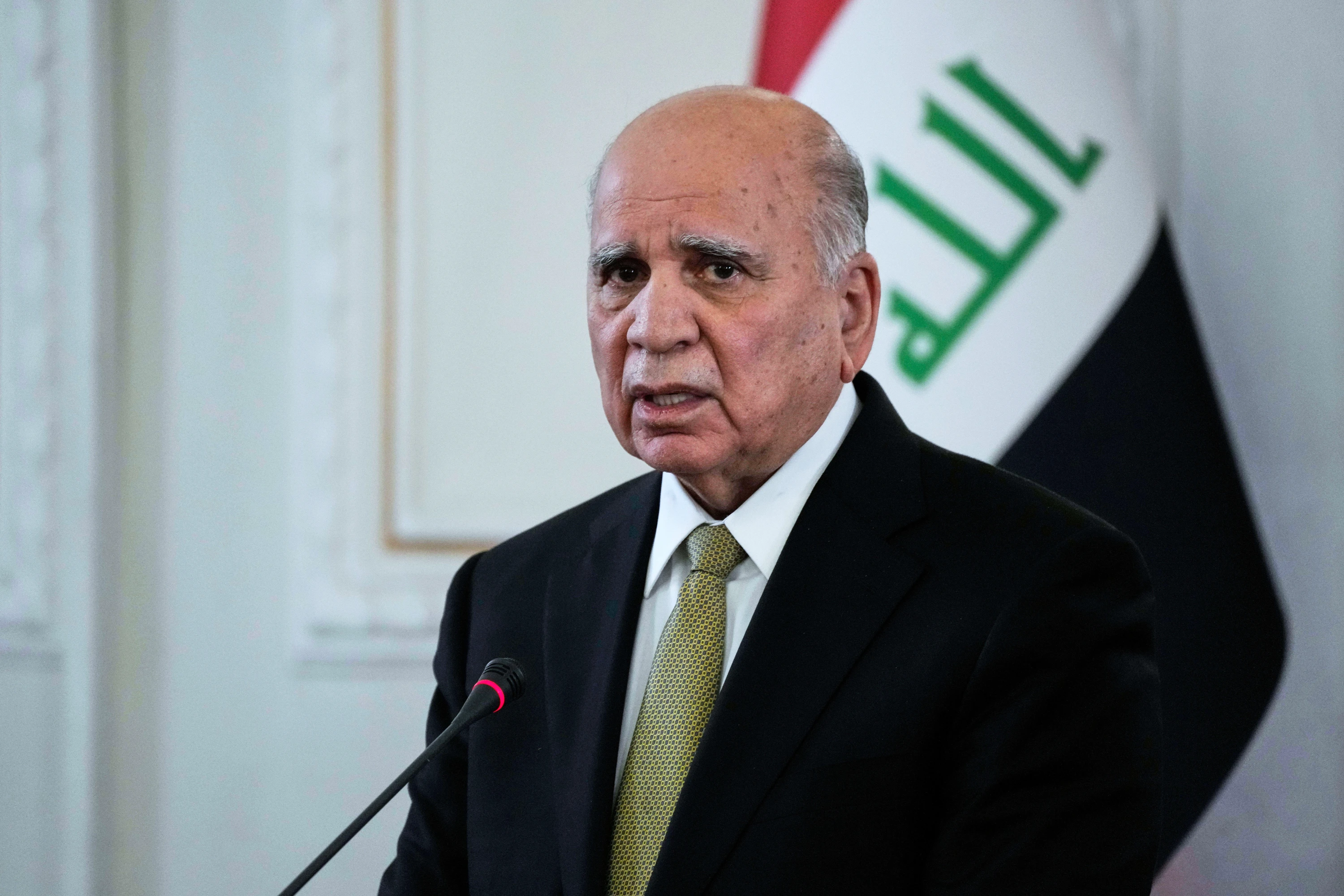
ERBIL (Kurdistan24) — Iraqi Foreign Minister Fuad Hussein said Baghdad is working to transform its relationship with the United States from one focused primarily on military and security cooperation into a stronger partnership centered on economic development, investment, and energy.
Speaking in Washington during an interview with Alsumaria TV on Thursday, Hussein said the main objective of his visit was to discuss economic cooperation between the two countries.
He said U.S. oil companies, drawing on their long-standing experience in Iraq, are returning to invest in the country's oil sector. The Iraqi government hopes to expand that cooperation beyond oil to include natural gas development and the petrochemical industry, he added.
Hussein said Iraq's strategic geographical location could enable it to serve as an important regional hub for dialogue and cooperation, arguing that stronger economic partnerships would contribute to broader regional stability.
On regional developments, the foreign minister acknowledged that Iraq has been affected by the ongoing conflict across the Middle East, as have its neighboring countries. However, he said Baghdad is well-positioned to help bridge differences between rival parties and expressed hope that continued talks between the United States and Iran would help ease regional tensions.
Addressing Iraq's domestic security, Hussein said Prime Minister Ali al-Zaidi has reaffirmed the government's commitment to ensuring that all weapons remain under the authority of the state and within the framework of the Iraqi constitution.
He revealed that some armed groups have already begun handing over their weapons, with the process expected to be completed in the coming months.
According to Hussein, the government's plan includes separating certain armed groups from the official security forces, overseeing the surrender of their weapons, and transitioning them into political organizations operating within Iraq's legal framework. He noted that several of these groups already participate in parliament and the country's political process.
Hussein added that Prime Minister al-Zaidi continues to hold discussions with representatives of the armed groups as part of efforts to fully resolve the issue of weapons outside state control in the months ahead.
The remarks come days after U.S. President Donald Trump hosted Prime Minister al-Zaidi at the White House for their first official meeting. The talks highlighted Washington's support for Iraq's new leadership while placing renewed emphasis on strengthening bilateral cooperation and addressing the influence of Iran-backed armed groups in Iraq.