Houthi Leader Threatens Saudi Oil Facilities as Yemen Tensions Escalate
Abdul Malik al-Houthi warns Saudi oil facilities, airports and ports could become targets as military exchanges revive tensions following the strike on Sanaa International Airport.
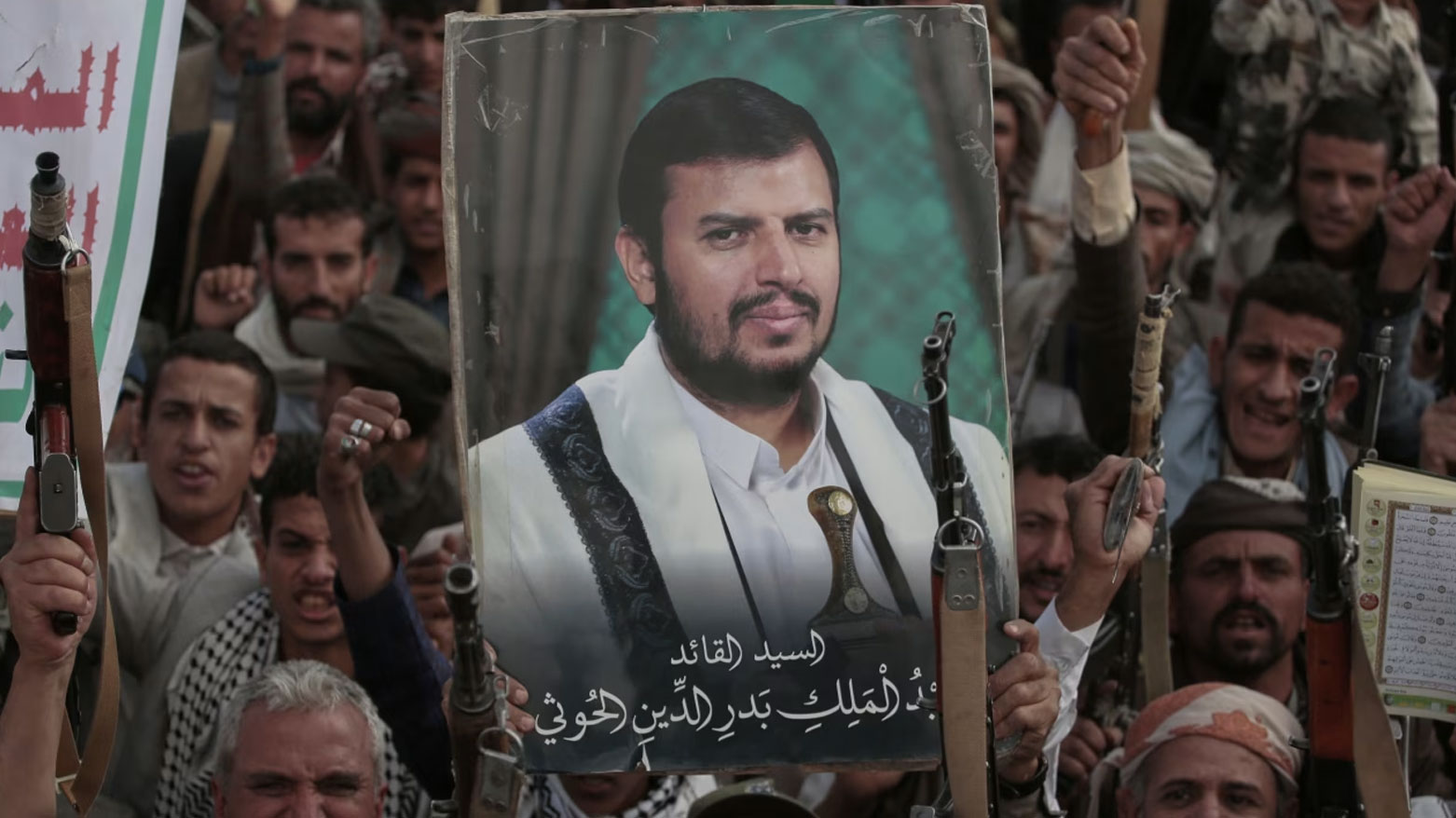
ERBIL (Kurdistan24) - A new warning from Yemen's Houthi leadership has sharply intensified regional tensions, with the group's chief, Abdul Malik al-Houthi, declaring that Saudi Arabia's oil facilities and other strategic infrastructure could become military targets if hostilities between the two sides continue to escalate.
The remarks, delivered during a televised address on Thursday, marked one of the clearest indications yet that the Iran-aligned movement is prepared to broaden its list of potential targets beyond recent missile exchanges, placing energy infrastructure, airports and ports at the center of its deterrence strategy.
The statements come at a sensitive moment for Gulf security, where the protection of critical energy assets remains closely tied to regional economic stability and international energy markets.
Al-Houthi framed the latest confrontation as part of a wider regional conflict, accusing Saudi Arabia of aligning with the United States, Israel and the United Kingdom against Yemen while also criticizing what he described as Arab governments' failure to support the Palestinian cause.
He further alleged that Riyadh had abandoned principles of good neighborly relations by participating in military action against Yemen.
The Houthi leader coupled those accusations with explicit military warnings, saying Saudi oil facilities and other vital installations would be considered legitimate targets should Riyadh move toward what he described as a broader military campaign against Yemen.
He also warned that any further attacks on Sanaa's airport could be met with reciprocal strikes against Saudi aviation infrastructure.
According to Agence France-Presse (AFP), al-Houthi expanded that warning by declaring that future escalation would be met with a policy of reciprocal targeting, extending not only to airports but also to ports and other strategic facilities.
The comments underscore a significant hardening of rhetoric after several years in which direct military confrontation between the two sides had largely remained below the levels seen before the 2022 truce.
The latest threats follow a renewed exchange of military action that has disrupted a period of relative restraint in the long-running Yemen conflict.
Earlier this week, the Houthis accused Saudi Arabia of carrying out a strike on Sanaa International Airport, an incident that reignited tensions after months of comparatively lower levels of cross-border violence.
The Houthis subsequently announced retaliatory missile attacks aimed at southern Saudi Arabia, presenting those strikes as a direct response to the airport incident.
The exchange represented one of the most serious military confrontations between the two adversaries since the ceasefire arrangements introduced in 2022 began reducing large-scale hostilities.
AFP reported that the renewed missile exchanges have revived concerns that the conflict could again threaten key infrastructure across the Gulf.
The Saudi-backed Yemeni government, headquartered in Aden, offered a different explanation for the airport strike.
It said the operation was intended to prevent an Iranian aircraft from landing in Sanaa, reflecting an ongoing dispute over flights between Iran and Houthi-controlled territory.
For years, aircraft entering Yemeni airspace have generally required prior authorization under procedures overseen by the Saudi-led coalition supporting Yemen's internationally recognized government.
According to AFP, recent direct flights organized between Iran and Sanaa have become an additional source of friction, with Yemeni authorities and their regional backers viewing them as a challenge to those long-established controls.
The military exchanges have continued beyond the airport incident.
On Tuesday, the Houthis said they had downed a Saudi-operated reconnaissance drone, another indication that both sides remain engaged in an increasingly volatile confrontation.
Beyond the immediate battlefield, the latest rhetoric has renewed attention on the vulnerability of energy infrastructure in the Gulf.
Saudi Arabia's oil facilities have previously been targeted during earlier phases of the Yemen conflict, making fresh threats against such installations particularly significant for regional security planners and international energy markets.
Although no new attacks against Saudi energy infrastructure were announced on Thursday, al-Houthi's speech suggested that future military action could increasingly focus on economically strategic assets if hostilities continue to intensify.
His remarks illustrate how rapidly the confrontation has evolved from a dispute surrounding Sanaa International Airport into a broader warning encompassing the Kingdom's critical infrastructure, raising fresh concerns about stability in one of the world's most strategically important energy-producing regions.
|
Summary Houthi leader Abdul Malik al-Houthi warned Saudi Arabia that oil facilities, airports, ports and other key infrastructure could become targets if fighting escalates, following renewed military exchanges after the strike on Sanaa airport and rising regional tensions. |