CBI-U.S. Treasury Understanding Signals New Phase in Iraq's Financial Modernization
Iraqi PM Ali al-Zaidi says the CBI-U.S. Treasury understanding advances banking reform, strengthens investor confidence and supports Iraq's global financial integration.
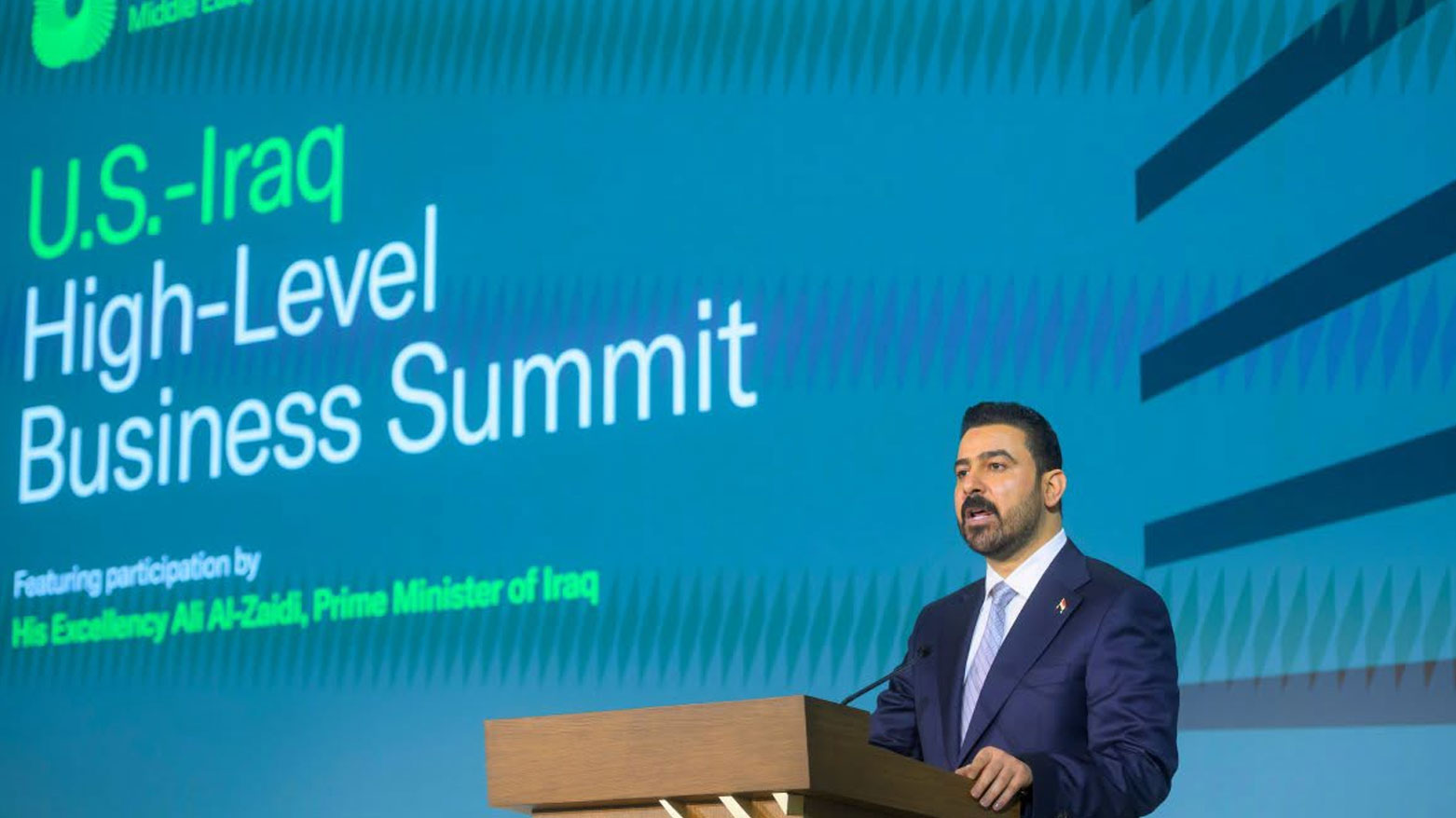
ERBIL (Kurdistan24) - Iraqi Prime Minister Ali al-Zaidi has described the latest understanding between the Central Bank of Iraq (CBI) and the U.S. Department of the Treasury as a pivotal development in the country's financial reform agenda, presenting it as evidence that years of efforts to modernize Iraq's banking system are beginning to produce tangible international recognition.
In a statement posted on X on Saturday, al-Zaidi said the decision to restore seven Iraqi banks' access to external correspondent banking channels in currencies other than the U.S. dollar demonstrates the effectiveness of the government's reform strategy.
He noted that eligibility to resume U.S. dollar transactions will depend on each institution meeting required standards for compliance, governance and regulatory oversight.
The announcement represents more than a technical adjustment within Iraq's banking sector.
It reflects Baghdad's broader ambition to establish financial institutions capable of supporting international commerce, facilitating cross-border investment and strengthening confidence among global partners.
As Iraq seeks to diversify its economy and attract long-term capital, officials increasingly view a modern and transparent banking system as an essential foundation for sustained economic growth.
Al-Zaidi argued that reconnecting Iraqi banks with international correspondent banking networks will expand opportunities for the national economy while improving the country's appeal to foreign investors.
According to the prime minister, stronger financial institutions are central to Iraq's effort to deepen its integration into the global financial system after years of reform aimed at improving oversight and institutional credibility.
The prime minister also reaffirmed his government's commitment to continuing banking and financial reforms built around transparency, governance and regulatory compliance.
He presented those principles not simply as administrative objectives but as key components of a wider strategy intended to strengthen Iraq's economic standing both regionally and internationally.
For Iraqi policymakers, restoring confidence in the banking sector has become an important prerequisite for broader economic transformation.
International investors often assess the reliability of domestic financial institutions alongside infrastructure, legal protections and market opportunities when evaluating investment destinations.
Expanding correspondent banking relationships is therefore viewed as a practical step toward facilitating international transactions and supporting greater participation in global markets.
The latest financial development comes as al-Zaidi concludes a high-profile visit to Washington focused largely on expanding economic cooperation between Iraq and the United States.
Earlier on Saturday, the Prime Minister's Office announced the signing of 48 agreements and memoranda of understanding between Iraqi and American public and private institutions.
According to official government statements, the package establishes a broad framework for cooperation extending well beyond traditional security ties into investment, finance, technology, energy, education, agriculture, telecommunications and industrial development.
Taken together, the agreements illustrate Baghdad's effort to redefine its relationship with Washington through long-term economic partnerships designed to support modernization and private-sector growth.
While individual agreements span a wide range of sectors, they collectively reinforce the government's objective of creating conditions that encourage sustained international investment.
Within that broader strategy, financial reform serves as a connecting element linking multiple development priorities.
Expanding infrastructure projects, attracting multinational companies and supporting industrial diversification all depend on banking institutions capable of conducting secure international transactions and operating under globally recognized compliance standards.
Government officials have repeatedly argued that Iraq's next phase of economic development requires more than increased investment commitments.
It also demands institutions that inspire confidence among international partners and provide businesses with efficient access to global financial markets.
During his Washington visit, al-Zaidi emphasized Iraq's intention to pursue long-term partnerships that bring advanced expertise, technology and capital across multiple sectors rather than relying solely on short-term commercial arrangements.
The banking reforms highlighted this week complement that broader vision by addressing one of the institutional foundations necessary for sustainable economic expansion.
The government's wider modernization agenda includes strengthening infrastructure, expanding energy production, supporting digital connectivity and encouraging greater private-sector participation throughout the economy.
Officials view improvements in financial governance as reinforcing each of those objectives by reducing barriers to investment and enhancing Iraq's credibility within international financial networks.
The latest understanding between the CBI and the U.S. Treasury therefore carries significance beyond the banking sector itself.
By linking regulatory reform with broader economic policy, Iraqi officials are presenting financial modernization as an essential component of the country's long-term development strategy.
As Baghdad continues to pursue deeper economic partnerships with international stakeholders, the government maintains that stronger governance, greater transparency and internationally connected financial institutions will remain central to its efforts to position Iraq as a more competitive destination for global investment while supporting sustainable economic growth.
|
Summary Iraqi Prime Minister Ali al-Zaidi says the latest understanding between the Central Bank of Iraq and the U.S. Treasury marks a major step in banking reform, helping reconnect Iraqi banks with global financial networks while supporting investment, transparency and broader economic modernization. |