CENTCOM Concludes Ninth Consecutive Night of Strikes on Iran
U.S. says campaign targeted Iranian military infrastructure to curb threats to shipping in the Strait of Hormuz as regional tensions remain high
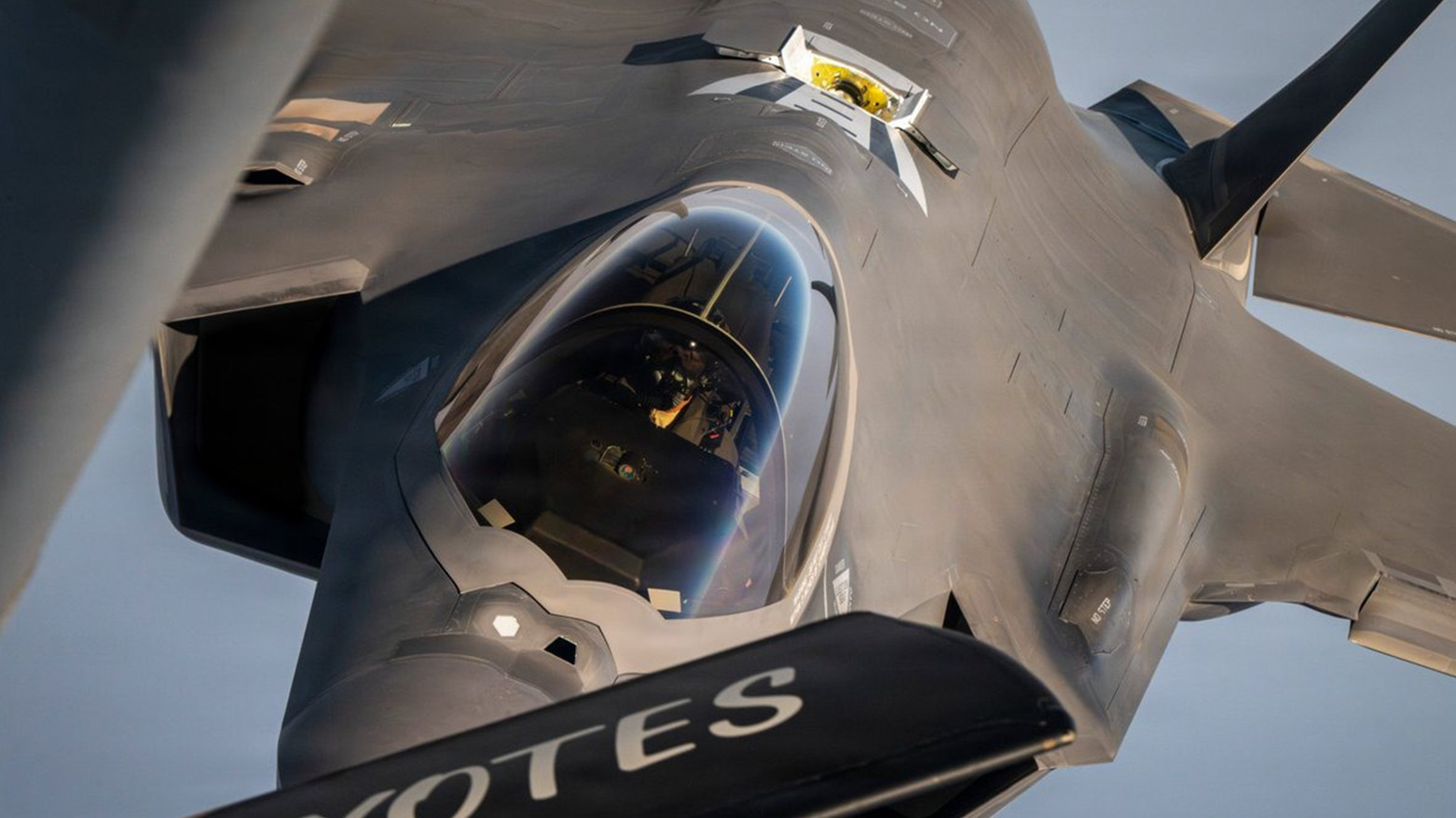
ERBIL (Kurdistan24) — U.S. Central Command (CENTCOM) announced on Sunday that it had concluded a ninth consecutive night of military strikes against Iranian targets, saying the operations were aimed at degrading Tehran's military capabilities and reducing threats to international shipping in the Strait of Hormuz.
The campaign ended at 10 p.m. Eastern Time on July 19, marking the latest phase of sustained U.S. military operations against Iran amid escalating regional tensions and an expanding conflict between Washington and Tehran.
According to CENTCOM, U.S. forces struck a range of Iranian military assets, including command and control centers, air defense systems, coastal surveillance facilities, maritime capabilities, missile and drone launch sites, and communications networks.
The command said the strikes were intended to further reduce Iran's ability to target commercial vessels and civilian mariners transiting the Strait of Hormuz, one of the world's most strategically important maritime chokepoints through which roughly one-fifth of global oil shipments pass.
"The U.S. military is holding Iran accountable at the Commander in Chief's direction," CENTCOM said in a statement, adding that its forces remain "highly vigilant, focused, lethal, and ready."
The announcement comes as the United States continues an intensified military campaign against Iranian military infrastructure following weeks of hostilities that have expanded across the Middle East.
U.S. officials have argued that the operations are designed to weaken Iran's offensive capabilities and protect freedom of navigation in regional waterways.
The Strait of Hormuz has remained a focal point of the conflict, with repeated concerns over attacks on commercial shipping, maritime security, and the safety of international energy supplies.
Washington has accused Iran and its affiliated forces of threatening civilian shipping and destabilizing one of the world's busiest maritime corridors, allegations Tehran has repeatedly denied.
The latest strikes also follow a series of Iranian missile and drone attacks targeting U.S. military facilities and allied interests across the Gulf, prompting successive rounds of American retaliation.
The conflict has heightened fears of a broader regional war, with neighboring countries increasing security measures while international leaders continue to call for restraint and renewed diplomatic efforts.
Despite the continued military operations, U.S. officials have maintained that American forces remain prepared to respond to any further threats against U.S. personnel, allies, or international commerce, underscoring Washington's commitment to maintaining maritime security and deterring additional Iranian attacks.