Pakistan Urges Restraint, Offers Mediation During Iranian Minister's Visit
Sharif called on "all sides to exercise restraint and refrain from actions that could further destabilize the region." He also reaffirmed Pakistan's commitment to acting as a neutral mediator in efforts to reduce tensions.
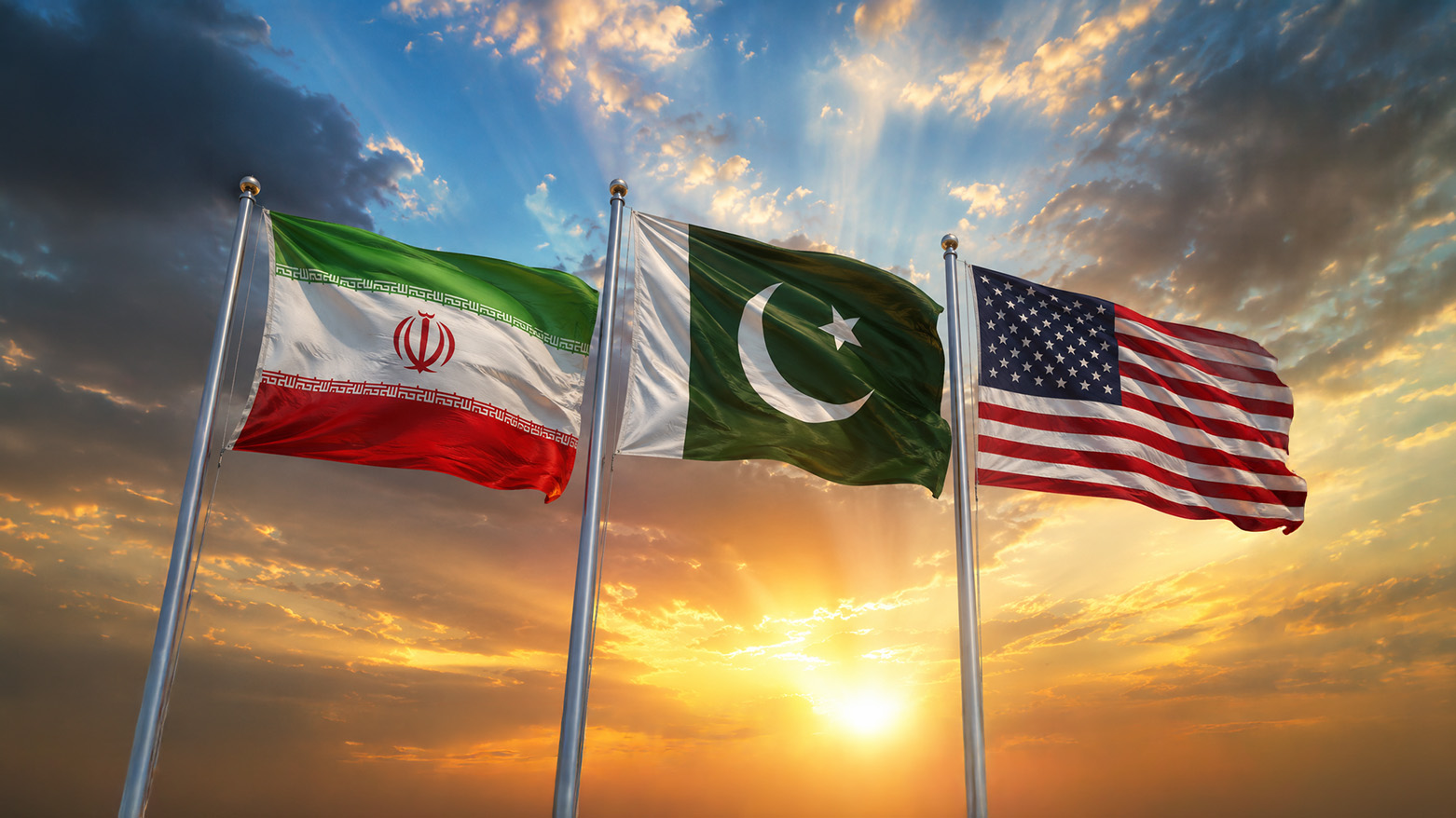
ERBIL (Kurdistan24) — Pakistan's Prime Minister Shehbaz Sharif on Tuesday urged all parties involved in the ongoing conflict between the United States and Iran to exercise restraint, as he hosted Iranian Interior Minister Eskandar Momeni during a high-level visit to Islamabad focused on regional security and de-escalation efforts.
According to a statement from the Prime Minister's Office, Sharif called on "all sides to exercise restraint and refrain from actions that could further destabilize the region." He also reaffirmed Pakistan's commitment to acting as a neutral mediator in efforts to reduce tensions.
Momeni arrived in Islamabad on Monday for a two-day official visit amid escalating military hostilities between Washington and Tehran.
During the visit, the Iranian minister met with Prime Minister Sharif, who expressed deep concern over growing regional instability and reiterated Pakistan's willingness to facilitate dialogue between the opposing sides.
Momeni also held closed-door talks with Pakistan's Chief of Army Staff, Field Marshal Syed Asim Munir, as part of broader security consultations.
At the invitation of Pakistan's Interior Minister Mohsin Naqvi, the two sides discussed border security, intelligence sharing, and counterterrorism cooperation during meetings at the Interior Ministry.
In addition to official talks, Momeni attended a ceremonial police parade at Police Lines in Islamabad and laid a wreath at the Pakistan Monument in honor of the country's fallen security personnel.
A key objective of the visit is to assess a proposed joint de-escalation framework backed by Pakistan and Qatar. Islamabad is seeking to revive the Islamabad Memorandum of Understanding (MoU), an interim ceasefire agreement it previously helped broker between the United States and Iran that has since collapsed.
Diplomatic sources have indicated that the visit could also help pave the way for a new round of indirect U.S.-Iran negotiations, potentially to be hosted in Islamabad in the coming weeks.
Pakistan has repeatedly called for diplomacy and dialogue as fighting between the United States and Iran continues to threaten broader regional stability.